How to Prune Red flowering gum?
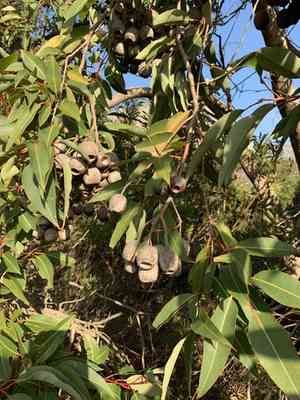
A lively Australian indigenous species, the red flowering gum is admired for its striking crimson blossoms and abundant leaves. Essential trimming methods involve excising dead or ailing wood, reducing dense branches to enhance air movement, and sculpting for visual appeal or structural integrity. Red flowering gum ought to be pruned during its winter dormancy to encourage vigorous spring development. Pruning not only sustains health and vitality but also fosters a more abundant blooming period. It is crucial to execute precise cuts and refrain from excessive trimming.
What Are the Benefits of Pruning Red Flowering Gum?
What Are the Benefits of Pruning Red Flowering Gum?
Trimming red flowering gum promotes more robust development by eliminating dead or congested branches, enhancing air movement and light exposure. Regular shaping maintains its visual appeal and controls its size within a desired area.
What Is the Best Time for Pruning Red Flowering Gum?
What Is the Best Time for Pruning Red Flowering Gum?
Pruning red flowering gum in late winter to early spring is advantageous as it coincides with the conclusion of the plant's dormant phase. This timing allows gardeners to sculpt the plant and remove any dead or damaged wood before new growth emerges. Pruning during this period helps ensure the plant's energy is directed towards producing strong, new growth in the spring. Furthermore, since red flowering gum typically flowers in the summer, pruning in late winter to early spring facilitates the formation of buds that will lead to blooms in the same year. It is also a time when the likelihood of disease transmission through pruning cuts is reduced, as many pathogens are less active.
What Tools Do I Need to Prune Red Flowering Gum?
Hand Pruners
Suitable for trimming small branches and shaping red flowering gum, ensuring precise cuts to maintain plant vitality.
Loppers
Ideal for reaching and cutting through thicker branches of red flowering gum that hand pruners cannot manage, offering leverage and accuracy.
Pruning Saw
Essential for removing larger limbs from mature red flowering gum specimens, allowing for controlled cuts without harming the tree.
Pole Pruner
Useful for trimming higher branches of red flowering gum safely from the ground, eliminating the need for a ladder.
Gloves
Protects hands from sap and rough bark while pruning red flowering gum, ensuring safety during the task.
Safety Glasses
Shields eyes from debris and dust when trimming red flowering gum, an essential safety measure.
How to Prune Red Flowering Gum
Clean Tools
Before starting, sterilize your pruning tools with a bleach and water solution to prevent the spread of diseases while pruning red flowering gum.
Inspect
Thoroughly examine red flowering gum for dead or diseased branches. Look for indicators such as discoloration, brittle wood, or any visible damage on the branches.
Cut Dead Branches
Using sharp and clean pruning shears, cut dead branches at their junction with a larger branch or trunk. Make clean cuts and avoid tearing the bark, which can harm red flowering gum.
Remove Diseased Branches
Carefully remove any diseased branches of red flowering gum by cutting them back to healthy wood. It's crucial to cut into the healthy part to ensure all diseased tissue is eliminated.
Disinfect
After each cut on a diseased branch, re-sanitize your tools to prevent spreading the disease to healthy parts of red flowering gum. Continue until all affected branches are removed.
Common Pruning Mistakes with Red Flowering Gum
Excessive Pruning
Cutting back red flowering gum too much at once can stress the plant, leading to poor health and reduced flowering. It's crucial to limit pruning to no more than 25-30% of the foliage at any given time.
Incorrect Cut Location
Making cuts either too close to the main stem or too far from a bud can lead to diseases. Pruning should be done just above a lateral branch or bud to encourage healthy regrowth.
Tearing Bark
Ripping or tearing the bark when cutting can expose red flowering gum to pests and diseases. Clean, sharp cuts are necessary to promote fast and healthy healing.
Using Blunt Tools
Pruning with dull tools can damage branches, resulting in uneven or jagged cuts that make red flowering gum susceptible to disease.
Pruning Healthy Wood
Removing healthy wood instead of focusing on dead, diseased, or crossing branches can negatively affect red flowering gum's growth and appearance.
Ignoring Shape
Failing to consider the natural shape of red flowering gum during pruning can lead to an unbalanced, aesthetically displeasing form and may affect the plant's overall health.
Common Pruning Tips for Red Flowering Gum
Sharp Tools
Always use clean, sharp pruning tools to make clean cuts that heal quickly, reducing the risk of disease for red flowering gum.
Selective Pruning
Focus on removing dead, diseased, or crossing branches to improve air circulation and light penetration, which encourages healthy growth and flowering in red flowering gum.
Pruning Angle
Make cuts at a 45-degree angle above buds or branching points to prevent water from collecting on the cut surface, reducing the risk of rot or disease.
Consider Growth
Understand that red flowering gum blooms on the current season's wood, so selective pruning can help direct energy to flower production rather than excessive vegetative growth.
Cleaning Up
Keep the base of red flowering gum clean by removing any fallen leaves or pruned branches to prevent the spread of diseases and pests.
Thinning
Thin out dense areas of foliage to improve sunlight penetration and air circulation, which is vital for the health and bloom performance of red flowering gum.
Gradual Renewal
Over several seasons, gradually remove older branches to promote new growth from the base, ensuring a continuous display of flowers and healthy, rejuvenated growth in red flowering gum.



