How to Prune Smoketree?
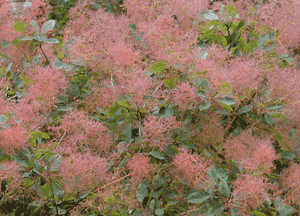
Recognized for its abundant, smoke-like floral displays, the smoketree thrives with judicious trimming to preserve its structure and stimulate blossoming. Essential methods involve reducing older limbs and eliminating faded flower heads. The most effective time for pruning is from late spring to early summer, allowing for recovery prior to the colder months. Pruning fosters a dense shape and can intensify leaf coloration. Refrain from over-pruning to avoid diminishing its distinctive flowers.
What Are the Benefits of Pruning Smoketree?
What Are the Benefits of Pruning Smoketree?
Trimming smoketree promotes stronger, more vibrant flower production. It also helps prevent pest and disease invasion, fostering a more robust specimen.
What Is the Best Time for Pruning Smoketree?
What Is the Best Time for Pruning Smoketree?
Late spring and early summer are considered ideal for pruning smoketree because at this time, the plant has finished its spring growth surge, allowing gardeners to shape it without hindering new development. Pruning after the initial growth flush enables a more predictable outcome in form and size. Furthermore, during these seasons, smoketree has not yet entered its full blooming phase, which typically occurs in mid to late summer. By pruning before flowering, gardeners avoid removing the buds that will produce the desired smoke-like feathery blooms. Additionally, the weather conditions during late spring to early summer are favorable for healing pruning wounds before the extremes of summer heat or winter cold, thereby minimizing stress and reducing the risk of disease or pest infestation.
What Tools Do I Need to Prune Smoketree?
Hand Pruners
Perfect for cutting smaller, thinner branches of smoketree, typically up to ¾ inches in diameter. Useful for detailed shaping and removing spent flowers.
Loppers
More suitable for branches between ¾ inches and 1.5 inches in diameter. The long handles provide greater leverage for cutting through thicker growth.
Pruning Saws
Essential for branches over 1.5 inches thick where hand pruners and loppers may not be sufficient. Helps to make clean cuts without harming the plant.
Shears
Helpful for shaping and thinning the foliage of smoketree, especially for creating a desired aesthetic look or ensuring good air circulation within the plant.
Gloves
To protect the gardener's hands from scratches and sap, which might be irritating or allergenic while pruning smoketree.
Pruning Sealant
While not always advised, some gardeners use it to protect larger cuts on smoketree from disease and pests; however, the plant often recovers better without it.
How to Prune Smoketree
Step1: Initial Examination of Dead and Diseased Wood
Start by inspecting smoketree for any old, dead, and diseased wood in late winter or early spring before new growth begins. This timing helps prevent the sap bleed that can occur in this species if pruned too late.
Step2: Sanitize Pruning Tools to Prevent Disease
Disinfect your pruning tools using a solution of 1 part bleach to 9 parts water to prevent disease spread. Rinse and dry the tools before making cuts.
Step3: Immediate Removal of Diseased Wood
Remove any diseased wood immediately upon detection, regardless of the season, to prevent the spread of disease throughout smoketree. Cut the diseased branches back to healthy wood, ideally several inches into the healthy portion.
Step4: Dead Wood Identification and Removal
Identify and remove dead wood, which will lack leaves or buds and may have a different color or texture than healthy branches. Make cuts at a 45-degree angle, just above a bud or branching point to encourage proper healing and new growth.
Step5: Rejuvenation by Pruning Old Wood
Prune old wood to revitalize smoketree, especially if the plant is overgrown or has reduced flowering. Identify older branches that are not producing vigorous growth or new shoots. Cut these branches back to a healthy outward-facing bud or to the base if necessary.
Step6: Thinning for Air Circulation and Light Penetration
Thin out the center of smoketree by removing some of the older, thicker branches to improve air circulation and light penetration, which helps in reducing the risk of fungal diseases. Ensure not to remove more than one-third of the total branches to maintain the health of smoketree.
Step7: Shaping the Plant for Desired Form
Shape smoketree by pruning to maintain or create the desired form, keeping in mind its natural growth habit. Aim for a balanced, open form that allows light into the center of the plant.
Step8: Sealing Large Cuts with Wound Dressing
Seal all larger cuts with a tree wound dressing to protect smoketree from disease and pest infestation.
Step9: Cleanup of Debris Post Pruning
After pruning, clear all debris from around the base of smoketree to discourage pests and diseases from taking hold.
Step10: Post-Pruning Watering for Recovery
Water smoketree thoroughly after pruning to help the plant recover and settle any disturbed soil around the roots.
Post-Pruning Care for Smoketree
Post-Pruning Care for Smoketree
Following pruning, smoketree requires immediate watering to aid recovery. Position smoketree for optimal light exposure without subjecting it to harsh direct sunlight. Maintain moderate humidity and stable temperatures, avoiding extreme fluctuations. Apply a balanced, slow-release fertilizer to nourish smoketree and encourage new growth. Monitor smoketree for wilting, discoloration, or signs of infection, such as unusual spotting. If symptoms arise, inspect for pests or diseases and take appropriate measures with targeted treatments.
Common Pruning Mistakes with Smoketree
Avoid Over-pruning to Prevent Shock and Stunted Growth
Pruning too severely can shock smoketree and hinder its development. Removing too much foliage or cutting back too aggressively can harm the plant's health.
Use Clean, Sharp Tools for Healthy Cuts
Using dull or dirty pruning tools can lead to rough cuts and increase the risk of disease. Clean, sharp tools are essential for making smooth cuts that heal quickly.
Don't Cut Old Wood That Limits Smoke-Like Plumes
Cutting into the old wood that doesn't produce new shoots easily can limit the plant's ability to produce the characteristic smoke-like plumes, as these appear on new growth.
Common Pruning Tips for Smoketree
Thin Center for Better Air Circulation and Blooming
Focus on thinning out the center of smoketree to increase air circulation and sunlight penetration, which helps prevent disease and encourages more prolific blooming.
Prune to Maintain Natural Shape of the Plant
Prune smoketree to maintain its natural shape, trimming away only the necessary branches to keep its form tidy without altering its structure too dramatically.
Remove Dead or Diseased Wood to Maintain Plant Health
Remove any dead, damaged, or diseased wood promptly to help maintain the health of smoketree, making clean cuts close to the trunk or main branches without leaving stubs.



