How to Prune Poisonbulb?
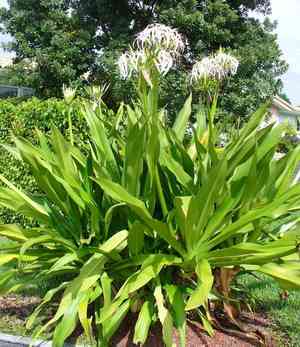
Originating from tropical Asia, poisonbulb is distinguished by its expansive, strap-like foliage and aromatic white blossoms. Consistent elimination of discolored or withered leaves preserves the plant's vitality and visual appeal. After flowering, sever the bloom stalks at their base to preserve the plant's vigor. Optimal trimming occurs from early spring through late autumn, as this practice encourages fresh development. Refrain from pruning during the winter period, when poisonbulb exhibits reduced activity. Advantages of pruning encompass enhanced air movement and a diminished likelihood of illness.
What Are the Benefits of Pruning Poisonbulb?
What Are the Benefits of Pruning Poisonbulb?
Trimming poisonbulb promotes robust development and helps maintain its desired form, ensuring the plant stays healthy and visually pleasing.
What Is the Best Time for Pruning Poisonbulb?
What Is the Best Time for Pruning Poisonbulb?
Early spring is an optimal period for pruning poisonbulb as it precedes the growth cycle, allowing the plant to recover and direct energy towards new growth. Pruning at this time can shape the plant and manage its size before its active growing phase begins. Late fall is another suitable time for pruning poisonbulb, occurring after the primary growing season and the completion of its flowering cycle. This timing ensures that blooming is not interrupted and the plant has ample time to heal before winter. Furthermore, late fall pruning prepares poisonbulb for dormancy and allows for the removal of damaged or diseased foliage, which can help reduce the likelihood of fungal infections or other plant ailments more common in colder, moister conditions. Thus, these seasons align with poisonbulb's growth patterns, contributing to its overall health and vitality.
What Tools Do I Need to Prune Poisonbulb?
Bypass Pruners
Perfect for making clean cuts on poisonbulb's thinner, softer leaves and stems without causing unnecessary harm to the plant's tissues.
Long-handled Loppers
Useful for reaching into poisonbulb's dense clusters without getting scratched by the leaves, providing leverage for easier cutting.
Gloves
Essential for hand protection when handling poisonbulb, as its sap may cause skin irritation for some individuals.
Pruning Saw
Required for cutting through the thicker stems of mature poisonbulb, which might be too large for pruners or loppers.
Garden Shears
Helpful for shaping and managing poisonbulb's overall appearance, especially for simultaneously trimming numerous thinner stems.
How to Prune Poisonbulb
Step1: Inspect Plant for Pruning Needs
Thoroughly examine poisonbulb to identify all parts requiring pruning, such as spent flowers, yellowed leaves, and withered leaves. Be sure to check the entire plant, including the base and inner sections for any hidden or overlooked affected areas.
Step2: Sterilize Pruning Tools
Clean and sanitize your pruning tools before you begin. Use rubbing alcohol or a diluted bleach solution to prevent the spread of diseases between plants.
Step3: Prune Dead Flowers
Start pruning by removing dead flowers. Cut the flower stalks at their base where they emerge from the leaves using sharp, clean shears. Snip carefully to avoid damaging surrounding foliage or the bulb beneath.
Step4: Trim Yellow Leaves
Proceed with yellow leaves, which indicate they are no longer beneficial to poisonbulb. Trim these leaves at the point where they meet the soil or the bulb. Ensure to cut close to the bulb without harming it.
Step5: Remove Wilted Leaves
Locate wilted leaves, which can result from insufficient water or disease. Gently tug on the wilted leaves to see if they detach easily, indicating they are ready for removal. If not, use shears to trim them at the base.
Step6: Check for Clean Cuts
Inspect the cuts to ensure they are clean and that no unnecessary plant material has been left, which could rot and lead to disease. Remove all pruned material from around poisonbulb to deter pests.
Step7: Apply Organic Mulch
Apply a thin layer of organic mulch around poisonbulb, but keep it away from the direct base to prevent moisture buildup that could cause rot. This will also promote healthy growth and recovery after pruning.
Step8: Water Plant Post-Pruning
Water poisonbulb immediately after pruning to help reduce plant stress. Ensure proper drainage to prevent water from accumulating at the base, which could cause the bulb to rot.
Step9: Monitor for Regrowth
Regularly monitor poisonbulb after pruning for signs of new growth or potential issues. Provide appropriate care including sun, water, and fertilizer to support healthy regrowth.
Post-Pruning Care for Poisonbulb
Post-Pruning Care for Poisonbulb
Immediately after pruning poisonbulb, ensure cuts are clean to aid healing. Place poisonbulb in indirect sunlight to lessen stress, maintain ambient humidity, and keep temperatures stable. Introduce a balanced fertilizer to encourage growth; however, avoid excessive fertilization that can harm new shoots. Regularly check for signs of disease or pests, such as wilting or discoloration. If symptoms appear, isolate poisonbulb and apply appropriate treatments promptly to prevent further damage.
Common Pruning Mistakes with Poisonbulb
Improper Leaf Cutting Leading to Disease
A frequent error is cutting into the healthy, fleshy parts of poisonbulb's leaves instead of just removing dead or damaged leaf tips. This can create open wounds, making the plant vulnerable to diseases.
Over-Pruning Reduces Photosynthesis and Vigor
Another mistake is removing too many leaves in an attempt to neaten the plant. Poisonbulb's leaves are vital for photosynthesis, and excessive pruning can stress the plant, leading to reduced vitality and fewer blooms.
Early Flower Stalk Removal Decreases Energy
Removing flower stalks too soon is also an error. For poisonbulb, flower stalks should remain until they have completely withered, as premature removal can diminish the energy being redirected into the bulb for the next flowering cycle.
Common Pruning Tips for Poisonbulb
Trim Dead Leaves at Base with Clean Tools
Use clean, sharp tools to remove only dead, yellowed, or damaged leaves by cutting them at the base, near the soil line, to promote a healthy appearance and prevent potential entry points for disease.
Selective Pruning of Older Leaves Boosts Growth
To encourage more vigorous growth and blooming in poisonbulb, selectively prune older outer leaves. This will also improve air circulation around the plant, which can help prevent fungal diseases.
Correct Timing for Flower Stalk Pruning
When a flower stalk of poisonbulb finishes blooming and begins to decline, cut it back close to the base. However, ensure that the timing is correct and that the flower stalk is completely brown before removing it to allow nutrients to return to the bulb.
Inspect Base and Carefully Separate Offsets
Always inspect the base and roots while pruning poisonbulb. If offsets or 'pups' are present and have grown enough, they can be separated and planted elsewhere, but be careful not to disturb the main bulb heavily.



