How to Prune False heather?
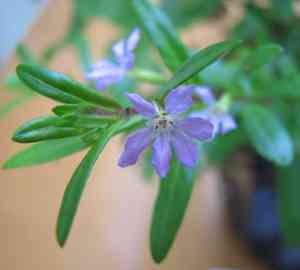
A tropical evergreen shrub, Cuphea hyssopifolia is recognized for its thick leaves and tiny purple blossoms. Successful pruning entails cutting back elongated branches and molding the plant to preserve its compact nature. Ideally performed in early spring or winter, the meticulous removal of deceased or sparse growth stimulates a fuller appearance and profuse flowering. Refrain from severe pruning, as this can hinder bloom production. Prompt trimming aids the plant by fostering its well-being, robustness, and an attractive shape.
What Are the Benefits of Pruning False Heather?
What Are the Benefits of Pruning False Heather?
Trimming false heather promotes abundant flowering and aids in preventing pests and diseases by eliminating potentially compromised foliage, thereby sustaining vigor and health.
What Is the Best Time for Pruning False Heather?
What Is the Best Time for Pruning False Heather?
Pruning false heather in early spring is optimal as the plant emerges from dormancy, leading to robust growth that can readily mend pruning cuts and generate new foliage. Winter pruning is also suitable, during the plant's inactive phase, to maintain form, remove dead or diseased branches, and prepare false heather for vigorous spring growth without impacting blooming since it flowers on new growth.
What Tools Do I Need to Prune False Heather?
Hand pruners
Perfect for making clean cuts on false heather's small stems, which encourages healthy regrowth.
Bypass pruners
Recommended for their scissor-like action, suitable for living stems and branches of false heather, ensuring minimal harm to the plant's delicate tissues.
Pruning shears
Effective for shaping false heather, allowing for precision in snipping off unwanted twigs and leaves without harming the rest of the plant.
How to Prune False Heather
Step1: Timing Pruning for Plant Recovery
Select the appropriate time to prune false heather, ideally in late winter or early spring before new growth commences. Pruning during this period assists the plant in recovering swiftly and beginning vigorous growth when the growing season starts.
Step2: Sanitize Shears to Prevent Disease Spread
Sterilize your pruning shears with rubbing alcohol or a 10% bleach solution to prevent the spread of disease. Rinse the shears after sterilizing and dry them to prevent corrosion.
Step3: Hydrate Plant Before Pruning
Water false heather the day before pruning to ensure it is well-hydrated, which will help it to recover faster after being pruned.
Step4: Remove Deadwood for Plant Health
Identify deadwood by looking for branches that are brittle, have no leaves, or show signs of damage and disease. Using your sterilized pruning shears, cut the deadwood at the base where it meets healthy wood, making a clean cut without leaving any stubs.
Step5: Cut Withered Flowers to Promote New Blooms
Remove withered flowers to encourage new blooms and maintain a tidy appearance. Snip the faded flowers at their base, being careful not to damage the healthy buds and leaves that are nearby.
Step6: Trim Crossing Branches to Reduce Damage
When trimming old growth, focus on branches that are crossing or rubbing against each other to reduce the chance of injury and disease. Cut these branches back to their point of origin or to a lateral branch that can support the redirected growth.
Step7: Thin Out Stems for Better Light and Air
Thin out old or overcrowded stems to improve light penetration and air circulation, which is critical for the health of false heather. Selectively cut back these stems at varying lengths to keep a natural-looking shape and promote fuller growth.
Step8: Shape Plant for Balanced Growth
Shape false heather by evenly distributing pruning cuts throughout the plant. Avoid over-pruning any one area, as this can weaken false heather and impair its growth. Instead, aim for a balanced, rounded, and natural shape that suits the growth habit of false heather.
Step9: Cleanup Clippings to Avoid Disease and Pests
After pruning, clean up all the clippings from around false heather to prevent disease and discourage pests. Dispose of or compost healthy trimmings, but do not compost diseased or infested material.
Step10: Water and Mulch Post-Pruning for Recovery
Water false heather after pruning to help it recover. Mulch around the base with organic material to help retain soil moisture and provide nutrients as it decomposes.
Post-Pruning Care for False Heather
Post-Pruning Care for False Heather
After pruning false heather, immediately water the soil to aid recovery. Adjust environmental conditions, ensuring bright, indirect light and consistent humidity. Protect false heather from temperature extremes. Apply a balanced fertilizer to support growth. Monitor for signs of stress, like wilting or discolored leaves, and check for infection at the cuts. If issues arise, adjust care and consider consulting a plant health specialist.
Common Pruning Mistakes with False Heather
Excessive Pruning Shocks Plant Growth
Cutting too much off in one go, which can shock false heather and stunt its growth.
Damaging Plant with Dull and Dirty Tools
Using dull or dirty pruning tools, which can damage the stems of false heather and introduce disease.
Unfocused Pruning Damages Healthy Growth
Pruning without a clear goal, thus removing healthy growth or shaping the plant improperly.
Common Pruning Tips for False Heather
Sharp Clean Shears for Healthy Cuts
Use sharp, clean shears to make precise cuts, which help false heather heal quicker and reduce the risk of disease.
Remove Dead Stems for Better Airflow
When pruning, focus on removing dead or weak stems to improve air circulation and encourage bushier growth.
Promote Fullness with Tip Pinching
Pinch off the tips of the stems during the growing season to promote fuller plants and more abundant flowering.



