How to Prune Ivy-leaved cyclamen?
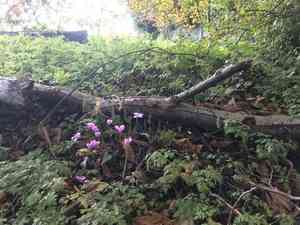
Recognized for its cordate foliage and blossoms that appear in autumn, Cyclamen hederifolium necessitates only light trimming to eliminate spent blooms and discolored leaves, thereby fostering robust development. The timing of this activity is vital; perform pruning in early spring once flowering concludes or in late autumn for tidiness. Refrain from excessive pruning, as this can negatively impact the subsequent year's floral display. Trimming offers the dual advantages of stimulating fresh growth and preserving an appealing form.
What Are the Benefits of Pruning Ivy-leaved Cyclamen?
What Are the Benefits of Pruning Ivy-leaved Cyclamen?
Trimming ivy-leaved cyclamen promotes more abundant blooms, stimulates robust development, and maintains a desired compact shape. Removing faded flowers and shaping cuts ensures ivy-leaved cyclamen stays healthy and visually appealing.
What Is the Best Time for Pruning Ivy-leaved Cyclamen?
What Is the Best Time for Pruning Ivy-leaved Cyclamen?
Trimming ivy-leaved cyclamen in early spring is advantageous as it allows for the removal of any dead or diseased foliage remaining from winter before new growth emerges. This timing ensures the plant's energy is directed towards fresh, healthy development. Late autumn is also ideal for pruning, occurring after the blooming period. Trimming then prepares ivy-leaved cyclamen for dormancy, helps maintain its form, and prevents potential disease spread from dead or dying plant material. These seasons align with the plant's natural rest cycle and encourage vigorous growth and flowering in the subsequent season.
What Tools Do I Need to Prune Ivy-leaved Cyclamen?
Precision Pruners/Scissors
Given the delicate nature of ivy-leaved cyclamen, precise pruners or scissors are crucial. They enable accurate cuts, causing minimal harm to the slender stems and small leaves.
Soft-tipped Snips
Ivy-leaved cyclamen possesses tender foliage that could be damaged by harsh tools. Soft-tipped snips are gentle on the plant, preventing bruising and ensuring a clean cut.
Gloves with Fingertip Dexterity
Handling ivy-leaved cyclamen requires a delicate touch. Gloves offering good fingertip dexterity protect hands while allowing for the careful manipulation needed during pruning.
Sanitized Blades
To prevent the spread of disease, sanitized cutting blades are essential. This ensures that any cuts made to ivy-leaved cyclamen are clean and free from pathogens.
How to Prune Ivy-leaved Cyclamen
Step1: Timing Pruning Post-Flowering
Wait for the appropriate time to prune ivy-leaved cyclamen, which is after its blooming period, typically from late spring to early summer. Avoid pruning while ivy-leaved cyclamen is actively flowering.
Step2: Tool Sterilization Pre-Pruning
Sterilize your pruning implements with rubbing alcohol or a 10% bleach solution to prevent the transmission of diseases to ivy-leaved cyclamen.
Step3: Deadhead Flowers to Boost Growth
Begin by removing spent flowers from ivy-leaved cyclamen to encourage new development and prevent seed formation, which can diminish next year's blooms. Pinch off the faded flowers at the base of their stems.
Step4: Remove Yellowing Leaves
Look for yellow leaves, often indicating aging or poor health in ivy-leaved cyclamen. Gently pull these leaves from the base if they detach easily, or use sterilized scissors for a clean cut at the leaf stem's base.
Step5: Excise Wilted Leaves
Identify wilted leaves, which can result from aging or environmental stress. Carefully remove these leaves by cutting them at the base using your sterilized pruning tools.
Step6: Disease and Pest Damage Control
Inspect ivy-leaved cyclamen for any signs of disease or pest damage during pruning and remove any affected parts to prevent further spread. Dispose of these parts properly, away from healthy plants.
Step7: Post-Pruning Cleanup
After pruning is finished, clear debris from the soil around ivy-leaved cyclamen to maintain good hygiene and reduce the risk of diseases.
Step8: Water Plant Post-Pruning
Water ivy-leaved cyclamen thoroughly after pruning, focusing on the plant's base and avoiding wetting the foliage, to aid recovery and encourage new growth.
Step9: Ongoing Health Monitoring
Monitor ivy-leaved cyclamen over the subsequent weeks and continue to remove any yellow or wilted leaves, as well as dead flowers, as needed to keep the plant healthy and attractive.
Post-Pruning Care for Ivy-leaved Cyclamen
Post-Pruning Care for Ivy-leaved Cyclamen
Immediately after trimming ivy-leaved cyclamen, water gently to alleviate stress. Position ivy-leaved cyclamen in a bright area with indirect sunlight, maintaining a moderate environment and high humidity. Avoid sudden temperature shifts. After pruning, apply a balanced liquid fertilizer monthly to promote vigorous growth. Regularly observe ivy-leaved cyclamen for wilted leaves or discoloration, which may signal stress or potential disease. If signs appear, adjust care and seek advice on disease management if necessary. Consistent monitoring ensures a healthy recovery after pruning.
Common Pruning Mistakes with Ivy-leaved Cyclamen
Over-pruning leading to stress and potential plant death
Excessive pruning, which can stress ivy-leaved cyclamen and diminish its ability to flower or even result in plant demise.
Pruning during active growth reduces the plant's energy
Trimming the leaves during their active growth phase or while they are still green, which can deprive ivy-leaved cyclamen of necessary energy.
Damage and disease from cutting into the tuber
Removing the tuber or cutting into it during pruning, which can harm the plant and potentially introduce disease.
Failure to deadhead prevents energy focus on new growth
Neglecting to remove spent flowers, which can prevent ivy-leaved cyclamen from directing its energy towards new growth and blooming.
Using blunt or dirty tools risks tissue damage and disease
Employing dull or unclean cutting tools, which can tear plant tissues and introduce pathogens, rather than making clean cuts.
Incorrect pruning timing due to misunderstanding growth cycles
Pruning without comprehending the growth cycle of ivy-leaved cyclamen, which can lead to improper timing and harm to the plant.
Common Pruning Tips for Ivy-leaved Cyclamen
Use clean, sharp tools for precise cuts and infection prevention
Prepare clean and sharp implements for trimming ivy-leaved cyclamen to ensure accurate cuts and minimize the risk of infection.
Cut back dying foliage at the base, avoiding tuber disturbance
Remove dead or dying foliage by cutting at the base without disturbing the tuber to keep ivy-leaved cyclamen neat and redirect its energy to healthy growth.
Allow natural leaf yellowing for nutrient reabsorption
After flowering, permit the leaves to yellow and wither naturally before removal, as they supply vital nutrients to the tuber for the next season's growth.
Deadhead faded flowers to boost blooming and control seeding
When deadheading, snip off the faded flowers at their stem base to encourage further blooming and prevent self-sowing if not desired.
Prune diseased or infested areas first to prevent spreading
Conduct a visual inspection to identify any diseased or pest-infested parts and prune these areas first to prevent their spread to healthy growth.
Sanitize tools between cuts to prevent cross-contamination
Sanitize pruning tools between cuts, especially when removing diseased material, to maintain plant health and prevent cross-contamination.



