How to Prune Lemon grass?
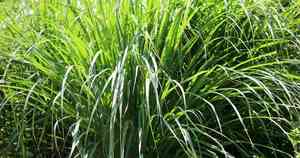
Lemon grass, a perennial herb prized for its fragrant leaves, flourishes with consistent trimming to foster dense development and greater leaf output. Essential pruning methods include severing the upper third of developed stems, eliminating bloom stalks, and cutting near the ground to stimulate fresh sprouts. The most favorable periods for pruning are early spring or winter, coinciding with the plant's inactive phase. Pruning aids lemon grass by preserving its form, managing its dimensions, and enhancing air movement within its clusters.
What Are the Benefits of Pruning Lemon Grass?
What Are the Benefits of Pruning Lemon Grass?
Trimming lemon grass promotes robustness and maintains a neat appearance. It stimulates fresh growth, ensuring a plentiful and new supply of leaves for cooking, while shaping the plant for visual appeal in gardens.
What Is the Best Time for Pruning Lemon Grass?
What Is the Best Time for Pruning Lemon Grass?
Trimming lemon grass in early spring coincides with the end of its dormant phase and just before active growth begins, fostering strong new shoots. This timing allows the plant to recuperate and direct its energy towards producing healthy new growth as temperatures rise. Winter trimming is not recommended for lemon grass since it's a tropical plant that might not respond well to pruning during colder periods, potentially leading to stunted development or harm.
What Tools Do I Need to Prune Lemon Grass?
Hand Pruners
Ideal for cutting thinner lemon grass stalks, enabling precision and minimal plant damage.
Bypass Pruners
These resemble scissors and are perfect for making clean cuts on lemon grass without crushing plant tissue, encouraging healthier regrowth.
Serrated Blade Knife
This knife type can efficiently saw through thicker lemon grass stalks, useful for harvesting or reducing plant size.
Gardening Shears
Larger shearing tools can be helpful for shaping the grassy clumps of lemon grass and managing the plant's overall dimensions.
Gloves
Essential for personal protection when handling lemon grass, as sharp blades and the grass edges themselves can cause cuts.
How to Prune Lemon Grass
Step1: Inspection for Pruning Zones
Identify the areas of lemon grass needing trimming, such as dead foliage, overgrown clumps, or dried stalks. Thoroughly inspect the plant and determine the extent of pruning required.
Step2: Preparation of Sterilized Pruning Tools
Gather appropriate pruning tools like sharp, clean gardening shears or scissors. Sanitize the blades with a solution of one part bleach to nine parts water to prevent disease spread.
Step3: Removal of Dead Foliage
Begin by removing dead foliage. Carefully snip off brown or yellow leaves at the stem's base where they meet green growth. Make clean cuts to avoid tearing, which can attract pests and diseases.
Step4: Thinning Overgrown Clumps
Proceed to thin overgrown clumps for improved air circulation and light penetration. Grasp a bundle of stems and trim them back to about two-thirds of their original height, ensuring the cut is made just above a node to promote new growth.
Step5: Cutting Back Dried Stalks
Locate any dried stalks, which often indicate older growth. Cut these stalks at ground level, as close to the soil as possible. This creates more space for newer, more vigorous stalks to develop.
Step6: Shaping the Plant
Shape the lemon grass after you've completed pruning the necessary parts. Trim any unevenness to maintain an even, rounded form for aesthetic purposes and to encourage a fuller growth habit.
Step7: Clearing Pruning Debris
Once pruning is finished, remove all trimmings from the area to lessen the chance of pest infestation or disease. Compost healthy trimmings and properly dispose of diseased or infested material.
Step8: Post-pruning Watering
Water the lemon grass after pruning to help reduce stress and encourage recovery. Be careful not to overwater as lemon grass prefers well-drained soils and can be prone to root rot if left in standing water.
Step9: Monitoring Plant Recovery
Observe the lemon grass during its recovery phase. Look for new growth, which indicates successful pruning and a healthy lemon grass. Adjust care practices like watering and fertilizing based on the plant's needs after pruning.
Post-Pruning Care for Lemon Grass
Post-Pruning Care for Lemon Grass
Immediately after trimming lemon grass, water thoroughly to help alleviate stress. Place lemon grass in an area with bright, indirect sunlight, maintaining moderate humidity and temperatures between 65-85°F. Apply a balanced, water-soluble fertilizer to support robust regrowth. Watch for yellowing leaves or wilting, which signal distress. If signs of infection like discoloration or rot appear, trim affected areas and apply a fungicide. Monitor regularly and adjust care as needed for healthy recovery.
Common Pruning Mistakes with Lemon Grass
Over-Pruning Causes Stress and Regrowth Issues
Cutting too much at once, which can stress lemon grass and hinder its ability to recover and regrow.
Dull Tools Lead to Jagged Cuts and Disease Risk
Using dull or uncleaned pruning tools, which can cause jagged cuts susceptible to disease and may impede healthy growth.
Excessive Removal of Green Stalks Reduces Vigor
Removing too many green stalks, limiting the photosynthetic capability and reducing the vigor of lemon grass.
Improper Pruning Affects Shape and Circulation
Pruning without understanding the growth pattern of lemon grass, potentially leading to an unshapely plant or poor air circulation within the foliage.
Common Pruning Tips for Lemon Grass
Clean, Angled Cuts with Sterilized Shears Aid Recovery
Utilize sharp and sterilized pruning shears to make clean, angled cuts, which help lemon grass recover more quickly and reduce the risk of disease transmission.
Prune Older Stalks Sparingly to Boost New Growth
Prune up to one-third of the older and less vigorous stalks, as this will encourage new growth without overwhelming lemon grass.
Base Cuts Avoid Damage to New Shoots
Cut as close to the base as possible without damaging new shoots, keeping the health and future growth pattern of lemon grass in mind.
Preserve Natural Shape by Pruning Leaning Outer Stalks
Maintain the natural shape of lemon grass by identifying and pruning outer stalks that are leaning or disrupting the plantâs clumping growth habit.
Mulch and Water After Pruning to Support Recovery
After pruning, mulch and water lemon grass adequately to support its recovery and the development of new shoots.



