How to Prune Pink lady slipper?
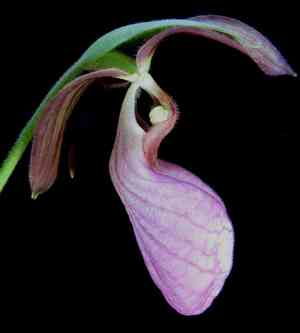
The delightful pink lady slipper, recognized for its distinctive moccasin-like blossoms, flourishes with infrequent trimming. Eliminate faded blooms and compromised foliage to encourage development and deter ailments. The ideal period for pruning is after blooming, spanning from early spring to late autumn, subsequent to its dormant phase. Trimming beyond this timeframe could disrupt the plant's inherent rhythm. Diligent care enhances the probability of pink lady slipper's uncommon, captivating presentations in shaded forest environments.
What Are the Benefits of Pruning Pink Lady Slipper?
What Are the Benefits of Pruning Pink Lady Slipper?
Trimming pink lady slipper promotes more vibrant blossoms by channeling energy towards flower development. Regular cutting helps maintain the plant's compact shape, ensuring a robust structure. This practice also encourages pink lady slipper to grow more vigorously.
What Is the Best Time for Pruning Pink Lady Slipper?
What Is the Best Time for Pruning Pink Lady Slipper?
Trimming pink lady slipper in early spring is optimal as it allows gardeners to eliminate any compromised or diseased sections before the plant commences its active growth phase. This timing prevents undue stress on pink lady slipper when it requires energy for new shoots and flowers. Pruning in late autumn, once the foliage has receded, is also advantageous as it prepares pink lady slipper for dormancy and ensures that no fungal issues persist on dead tissue through winter, potentially impacting the subsequent year's growth. Both these periods avoid the blooming season, which is vital for safeguarding the health and aesthetic appeal of pink lady slipper.
What Tools Do I Need to Prune Pink Lady Slipper?
Precision Pruners
Excellent for making clean cuts on pink lady slipper's delicate stems and leaves. Their small, sharp blades enable precise control, minimizing harm to surrounding plant tissue.
Fine-tip Snips
Ideal for deadheading or trimming very fine or hard-to-reach parts of pink lady slipper. The fine tips can navigate tight spaces without disturbing the rest of the plant.
Soft-Grip Shears
For larger foliage or multiple stems, soft-grip shears offer comfort and accuracy. The soft grip lessens hand fatigue during use, crucial for the meticulous care pink lady slipper demands.
Gloves with Tactile Fingertips
Though not a cutting tool, these gloves safeguard the gardener's hands while providing sensitivity and dexterity when handling pink lady slipper, essential for preventing accidental damage to its delicate parts.
How to Prune Pink Lady Slipper
Step1: Timing for Pruning
Determine the appropriate time of year for trimming pink lady slipper. Typically, the best period to prune is after the flowers have faded and the plant has entered dormancy, usually in late summer or fall.
Step2: Pruning Tool Preparation
Gather the necessary tools for pruning pink lady slipper, which should include sharp, clean, and sanitized pruning shears or scissors to prevent disease transmission.
Step3: Removing Withered Flowers
Begin the pruning process by carefully removing spent flowers from pink lady slipper. Cut the flower stalk near its base without harming the leaves or adjacent stems.
Step4: Pruning Dry or Yellowing Leaves
Inspect pink lady slipper for dry or discolored leaves. Gently trim these leaves at the point where they emerge from the rhizome to avoid damaging the roots.
Step5: Cutting Back Dead Stalks
Look for any lifeless stalks on pink lady slipper. These should be cut back to ground level, ensuring a clean cut that does not injure the underlying rhizome.
Step6: Disposal of Pruned Material
Discard all removed material from pink lady slipper, such as faded flowers, dry leaves, and dead stalks, in a compost bin or away from the garden to prevent the spread of any potential diseases.
Step7: Post-Pruning Watering
Water pink lady slipper lightly after pruning to aid plant recovery, but avoid overwatering as this species prefers well-draining soils and can be sensitive to excessive moisture.
Step8: Health Monitoring After Pruning
Observe pink lady slipper post-pruning for any indications of stress or illness. If the plant appears unhealthy, consult a local horticultural expert for specific guidance.
Step9: Spring Fertilization for Growth
Fertilize pink lady slipper with a balanced, slow-release fertilizer in the spring to encourage robust growth in the upcoming season.
Post-Pruning Care for Pink Lady Slipper
Post-Pruning Care for Pink Lady Slipper
Immediately after trimming pink lady slipper, maintain high humidity and provide filtered light to prevent shock. Keep the temperature stable, preferably cool, to facilitate recovery. Post-pruning, apply a balanced fertilizer to support new growth, but avoid overfeeding, which can harm pink lady slipper. Regularly check for signs of stress, such as wilting or discoloration. At any indication of infection, such as spots on leaves, act swiftly with appropriate fungicides. Monitor and adjust care as pink lady slipper adapts to pruning.
Common Pruning Mistakes with Pink Lady Slipper
Improper Pruning of Flower Spikes
Trimming the flower spike after blooming, as this can inadvertently remove the leafy bract that assists in photosynthesis and plant energy storage.
Damaging Rhizomes or Main Roots
Cutting into the rhizome or primary roots while attempting to prune the plant, which can cause significant harm or even kill pink lady slipper.
Over-Pruning Leaves
Removing too many leaves during the process, which can weaken pink lady slipper by limiting its ability to absorb sunlight and perform photosynthesis.
Common Pruning Tips for Pink Lady Slipper
Remove Only Dead or Damaged Material
Focus on eliminating only the dead or compromised plant material to prevent disease spread and maintain the overall health of pink lady slipper.
Use Sterilized Sharp Shears
Utilize sterilized and sharp pruning shears to make clean cuts without damaging the sensitive tissues of pink lady slipper.
Prune After Natural Foliage Dieback
After flowering, allow the foliage of pink lady slipper to naturally die back before pruning, as this process helps replenish nutrients in the roots for the next growing season.



