How to Prune Devil's trumpet?
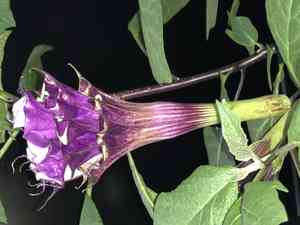
Distinguished by its bell-shaped blossoms and sturdy form, Datura metel necessitates careful trimming to preserve its structure and foster vigorous development. Remove lifeless or injured stalks and faded flowers to stimulate further blooming. The most effective time for pruning is in early spring, concentrating on reducing crowded sections and decreasing the plant's dimensions to improve air circulation. Refrain from winter pruning to lessen the chance of frost harm. Trimming improves aesthetics, hinders the spread of illness, and aids in controlling the rapid expansion of this plant.
Advantages of Trimming Devil's Trumpet
Advantages of Trimming Devil's Trumpet
Trimming devil's trumpet promotes a greater abundance of flowers and helps prevent pest and disease infestations by eliminating dead or unhealthy tissue, thereby maintaining the plant's vitality and appearance.
Optimal Time for Trimming Devil's Trumpet
Optimal Time for Trimming Devil's Trumpet
Early spring is considered the best time for trimming devil's trumpet as it emerges from dormancy, leading to rapid new growth. Pruning at this time allows for shaping the plant and stimulating healthier, denser growth just as it prepares for its active season. Removing any dead or damaged branches early in the year prevents disease and allows the plant's energy to focus on producing new, healthy growth. Late winter trimming is also suitable while the plant is still dormant, reducing stress and potential harm. This timing helps ensure quick wound healing, decreasing vulnerability to pests and diseases, and results in a vigorous resurgence in the subsequent growing season. Trimming during these periods helps maintain the plant's structure, facilitates light penetration, and supports its natural life cycle, promoting abundant flowering or fruiting.
Tools Required for Trimming Devil's Trumpet
Bypass Pruners
Perfect for making precise cuts on devil's trumpet's smaller stems and branches, minimizing damage to plant tissue.
Anvil Pruners
Not advised for devil's trumpet, as they tend to crush the stem, which could harm the plant.
Loppers
Useful for reaching higher or deeper branches of devil's trumpet that are too thick for bypass pruners.
Pruning Saws
Recommended for devil's trumpet when branches are too thick for loppers and require more substantial cutting power.
Gloves
Crucial for protecting hands from devil's trumpet's toxic sap during trimming.
Pruning Shears
Suitable for shaping devil's trumpet or for cutting away dead or diseased foliage.
Hedge Shears
Not appropriate for devil's trumpet as they are typically used for shaping hedges and could damage the plant if used improperly.
Disinfectant for Tools
Essential to prevent the spread of disease from infected plant parts to healthy ones during trimming of devil's trumpet.
How to Trim Devil's Trumpet
Remove Diseased Parts
Identify and eliminate any diseased leaves and branches from devil's trumpet. Make clean cuts with sterilized pruning shears to prevent disease spread.
Trim Dead Material
Cut away all dead or withered leaves, branches, and flowers from devil's trumpet to encourage healthy growth and improve air circulation. Completely remove this material from the area to reduce pest infestation risk.
Prune Excessive Growth
Trim back overly long branches on devil's trumpet to maintain its desired shape and size. This encourages more blooms and a bushier appearance. Make cuts just above leaf nodes at a 45-degree angle.
Shape Plant
Shape devil's trumpet by carefully selecting branches for removal based on the plant's overall form. Aim for a balanced structure that allows light to penetrate the canopy, supporting the development of new blooms.
Clean Up
After trimming, clear all debris around devil's trumpet to keep the area free from potential pests and diseases. Properly dispose of or compost the waste material to maintain a healthy garden environment.
Common Trimming Errors with Devil's Trumpet
Overpruning
Removing too much foliage from devil's trumpet can result in weakened plants that produce fewer flowers. Aim to remove no more than one-third of the plant at a time.
Ignoring Health Of The Plant
Cutting into the woody, old growth without considering the plant's health can shock devil's trumpet, potentially stunting its growth or leading to its demise.
Blunt Or Dirty Tools
Trimming devil's trumpet with dull or dirty tools can create jagged cuts that are more susceptible to infections.
Not Sealing Cuts
Failing to apply a sealant on large cuts can leave devil's trumpet vulnerable to pests and diseases.
Incorrect Technique
Using an improper cutting technique, such as tearing or ripping instead of crisp cuts, can lead to damage of devil's trumpet's structure and aesthetics.
Pruning For Shape Only
Focusing solely on shaping devil's trumpet without considering its natural growth pattern can hinder its potential for optimal bloom production.
General Trimming Advice for Devil's Trumpet
Sharp Tools
Utilize sharp, clean pruning shears to make precise cuts, which aid in quicker healing for devil's trumpet.
Selective Pruning
Trim strategically by removing dead or diseased parts first to enhance the health and appearance of devil's trumpet.
Cutting Angle
Make cuts at a 45-degree angle just above a leaf node or bud to promote healthy regrowth for devil's trumpet.
Hygiene
Sterilize trimming tools before moving from one plant to another to prevent the spread of diseases to devil's trumpet.
Observation
Regularly inspect devil's trumpet for signs of overgrowth, dead wood, and disease so that trimming can be done proactively instead of reactively.
Supportive Pruning
Trim devil's trumpet in a manner that supports its natural growth habit, encouraging it to develop a robust structure and abundant flowering.



