How to Prune Dwarf larkspur?
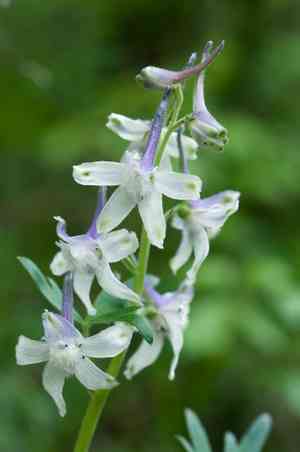
This herbaceous perennial, featuring attractive spires of blue to violet blossoms, flourishes in rich, adequately drained earth. Trim dwarf larkspur following its flowering period to foster a neat appearance and possible secondary bloom. Sever withered flower stems at their base throughout spring or summer. In autumn, eliminate aged leaves at soil level to preserve the plant's well-being and deter illness. Performing these cuts during these periods corresponds with the plant's natural progression, stimulating robust development and blooming in the subsequent year.
What Are the Benefits of Pruning Dwarf Larkspur?
What Are the Benefits of Pruning Dwarf Larkspur?
Trimming dwarf larkspur promotes more vibrant blossoms, ensuring the plant thrives robustly. It also aids in maintaining a compact, appealing form, crucial for both decorative and ecological purposes.
What Is the Best Time for Pruning Dwarf Larkspur?
What Is the Best Time for Pruning Dwarf Larkspur?
Pruning dwarf larkspur in early spring is optimal as it prepares the plant for new development, which typically occurs as temperatures rise. This timing allows gardeners to eliminate any dead or damaged stems from winter, fostering healthier and more vigorous spring growth. During the summer, after dwarf larkspur has finished blooming, a light trim can help maintain its shape and might encourage a second flowering. Avoid pruning in fall since new growth stimulated by pruning could be harmed by frost, diminishing the plant’s vitality for the subsequent spring.
What Tools Do I Need to Prune Dwarf Larkspur?
Hand Pruners
For precise cutting and shaping of dwarf larkspur, hand pruners, also known as secateurs, facilitate easy cutting through slender stems without causing unnecessary plant damage. They are perfect for deadheading and selective thinning, ensuring minimal stress on the plant's delicate structure.
Gardening Gloves
Though not a cutting tool, gardening gloves are essential when handling dwarf larkspur to shield the gardener's hands from thorns and plant sap that might cause skin irritation. The gloves also provide a better grip on pruning tools.
Pruning Snips
These are ideal for reaching into dense foliage to snip spent flowers or remove small, dead leaves. Their narrow, sharp blades help make accurate cuts without harming surrounding plant tissue.
Clean Cloth and Disinfectant
To prevent disease spread during pruning, it's crucial to clean and disinfect the blades of pruning tools before and after use on dwarf larkspur. Use a clean cloth and a disinfectant, such as rubbing alcohol or a 10% bleach solution.
How to Prune Dwarf Larkspur
Identify
Identify and remove any diseased or discolored leaves from dwarf larkspur to prevent the spread of plant illnesses.
Trim Withered Leaves
Trim away withered or dead leaves to promote healthy growth and improve air circulation within dwarf larkspur's foliage.
Deadhead Flowers
Deadhead spent blooms by snipping them off at the base to encourage reblooming and maintain dwarf larkspur's aesthetic appeal.
Clean Cut
Make clean cuts using sharp, sterilized pruning shears to avoid causing unnecessary damage or stress to dwarf larkspur.
Dispose
Dispose of all removed plant material appropriately to reduce the risk of pests or diseases affecting dwarf larkspur.
Common Pruning Mistakes with Dwarf Larkspur
Overpruning
Removing too much foliage, which can stress dwarf larkspur and reduce its ability to photosynthesize, weakening the plant.
Blunt Instruments
Using dull or unclean pruning tools can lead to jagged cuts that may invite pests and diseases into the plant tissue.
Improper Cut Location
Incorrectly cutting above a leaf node or into the woody part of stems can damage dwarf larkspur and hinder its recovery and regrowth.
Neglecting Deadheading
Failing to remove spent flowers can result in dwarf larkspur putting energy into seed production rather than new growth or next season's blooms.
Disregarding Plant Health
Pruning without first assessing the health of dwarf larkspur might remove parts of the plant that are essential for its growth and recovery.
Common Pruning Tips for Dwarf Larkspur
Sharp Clean Tools
Use sharp, clean pruning shears to make clean cuts that will heal quickly, minimizing stress on dwarf larkspur.
Judicious Pruning
Prune only as much as necessary to shape dwarf larkspur, remove dead or diseased growth, and encourage airflow, which helps prevent disease.
Post Bloom Pruning
Trimming dwarf larkspur after flowering encourages a tidy plant habit and may promote a second, albeit smaller, flush of flowers.
Correct Cut Location
When pruning, cut just above leaf nodes where there is new growth, ensuring you do not damage emerging shoots.
Deadheading
Regularly remove faded flowers to encourage more blooms and focus dwarf larkspur's energy on healthy growth rather than seed formation.



