How to Prune Flax lily?
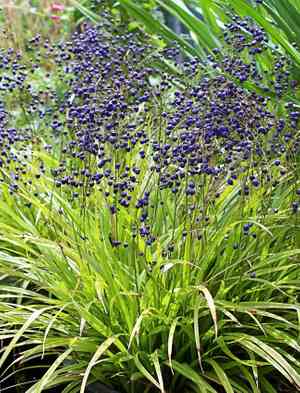
A resilient evergreen featuring elongated, strap-like leaves, the flax lily flourishes with little attention. Remove faded blooms and impaired leaves at any point. To manage its dimensions and revitalize the plant, trim back one-third of the most mature stems to their origin in early spring or late winter. Refrain from excessive trimming to preserve its inherent shape. Consistent pruning encourages vigorous development, boosting its aesthetic value and preventing it from becoming overgrown. Proper pruning additionally facilitates better air circulation and light exposure, diminishing the likelihood of disease.
Advantages of Trimming Flax Lily
Advantages of Trimming Flax Lily
Trimming flax lily encourages strong new development, ensuring a vigorous and thriving plant. It also aids in maintaining its desired shape, preventing excessive growth and fostering a neater look.
Optimal Time for Trimming Flax Lily
Optimal Time for Trimming Flax Lily
Late winter and early spring are considered the best times for trimming flax lily due to factors related to its growth cycle and well-being. During late winter, flax lily is typically dormant or semi-dormant, meaning it's not actively growing, flowering, or fruiting. This timing allows for trimming without causing undue stress or hindering new growth. Additionally, pruning before the spring growth surge enables flax lily to heal quickly from cuts and direct energy towards new, healthy growth as the season progresses. This not only helps maintain an attractive shape but also promotes vigorous development and ensures the plant's vitality. Trimming in early spring just before new growth starts gives gardeners the opportunity to remove any winter damage and shape the plant for the upcoming season. Pruning at this time also benefits flax lily's health by stimulating stronger, more resilient new growth, and can help prevent disease and pest infestations by removing old or diseased plant material.
Tools Required for Trimming Flax Lily
Hand Pruners
Perfect for making precise cuts on flax lily's slender stems and leaves. They allow for clean, close cuts that heal quickly and minimize plant damage.
Shears
Useful for shaping and trimming flax lily's grass-like foliage in bulk, especially when a more sculpted look is desired.
Pruning Saw
Not typically needed for flax lily due to its small and soft stems, but might be necessary for more mature or woody growth.
Gloves
Offer hand protection from sharp foliage and ensure a safer trimming process when handling flax lily.
How to Trim Flax Lily
Sanitize Tools
Disinfect all trimming tools before starting to prevent disease spread to flax lily. Use a bleach and water solution or rubbing alcohol to thoroughly clean the blades.
Remove Diseased Leaves
Identify and remove any diseased leaves from flax lily using sharp, sterilized pruning shears. Make cuts close to the leaf's base where it emerges from the stem or plant base for a clean removal.
Trim Withered Leaves
Inspect flax lily for any withered or dead leaves. Trim these leaves by cutting at the base, as close to the stem or ground as possible without harming new growth or healthy plant parts.
Healthy Growth
Assess the overall health and form of flax lily after removing diseased and withered leaves. Trim or pinch back any overgrown areas to encourage a balanced shape and bushier growth if needed.
Discard Trimmed Material
Dispose of all trimmed material from flax lily in the compost or trash. Do not leave the material on the ground as it can harbor pests or diseases that might reinfect the plant.
Common Trimming Errors with Flax Lily
Excessive Trimming
Removing too much foliage at once can shock flax lily and weaken it, potentially leading to reduced vigor and fewer blooms.
Uneven Cuts
Sloppy or asymmetrical cuts can result in a poor aesthetic form for flax lily and may also hinder uniform growth patterns.
Damage To Healthy Growth
Trimming back green, healthy stems can limit flax lily's ability to photosynthesize and thrive, reducing its overall health and blooming potential.
Ignoring Dead Material
Failing to remove dead or dying leaves and stems can make flax lily susceptible to diseases and pests, as well as unattractive foliage.
Using Dirty Tools
Trimming with contaminated tools can introduce pathogens to flax lily, leading to infections and disease spread.
General Trimming Advice for Flax Lily
Sharp Tools
Use clean, sharp tools to make precise cuts on flax lily, reducing tissue damage and promoting faster healing.
Selective Thinning
Thin out older growth to improve light penetration and air circulation for flax lily, which supports robust health and flowering.
Conservative Approach
Trim moderately, taking care not to remove more than one-third of flax lily's overall growth to maintain its vitality.
Shape Maintenance
Trim flax lily to maintain its natural shape, focusing on removing only wayward or damaged stems to encourage a tidy appearance.
Post-Flowering Care
After flowering, trim spent flowers of flax lily to encourage additional blooms and to prevent the plant from putting energy into seed production.



