How to Prune Bleeding Heart?
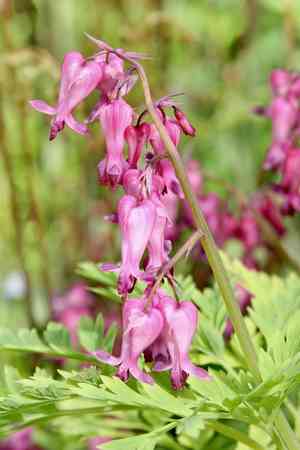
This enduring plant is celebrated for its cordate blossoms and gracefully curved stalks. Trimming bleeding Heart entails reducing the foliage subsequent to blooming to encourage a subsequent flowering period. During the initial part of spring or the latter part of autumn, eliminate withered leaves and compromised stems to sustain vitality and form. This type of trimming enhances air movement, diminishes the likelihood of illness, and fosters more compact development. Avoid pruning during the winter season, as the foliage offers defense against cold temperatures.
What Are the Benefits of Pruning Bleeding Heart?
What Are the Benefits of Pruning Bleeding Heart?
Trimming bleeding Heart promotes more abundant blooms, stimulates vigorous development, and maintains a compact, pleasing shape. Regularly removing faded flowers and dead leaves helps the plant conserve energy and directs resources towards healthy growth.
What Is the Best Time for Pruning Bleeding Heart?
What Is the Best Time for Pruning Bleeding Heart?
Trimming bleeding Heart in early spring allows for the removal of any winter-damaged foliage before new growth appears, ensuring the plant's energy is directed towards healthy tissues. This timing helps stimulate robust growth for the upcoming season. Late fall pruning is beneficial once bleeding Heart has completed its lifecycle and entered dormancy. At this stage, the plant is less susceptible to stress, and pruning can help prevent disease and pest infestation by removing any potentially infected or infested parts. Additionally, cutting back at this time prepares bleeding Heart for a healthy start in the following growing season. Both seasons avoid disrupting the flowering period of bleeding Heart, which typically occurs from late spring to early summer, preserving its ornamental value.
What Tools Do I Need to Prune Bleeding Heart?
Hand Pruners
Perfect for making precise cuts on bleeding Heart's stems, ensuring minimal harm to the plant's delicate tissues.
Bypass Pruners
Preferred over anvil-type pruners as they provide a cleaner cut to bleeding Heart, which is crucial for reducing the risk of disease and damage.
Pruning Snips
Useful for snipping off faded flowers or light trimming of bleeding Heart, offering precision in tight spaces among the foliage.
Garden Scissors
Can be used for deadheading or light shaping of bleeding Heart, providing control and minimizing accidental damage to nearby plant parts.
Cleaning Cloth
To wipe the blades after use on bleeding Heart to prevent the transfer of disease between plants.
Rubbing Alcohol
Used to sanitize pruning tools before and after working on bleeding Heart, reducing the potential for disease spread.
How to Prune Bleeding Heart
Step1: Timing for Pruning
Wait for the appropriate time of year to prune bleeding Heart. The ideal time is late winter or early spring, before new growth begins, or immediately after the plant has finished its bloom cycle in late spring or early summer.
Step2: Tools Sanitization
Sanitize your pruning shears to prevent the spread of disease. Use a solution of 1 part bleach to 9 parts water to wipe down the blades.
Step3: Deadheading Spent Blooms
Remove faded flowers by cutting them back to the base of the flower stem. Make the cut just above the leaf nodes to encourage new growth.
Step4: Thinning Excess Foliage
Thin excess foliage to maintain the health and shape of bleeding Heart. Remove any yellow or brown leaves by cutting them back to the base of the stem. Thin out crowded areas to increase air circulation, which can help prevent disease.
Step5: Shaping the Plant
Shape the plant by trimming back overgrown or leggy stems. Aim for a balanced and natural shape that maintains the arching form of bleeding Heart. Cut stems back to a set of leaves that faces the direction you want new growth to take.
Step6: Post-Pruning Cleanup
After pruning, clean up the area around bleeding Heart to remove any fallen debris, which could harbor pests or disease.
Step7: Watering After Pruning
Water bleeding Heart after pruning to help reduce stress. Ensure it receives adequate moisture, especially during dry spells.
Step8: Growth Monitoring
Monitor bleeding Heart for new growth and additional pruning needs. If the plant becomes too dense again, it may need light trimming throughout the growing season to maintain a desirable shape and health.
Step9: Debris Disposal
Dispose of all pruning debris properly, either by composting away from the plant area or through removal from the site, to prevent potential reinfestation of pests or diseases.
Post-Pruning Care for Bleeding Heart
Post-Pruning Care for Bleeding Heart
Immediately after trimming bleeding Heart, ensure clean cuts to avoid infection. Place bleeding Heart in partial shade to reduce stress; avoid direct sun. Maintain moist, well-drained soil and shelter from extreme temperatures to support recovery. Apply a balanced, slow-release fertilizer to replenish nutrients. Regularly inspect for wilting or discoloration as signs of stress or disease. If detected, isolate the affected area and treat promptly with appropriate fungicides or pest control methods.
Common Pruning Mistakes with Bleeding Heart
Over-pruning and stressing the plant
Trimming too aggressively can harm bleeding Heart, particularly if large portions of the plant are removed. This can lead to stress and reduce flowering.
Wrong cutting into woody plant base
Cutting into the woody base of the plant instead of focusing on the dead or yellow foliage can hinder the next season's growth and potentially kill bleeding Heart.
Ignoring deadhead to manage energy use
Neglecting to remove dead flowers or seed pods may result in bleeding Heart expending energy on seed production rather than on root and foliage health, which could compromise next year's growth.
Spreading disease with dirty tools
Using dirty pruning tools can spread diseases to bleeding Heart, jeopardizing its health and the health of surrounding plants.
Pruning too early and losing buds
Trimming too early in the growing season might remove emerging growth buds, which can decrease the plant's bloom potential for the year.
Common Pruning Tips for Bleeding Heart
Clean cuts with sharp pruning shears
Use sharp, clean pruning shears to make precise cuts, which will minimize damage to bleeding Heart and reduce the risk of disease.
Remove only dead or damaged foliage
Focus on removing only dead, damaged, or diseased foliage to maintain the health and aesthetic appeal of bleeding Heart, while being careful not to cut into live, healthy tissue.
Pinch stems for bushier growth
Pinch back the stem tips in early spring to promote a bushier growth habit and potentially more profuse flowering in bleeding Heart.
Deadhead after flowering for rebloom
After flowering, trim off spent blooms to encourage a potential second bloom and to prevent bleeding Heart from putting unnecessary energy into seed production.
Cut back post-frost for winter prep
In late fall, after the first few frosts, cut back the foliage of bleeding Heart to the ground to tidy the garden and prepare the plant for winter. This helps to prevent pests and diseases from overwintering in the dead leaves.



