How to Prune Japanese persimmon?
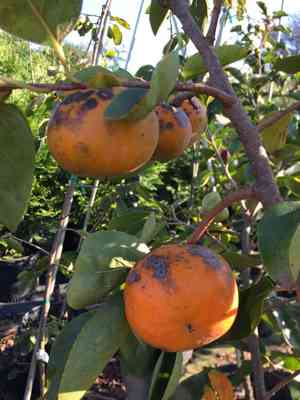
Japanese persimmon, known for its juicy, sugary fruits and brilliant autumn leaves, greatly benefits from regular trimming. Key methods include reducing crowded branches and eliminating deceased or ailing wood, which improves light exposure and air circulation. The optimal period for this task is in late winter, right before new spring growth begins. Trimming japanese persimmon can encourage the development of fruit-bearing wood, leading to abundant yields. Important points to remember involve refraining from making cuts too near the bud to safeguard developing shoots.
What Are the Benefits of Pruning Japanese Persimmon?
What Are the Benefits of Pruning Japanese Persimmon?
Trimming japanese persimmon encourages more abundant fruit production and robust growth. Strategic branch removal helps maintain an ideal shape for sun exposure, boosting overall yield and tree vitality.
What Is the Best Time for Pruning Japanese Persimmon?
What Is the Best Time for Pruning Japanese Persimmon?
Pruning japanese persimmon in late winter is optimal as it allows for the removal of any dead or diseased wood before the plant's active spring growth. This timing minimizes stress on japanese persimmon, as it's still dormant and recovers more efficiently. It also prevents the loss of the current year's fruit, since japanese persimmon blooms on new wood. Late winter pruning also offers a clearer view of the plant's structure due to absent foliage, enabling more precise cuts and healthier growth patterns.
What Tools Do I Need to Prune Japanese Persimmon?
Hand Pruners
Perfect for cutting slender branches and twigs on japanese persimmon, enabling accurate cuts without harming the plant.
Loppers
Useful for reaching deeper into the japanese persimmon's canopy and trimming branches typically up to 2 inches in diameter, providing both reach and leverage.
Pruning Saws
Essential for removing larger branches from japanese persimmon that hand pruners and loppers cannot manage effectively.
Pole Pruners
Ideal for cutting branches that are out of reach, particularly helpful for taller japanese persimmon trees without needing a ladder.
Hedge Shears
Suitable for shaping japanese persimmon if grown as a hedge or for formal garden designs, allowing for uniform and clean cuts across multiple stems.
Gloves and Safety Equipment
Crucial for protecting hands and eyes while pruning japanese persimmon, as the task can be hazardous without proper safeguards.
How to Prune Japanese Persimmon
Step1: Timing Pruning for Dormant Season
Determine the optimal time for pruning japanese persimmon, which is during its dormant period (late winter to early spring) before new growth commences.
Step2: Sterilize Pruning Tools
Sanitize your pruning tools using a solution of one part bleach to nine parts water to prevent disease transmission to japanese persimmon.
Step3: Remove Dead Wood
Inspect japanese persimmon for dead wood, often identifiable by a lack of buds, dry and brittle texture, and a darker hue than live branches. Use clean cuts to remove this wood where it meets healthy tissue.
Step4: Prune Diseased Branches
Look for diseased branches, indicated by discoloration, unusual growths, or signs of insect infestation. Prune these branches well below the affected area, several inches into healthy wood, to stop disease spread.
Step5: Trim Broken Limbs
Remove broken limbs by making clean cuts just above an outward-facing bud or at the branch collar where the branch joins the trunk or another branch. This promotes new, healthy branch growth.
Step6: Thin Overcrowded Branches
After removing dead, diseased, or broken limbs, assess the overall shape of japanese persimmon. Thin out congested branches to improve light and air circulation, which helps reduce disease risk.
Step7: Cut Crossing Branches
Cut back any branches that cross or rub against each other, as this can create wounds and make japanese persimmon more vulnerable to pests and diseases.
Step8: Improve Form and Airflow
Thin the interior of japanese persimmon by removing some smaller branches to enhance the tree's form and improve sunlight penetration and air circulation.
Step9: Angle Cuts for Water Runoff
Make all cuts at a 45-degree angle, slanting away from the bud, to encourage water runoff and prevent disease.
Step10: Seal Large Pruning Wounds
Seal large wounds with pruning paint to protect against pests and diseases, though smaller cuts typically heal without treatment.
Step11: Discard Pruned Material
Dispose of pruned material away from japanese persimmon to prevent any potential spread of disease, especially if the removed limbs were diseased.
Step12: Water After Pruning
Water japanese persimmon thoroughly after pruning to aid its recovery from the stress of cutting and to stimulate new growth.
Post-Pruning Care for Japanese Persimmon
Post-Pruning Care for Japanese Persimmon
Immediately after pruning japanese persimmon, ensure clean cuts to minimize stress and disease exposure. Maintain a stable environment; avoid intense direct sunlight, provide moderate humidity, and keep temperatures consistent. Apply a balanced fertilizer to support recovery, but avoid over-fertilization which can stress japanese persimmon. Monitor for wilting, discoloration, or seepage as signs of stress or infection. If such signs appear, evaluate for pests or diseases and treat appropriately with fungicides or insecticides. Regularly check and adjust care as japanese persimmon recovers.
Common Pruning Mistakes with Japanese Persimmon
Avoid Cutting Close to Trunk; Leave a Stub for Healing
Pruning branches too near the trunk can harm the collar, vital for wound healing. Leaving a small stub benefits japanese persimmon's recovery.
Do Not Over-Prune; Removing Excessive Canopy Stresses Plant
Removing too much of the tree at once can stress japanese persimmon, as it relies on its foliage for photosynthesis and nutrients. Avoid removing more than 25-30% of the canopy in a single pruning session.
Regularly Remove Dead or Diseased Branches for Health
Ignoring dead, diseased, or crossing branches can lead to unhealthy growth and potential damage. Regular inspection and removal of these branches are crucial for maintaining japanese persimmon's overall health.
Make Clean Cuts; Tearing Bark Harms Plant's Recovery
Ripping or tearing the bark when cutting larger branches can create wounds susceptible to disease and pests. Clean, precise cuts are necessary for the well-being of japanese persimmon.
Sanitize Tools Between Cuts to Prevent Disease Spread
Failing to sanitize pruning tools between cuts can spread disease to healthy parts of japanese persimmon. It is essential to clean tools, especially when moving between different trees or after cutting diseased wood.
Common Pruning Tips for Japanese Persimmon
Thin Canopy Selectively for Better Light and Air Flow
Selectively thin the canopy to enhance air circulation and light penetration, which is important for fruit development and reducing disease pressure in japanese persimmon.
Use Three-Cut Method for Large Limbs to Prevent Tearing
Employ the three-cut method for removing larger limbs: First, make an undercut outside the branch collar. Second, make a top cut further out than the first to prevent tearing. Third, remove the stub at the branch collar.
Prune with Tree Shape in Mind for Balanced Growth
Consider the tree's overall shape and structure while pruning to maintain or improve japanese persimmon's natural form and promote stable, balanced growth.
Clean and Sharpen Tools for Precise Cuts and Healing
Regularly clean and sharpen pruning tools to ensure they make clean, precise cuts that are easier for japanese persimmon to heal.
Use Heading Cuts on Young and Thinning on Mature Trees
Where appropriate, use heading cuts on young trees to encourage branching and thinning cuts on mature trees to remove excess foliage, both contributing to a well-shaped and productive japanese persimmon.
Prune in Stages to Reduce Stress on Plant
Prune in stages if a significant reduction in canopy size is necessary, spreading the work over several seasons to mitigate stress on japanese persimmon.



