How to Prune Lucky bamboo?
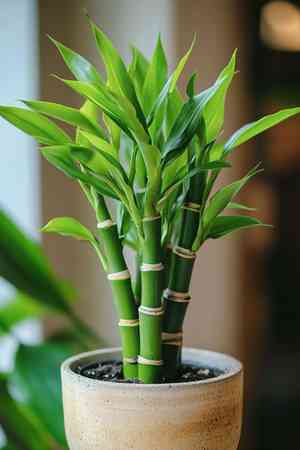
Frequently cultivated as an indoor decorative plant, lucky bamboo flourishes with little upkeep. To ensure vigorous development, remove discolored or impaired foliage and shorten stalks to stimulate new shoots. The ideal period for trimming is in the colder months when its growth rate is reduced. Employ sanitized cutting tools to avert the transmission of pathogens. Trimming not only preserves its structure but also revitalizes the plant, fostering a dense, contained appearance. Refrain from excessive pruning, as this can cause stress to lucky bamboo and hinder its development.
What Are the Benefits of Pruning Lucky Bamboo?
What Are the Benefits of Pruning Lucky Bamboo?
Trimming lucky bamboo promotes vigorous development and maintains its intended form. This results in a healthier, more visually appealing plant that flourishes in its environment.
What Is the Best Time for Pruning Lucky Bamboo?
What Is the Best Time for Pruning Lucky Bamboo?
Winter is considered the optimal period to trim lucky bamboo, as this season typically aligns with a slower growth phase for the plant. During this time, the plant's metabolic activity is reduced, making it less susceptible to stress from trimming. Pruning in winter allows lucky bamboo to recuperate and channel its energy towards healing cuts, preventing the loss of vital sap that might otherwise occur during active growth periods. Trimming during dormancy also helps stimulate new growth in spring, ensuring a robust and healthy plant. This timing avoids disrupting the growth cycle in spring and summer, when lucky bamboo is more focused on leaf development. By adhering to this guideline, gardeners can help preserve the plant's health and appearance without interfering with its natural growth patterns.
What Tools Do I Need to Prune Lucky Bamboo?
Sharp, Clean Scissors
Perfect for making precise cuts on slender stems. Lucky bamboo's characteristic cane-like structure necessitates a clean cut to prevent splintering and harm. According to reliable horticultural sources, scissors used should be sanitized to prevent disease transmission.
Pruning Shears
Utilized for thicker lucky bamboo stems, these offer a more robust and clean cut. They are ergonomically designed to minimize damage to the plant's structure.
Gloves
Safeguard the gardener's hands from potential irritation, as some individuals may be sensitive to lucky bamboo's sap.
Rubbing Alcohol or Disinfectant
To sanitize the blades before and after use, ensuring they are free of pathogens that could harm lucky bamboo.
How to Prune Lucky Bamboo
Step1: Identify Yellow Leaves and Withered Stems
Pinpoint the parts of lucky bamboo that require trimming. Look for yellow leaves and withered stems, which indicate the plant's natural shedding process or potential health issues needing attention.
Step2: Sterilize Pruning Tools
Prepare a clean, sharp pair of scissors or pruning shears. Sanitize the blades with rubbing alcohol to prevent the spread of disease from other plants.
Step3: Cut Yellow Leaves at Base
For yellow leaves, cut close to the base of the unwanted leaf, ensuring you do not harm adjacent healthy tissues. Make a clean, swift cut to minimize stress to lucky bamboo.
Step4: Locate Healthy Node on Withered Stem
For withered stems, find a healthy node below the damaged area. A node is a small bump or swelling where leaves and roots are capable of growing.
Step5: Prune Above Node at Angle
Cut the withered stem approximately 1/4 inch above the chosen node at a slight angle, which will encourage new growth and help prevent water from accumulating on the cut surface.
Step6: Dispose of Pruned Material
After trimming the yellow leaves and withered stems, discard the removed plant material to reduce the potential spread of disease or pests.
Step7: Water Plant Post-Pruning
Water lucky bamboo sufficiently after trimming, ensuring you do not over-water as lucky bamboo is sensitive to excessively moist soil conditions.
Step8: Monitor Plant for New Growth
Observe lucky bamboo over the next few weeks for signs of new growth from the trimmed nodes. Adequate light and proper watering will support lucky bamboo's recovery and new development.
Post-Pruning Care for Lucky Bamboo
Post-Pruning Care for Lucky Bamboo
Immediately after trimming lucky bamboo, clean cuts should be made to prevent infection. Place the plant in moderate, indirect light, maintaining temperatures between 65-75°F (18-24°C), and humidity around 50-60%. Avoid overwatering, but keep the soil consistently moist. Apply a diluted liquid fertilizer monthly to encourage growth. Monitor the pruning sites for browning or oozing, which could indicate stress or infection. Promptly remove any yellow leaves or rot signs to promote a healthy recovery.
Common Pruning Mistakes with Lucky Bamboo
Over-Pruning Shock
Trimming too much of lucky bamboo at once can shock the plant, potentially hindering its growth or causing dieback.
Dull or Dirty Tools Damage
Using dull or unsanitized trimming tools can harm lucky bamboo's stalks and introduce diseases.
Indiscriminate Cutting Harm
Cutting lucky bamboo without understanding its growth pattern may lead to undesirable shapes or thinning of foliage.
Misguided Removal of Green Shoots
Removing healthy green shoots, which are vital for the continued growth and vigor of lucky bamboo.
Neglecting to Remove Damaged Foliage
Ignoring yellow or damaged leaves during the trimming process, which should be removed to maintain plant health.
Common Pruning Tips for Lucky Bamboo
Use Sharp, Sterile Pruning Tools
Utilize sharp and sterile cutting instruments to make clean cuts on lucky bamboo, minimizing stress and the risk of infection.
Prune Sparingly to Encourage Growth
When trimming lucky bamboo, aim to remove only about one-third of the growth to avoid stressing the plant and to encourage new shoots.
Promote Branching by Pruning Above New Growth
Identify the part of lucky bamboo where new growth is emerging; cut just above this point to promote healthy branching.
Remove Unhealthy Leaves to Redirect Energy
Target yellow, brown, or wilted leaves and stems for removal, helping lucky bamboo direct energy to healthier parts.
Prune with Desired Shape in Mind
Consider the overall shape and design you desire for lucky bamboo before trimming, to encourage a balanced and attractive appearance.
Care for Plant Post-Pruning
After trimming lucky bamboo, care should be taken to provide appropriate water and light to support recovery and new growth.



