How to Prune Purple coneflower?
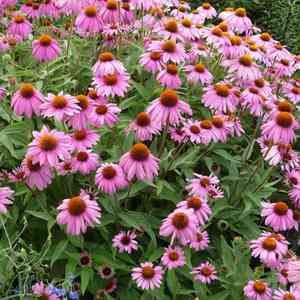
This enduring herbaceous species is recognized for its daisy-like blossoms featuring violet petals and prominent central cones. For purple coneflower, remove faded blooms to encourage additional flowering. Snip off any lifeless or injured stalks to preserve the plant's well-being and structure. The ideal period for trimming extends from the beginning of spring until the end of autumn, coinciding with the plant's primary development stages. Pruning stimulates robust development and boosts flower yield in purple coneflower, simultaneously aiding in disease prevention by improving air movement.
Advantages of Trimming Purple Coneflower
Advantages of Trimming Purple Coneflower
Trimming purple coneflower promotes more abundant flowering, stimulates vigorous development, and maintains a compact, attractive shape. This selective removal of spent blooms and unruly branches ensures energy is directed towards robust health and flower production.
Optimal Period for Pruning Purple Coneflower
Optimal Period for Pruning Purple Coneflower
Pruning in early spring is ideal as it coincides with purple coneflower's initial growth phase, allowing gardeners to shape the plant and remove any dead or damaged foliage from winter, fostering healthier and more robust growth. Late autumn, once flowering has concluded, is another suitable time for pruning purple coneflower. This timing helps prepare the plant for dormancy, removes spent flowers to encourage new growth next season, and maintains an appealing form. Pruning outside these periods, especially during peak flowering, can diminish the plant's blooming capacity and overall vitality.
Required Tools for Pruning Purple Coneflower
Hand Pruners
Perfect for cutting back dead or faded flowers of purple coneflower. Bypass pruners ensure clean cuts without crushing stems, aiding quicker recovery.
Pruning Shears
These are utilized for shaping and thinning purple coneflower. They enable precise work and can effectively manage the relatively slender stems.
Garden Scissors
Appropriate for deadheading and trimming small, delicate areas of purple coneflower, particularly for removing faded blooms to encourage further flowering.
Long-Handled Loppers
Beneficial for reaching into the core of mature purple coneflower without harming surrounding plants and providing leverage for thicker stems.
Gardening Gloves
Protects hands from nicks and scrapes when handling purple coneflower, which may possess sturdy, sometimes rough, stems.
Disinfectant
To sanitize tools before and after pruning purple coneflower to prevent the spread of disease among garden plants.
How to Prune Purple Coneflower
Step1: Tool Preparation
Ready the necessary implements for pruning purple coneflower, including a pair of sharp hand pruners, gloves, and a disinfectant for the tools.
Step2: Dead Flower Identification
Locate the dead flowers on purple coneflower. These will appear brown and dry in contrast to the vibrant purple of healthy blooms.
Step3: Cutting Dead Blooms
Using the pruners, snip the dead flowers just above the first set of healthy leaves beneath the spent bloom. Make the cut at a 45-degree angle to prevent water from collecting on the cut surface, which could lead to rot.
Step4: Withered Leaf Assessment
Inspect purple coneflower for any withered or yellowing leaves. Such leaves can deplete purple coneflower's resources and may also harbor diseases or pests.
Step5: Removing Withered Leaves
Carefully trim away the withered leaves at their base, where they connect to the main stem or a healthy set of leaves, without damaging new foliage.
Step6: Diseased Stem Detection
Look for any diseased stems on purple coneflower, indicated by discoloration, unusual spots, or deformities.
Step7: Diseased Stem Removal
Prune any diseased stems down to the ground or to the point of healthy tissue, ensuring all affected areas are removed. Disinfect the pruners between each cut to avoid spreading pathogens.
Step8: Debris Disposal
Gather all removed flowers, leaves, and stems and properly discard them away from the garden to prevent the spread of diseases or pests.
Step9: Shaping the Plant
Lightly shape purple coneflower if needed by trimming back overgrown or leggy stems to maintain an appealing form. Always cut back to a set of leaves or a branching point to encourage healthy new growth.
Step10: Post-Pruning Care
After completing the pruning, provide purple coneflower with adequate water and a balanced fertilizer to promote recovery and new growth.
Post-Pruning Care for Purple Coneflower
Post-Pruning Care for Purple Coneflower
Immediately after pruning purple coneflower, ensure the cut areas are clean to prevent infection. Position purple coneflower in a spot with ample sunlight but shield from intense afternoon heat. Maintain moderate humidity and a temperature range of 60-70°F. Post-pruning, apply a balanced fertilizer to encourage growth and aid recovery. Water sufficiently, allowing soil to dry slightly between watering sessions. Regularly check purple coneflower for signs of stress, such as wilting or discoloration. If symptoms are observed, adjust care and consult a horticulture expert if necessary.
Common Pruning Errors with Purple Coneflower
Excessive Pruning Reduces Plant Vitality
Pruning purple coneflower too aggressively, which can stress the plant and diminish its vigor. Removing too much foliage or too many flowers can limit the plant's ability to photosynthesize and store energy for the subsequent blooming season.
Dull Tools Cause Plant Damage
Utilizing dull or unclean pruning tools, which can harm purple coneflower's stems and potentially introduce disease. Clean cuts are vital for the plant's health.
Unplanned Pruning Affects Plant Shape
Pruning purple coneflower randomly or without a clear goal, which can result in a misshapen plant. Consistent and strategic pruning helps maintain the desired form and promotes more robust growth.
General Pruning Advice for Purple Coneflower
Sharp Shears for Healthy Cuts
Employ sharp, clean shears to make precise cuts on purple coneflower, which will heal more quickly and reduce the likelihood of disease transmission.
Prune Above Buds for Fuller Growth
Prune purple coneflower just above a leaf node or bud to encourage branching and denser growth. This can lead to a more aesthetically pleasing shape and fuller foliage.
Deadheading and Light Pruning for Reblooming
After blooming, deadhead spent flowers to promote additional blooms and prevent the plant from investing energy into seed production unless seed collection is desired. Lightly prune about a third of the plant's overall height to encourage new growth and maintain a manageable size.



