How to Prune Southern globethistle?
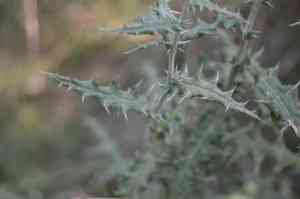
A robust perennial, Echinops ritro is recognized by its globular blue inflorescences. Deadhead faded flowers to stimulate fresh development and preserve visual appeal. The ideal period for trimming is from early spring to late autumn, avoiding the blooming phase to prevent severing nascent buds. Sever aged stalks near the soil level to foster robust, bushy growth. Trimming boosts plant vitality by improving air movement. Removing spent blossoms enhances the subsequent season's flowering and manages natural propagation.
Advantages of Trimming Southern Globethistle
Advantages of Trimming Southern Globethistle
Trimming southern globethistle promotes more abundant flowering, stimulates growth, and helps maintain its desired form. Strategic cuts enhance its health and vigor, directly impacting the plant's aesthetic appeal and longevity.
Optimal Period for Pruning Southern Globethistle
Optimal Period for Pruning Southern Globethistle
Pruning southern globethistle in early spring supports robust new growth, as the plant is emerging from dormancy and hasn't yet used energy for foliage production. The plant's structure is also more visible before leaves emerge, allowing for more precise cuts. In late fall, southern globethistle has finished its growth and flowering, making it safe to trim without affecting future blooms. Additionally, pruning at this time helps prevent diseases and pests that are more common in warmer months. By following these guidelines, gardeners ensure the vitality of southern globethistle, as well as its beauty and bloom quality for the next season.
Tools Required for Pruning Southern Globethistle
Hand Pruners
Perfect for precise cuts on southern globethistle, hand pruners are suitable for trimming small stems and removing faded flowers to encourage more blooming and prevent self-seeding.
Gardening Gloves
When handling southern globethistle, gardening gloves are crucial to protect hands from the plant's spiky leaves and stems.
Long-handled Loppers
For reaching into and shaping the dense growth of southern globethistle, long-handled loppers offer leverage for thicker stems, improving reach and accuracy without disrupting the plant's structure.
Pruning Saw
If southern globethistle has developed woody stems too thick for hand pruners or loppers, a pruning saw is essential for clean cuts without harming the plant or the tool.
Garden Shears
For shaping and trimming the outer edges of southern globethistle, garden shears can be used effectively to create a neat overall appearance.
Cleaning Solution
To prevent disease spread when pruning southern globethistle, a cleaning solution should be used to sanitize tools between cuts, especially when moving between different plants.
How to Prune Southern Globethistle
Step1: Inspect Plant for Spent Blooms
Examine southern globethistle in late winter or early spring before new growth begins. Look for spent blooms from the previous year, as these should be the first to be pruned.
Step2: Remove Spent Blooms
Using clean and sharp secateurs, cut off the spent blooms. Make the cut 1/4 inch above a bud or branching point on the stem. This will promote healthy new growth and potentially more flowering sites.
Step3: Eliminate Withered Stems
Identify withered stems on southern globethistle, which are stems that have died back and turned brown or gray. These stems will not produce new growth and can be removed to improve air circulation and overall plant health.
Step4: Trim Withered Stems at Base
Prune the withered stems at the base, near the ground level. Be careful to avoid damaging any emerging new growth. Clean cuts help prevent disease and pest invasion.
Step5: Shape the Plant
After pruning spent blooms and withered stems, examine the overall shape of southern globethistle. Lightly shape the plant if necessary, but keep in mind that southern globethistle has a naturally rounded habit and major shaping is not required.
Step6: Clear Pruned Material
Discard all pruned material in a compost bin or dispose of it to prevent any disease or pest spread. Ensure that the pruned material does not remain around the southern globethistle, which could invite pests or diseases.
Step7: Sanitize Pruning Tools
Clean your pruning tools after finishing. Disinfect them with rubbing alcohol or bleach solution to prevent the spread of any potential pathogens to other plants.
Step8: Water and Mulch Plant
Water southern globethistle deeply after pruning to encourage strong root growth and to settle any soil that may have been disturbed. Mulch around the plant to retain moisture and suppress weeds.
Step9: Monitor Plant Health Post-Pruning
Monitor southern globethistle for signs of pests, diseases, or other stress factors after pruning and address any issues promptly to maintain plant health.
Post-Pruning Care for Southern Globethistle
Post-Pruning Care for Southern Globethistle
Immediately after pruning southern globethistle, begin watering to hydrate and reduce transplant shock. Provide filtered sunlight, maintaining a temperature range of 60-70°F, with moderate humidity levels. Apply a balanced, slow-release fertilizer to replenish nutrients and encourage vigorous growth. Monitor the plant for wilting, discoloration, or signs of infection, ensuring to remove any affected parts promptly. Adjust care as necessary to support southern globethistle's recovery and thriving.
Common Pruning Errors with Southern Globethistle
Excessive Pruning
Cutting back southern globethistle too severely can stress the plant, potentially leading to fewer blooms. It's important not to remove more than a third of the plant at a time.
Using Unsanitized Tools
Not sterilizing tools before pruning southern globethistle can introduce diseases. Always clean your tools before moving on to a different plant.
Neglecting Deadheading
Avoiding the removal of spent flowerheads on southern globethistle can lead to self-seeding and potentially invasive behavior, especially in areas where southern globethistle is known to spread easily.
Ignoring Natural Plant Shape
Pruning southern globethistle without considering the plant's natural form might result in an undesirable appearance or even harm plant health.
Leaving Dead Stems
Neglecting to remove dead or damaged stems can hinder southern globethistle's growth and blooming potential as it expends energy on maintaining these unproductive parts.
General Pruning Advice for Southern Globethistle
Deadheading to Encourage Blooms
Regularly deadhead southern globethistle by cutting spent blooms back to the base of the flower stem, which encourages further flowering and prevents unwanted self-seeding.
Thinning for Shape and Airflow
Prune southern globethistle to maintain a tidy shape and promote good air circulation within the plant by thinning out crowded stems, especially in the plant's center.
Rejuvenation by Old Stem Removal
In late winter or early spring, remove any old, woody stems at the base to rejuvenate southern globethistle and stimulate new growth that will bloom the following season.
Angled Cuts for New Growth
When using shears to prune southern globethistle, make clean cuts at a 45-degree angle just above a leaf node or bud to encourage new branches to grow.
Sharp and Sterile Tool Use
Use sharp and sterile pruning tools to make precise cuts, which help southern globethistle recover quickly and reduce the risk of disease.



