How to Prune Virginia wild rye?
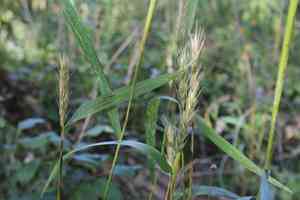
Recognized for its sturdy clusters of thin, vertical stalks, virginia wild rye benefits most from trimming in late winter or early spring. To foster strong development and preserve a neat look, eliminate any deceased or compromised leaves and guarantee ample room for emerging sprouts. Trimming additionally aids in cultivating thicker foliage by encouraging new development. Precise timing significantly improves the plant's inherent growth pattern and guarantees peak vitality and visual appeal. This upkeep guarantees a vibrant, naturalized presence in the landscape.
What Are the Benefits of Pruning Virginia Wild Rye?
What Are the Benefits of Pruning Virginia Wild Rye?
Trimming virginia wild rye promotes robust regrowth and helps maintain its desired shape. Strategic cuts enhance the plant's structure, ensuring it remains healthy and visually appealing.
What Is the Best Time for Pruning Virginia Wild Rye?
What Is the Best Time for Pruning Virginia Wild Rye?
Cutting virginia wild rye in late winter or early spring is optimal, aligning with the plant's dormant period before new growth emerges. This timing avoids unnecessary stress and reduces the risk of disease or pest issues that can arise from cuts made during active growth or flowering. Pruning during this window also allows for the removal of any dead or damaged leaves from the prior season, contributing to healthier and more vigorous growth in the upcoming season. Additionally, since virginia wild rye begins its growth cycle in spring, pruning in late winter or early spring helps shape the plant for the active growth period ahead.
What Tools Do I Need to Prune Virginia Wild Rye?
Grass Shears
For shaping and trimming the foliage of virginia wild rye, grass shears provide precision and ease of use. They allow gardeners to cut at specific angles and heights, preserving the plant's natural form while managing its size and removing dead or damaged blades.
Hand Pruners
These are suitable for cutting through the thicker stems of virginia wild rye. Hand pruners can help thin out clumps if necessary, and they provide a clean cut that can aid in disease prevention.
Scissors or Snips
For snipping delicate seed heads or performing light trimming on virginia wild rye, sharp scissors or garden snips offer meticulous control and minimal damage to surrounding foliage.
How to Prune Virginia Wild Rye
Identification
Examine virginia wild rye closely to find diseased and withered leaves. Look for discolored, spotted, or rotting leaves, which indicate illness.
Sterilization
Sanitize pruning shears or scissors with rubbing alcohol or a bleach solution to prevent disease transmission during the pruning process.
Trimming Diseased Leaves
Carefully remove diseased leaves by cutting at the base where the leaf meets the stem. Avoid tearing or harming the stem to prevent undue stress to virginia wild rye.
Trimming Withered Leaves
Trim withered leaves, which are typically dry or brown, in the same manner as diseased leaves, ensuring clean cuts that do not harm virginia wild rye's healthy tissues.
Disposal
Properly dispose of removed diseased and withered leaves, away from virginia wild rye and other plants, to minimize the risk of disease spread.
Common Pruning Mistakes with Virginia Wild Rye
Over-pruning
Removing too much foliage from virginia wild rye can stress the plant, leading to reduced vigor and fewer seed heads.
Improper cut placement
Cutting virginia wild rye too close to the base or too far from a node may cause damage to the plant or inhibit new growth.
Using dull tools
Pruning virginia wild rye with dull tools can result in jagged cuts, which make the plant more susceptible to pests and diseases.
Ignoring dead material
Failing to remove dead or diseased foliage from virginia wild rye can stunt growth and spread disease throughout the plant.
Common Pruning Tips for Virginia Wild Rye
Selective pruning
For virginia wild rye, selectively remove older stems to encourage new growth and maintain plant health.
Clean cuts
Make clean cuts at an angle near the node to promote healing and prevent disease in virginia wild rye.
Tool care
Ensure pruning tools are sharp and sterilized before use to make precise cuts and prevent the spread of disease in virginia wild rye.
Monitor health
Regularly inspect virginia wild rye for signs of pests or diseases when pruning, and remove any affected parts promptly to maintain plant health.



