How to Prune Flame violet?
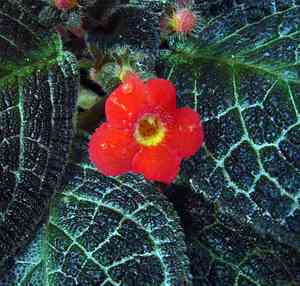
Known for its vivid leaves and blossoms, flame violet flourishes with consistent trimming to foster a denser form and increased flower yield. Snip the ends of developing stalks and eliminate any elongated, lifeless, or decaying sections. The ideal period for pruning extends from the beginning of spring to the close of autumn, aligning with the plant's vigorous development stage. Trimming beyond this timeframe may hinder blooming. Regular pruning aids flame violet by preserving an appealing structure, encouraging robust development, and boosting its capacity to flower.
What Are the Benefits of Pruning Flame Violet?
What Are the Benefits of Pruning Flame Violet?
Trimming flame violet is crucial for maintaining its vigorous growth and desired shape. Regular cutting promotes a denser structure, thereby enhancing the plant's visual appeal.
What Is the Best Time for Pruning Flame Violet?
What Is the Best Time for Pruning Flame Violet?
These periods are ideal as they coincide with flame violet's active development phase. Pruning in early spring encourages a robust start to the growing season, as the plant emerges from its slower winter dormancy. Trimming in late autumn allows for the removal of any leggy growth before the winter rest, minimizing stress during its peak growth. This timing also helps maintain flame violet's compact form and abundant blooms, as late pruning can remove flower buds and reduce flowering potential. These practices ensure flame violet remains healthy, with improved foliage density and vibrant blossoms during its blooming period.
What Tools Do I Need to Prune Flame Violet?
Small Scissors or Snips
Given the delicate nature of flame violet's leaves and stems, small scissors or snips are perfect for making accurate cuts without harming the plant. These instruments enable careful removal of dead or yellowed leaves, as well as shaping the plant.
Fine Pruning Shears
For healthier, thicker stems, fine pruning shears can be utilized, as they provide a clean cut that helps prevent damage to plant tissues, which is important for flame violet's recovery and continued development.
Tweezers
Due to the dense foliage and intricate growth patterns of flame violet, tweezers can be used to extract any dead or decaying material without disturbing the surrounding leaves and flowers.
Disinfectant for Tools
To prevent the spread of diseases when pruning flame violet, sanitizing pruning tools before and after use is essential. This will help maintain the plant's health. A simple disinfectant can be created by diluting household bleach with water.
How to Prune Flame Violet
Step1: Tool Preparation
Prepare the necessary tools such as sharp pruning shears or scissors. Ensure they are clean to prevent the spread of disease.
Step2: Locating Spent Blooms
Examine flame violet for old blooms. Locate the stem beneath the spent flower and follow it back to the first set of healthy leaves.
Step3: Cutting Above Leaf Sets
Make a clean cut just above the set of leaves where the old bloom is connected. Ensure the cut is angled away from the center of the plant to avoid water accumulation that could lead to rot.
Step4: Removing Dead Foliage
Search for any dead or yellowing leaves. Only remove leaves that are completely dead or more than 50% damaged, as partially damaged leaves can still contribute to photosynthesis.
Step5: Precise Dead Leaf Removal
Make a clean cut at the base of the dead leaf where it meets the stem, being careful not to damage adjacent healthy leaves or stems.
Step6: Thinning for Airflow
Thin out dense areas to improve air circulation if the center of flame violet is congested, by selectively removing a few of the inner leaves or stems.
Step7: Reshaping the Plant
Reshape flame violet to maintain a bushy and attractive appearance by pruning longer stems. Cut these stems back to a desired length, ideally just above a leaf node to encourage new growth.
Step8: Cleanup of Debris
After pruning, clean up all removed material from the pot or area to prevent any potential pests or diseases from lingering.
Step9: Post-Pruning Watering
Water flame violet lightly after pruning to help it recover, but be cautious not to overwater as this could increase the risk of root rot, especially if flame violet was significantly pruned back.
Step10: Growth Monitoring and Maintenance
Monitor flame violet for new growth, and continue to prune periodically to promote bushiness and remove any additional old blooms or dead leaves that appear in the future.
Post-Pruning Care for Flame Violet
Post-Pruning Care for Flame Violet
Immediately after trimming flame violet, ensure it is placed in a warm, humid environment with diffused light to reduce stress. Adjust temperature to 65-75°F and maintain high humidity levels. Fertilize lightly with a balanced, diluted solution to promote healing and growth. Monitor flame violet for wilting or discolored leaves, indicating stress or infection, and respond promptly by adjusting care or consulting a plant health expert.
Common Pruning Mistakes with Flame Violet
Over-Pruning Reduces Foliage and Health
Pruning too aggressively can drastically reduce the foliage of flame violet, affecting its aesthetic appeal and possibly its health.
Dull Tools Damage Stems and Increase Disease Risk
Using dull or dirty pruning tools can damage the tender stems of flame violet, leading to poor healing and increased risk of disease.
Improper Timing Reduces Bloom Count
Removing flowering shoots during pruning may reduce the number of blooms that flame violet produces.
Ignoring Dead Foliage Hinders Growth and Spreads Disease
Neglecting to remove dead or diseased leaves, which can inhibit new growth and potentially spread disease to healthy parts of the plant.
Uninformed Pruning Leads to Poor Plant Shape
Pruning without understanding the growth pattern of flame violet can result in an undesirable plant shape or uneven growth.
Common Pruning Tips for Flame Violet
Sharp Clean Cuts for Quick Healing and Disease Prevention
Use sharp, clean pruning tools to make precise cuts that will heal quickly, and to avoid spreading disease between plants.
Thinning for Air Circulation without Over-Stripping
When thinning out the foliage, focus on removing only the necessary leaves to enhance air circulation without compromising the plant's full appearance.
Prune for Shape and Health While Retaining Foliage
Regularly prune to maintain the desired shape and size of flame violet, but always leave a good amount of foliage to sustain healthy growth.
Encourage Bushiness by Pinching Shoot Tips
Carefully pinch off the tips of growing shoots to promote bushier growth and more flowering sites on flame violet.
Remove Dead Foliage to Protect Plant Health
Identify and promptly remove any dead or diseased foliage to keep flame violet healthy and prevent issues from spreading to new growth.



