How to Prune Weeping lovegrass?
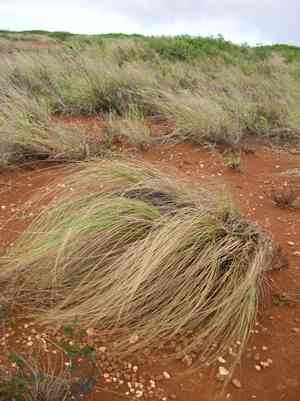
Weeping lovegrass, a perennial grass recognized for its delicate texture and cascading shape, thrives with trimming to foster compact development and neatness. Trim weeping lovegrass in early spring prior to the emergence of new shoots or during its dormant period in winter. Reduce the foliage to several inches above the soil surface. This action eliminates aged, unappealing leaves and stimulates new development. Trimming guarantees strong vitality by preventing the accumulation of thatch and encourages a rich, lively look.
Advantages of Trimming Weeping Lovegrass
Advantages of Trimming Weeping Lovegrass
Trimming weeping lovegrass encourages new development, resulting in a more robust and thick plant. This process ensures weeping lovegrass keeps an attractive shape and manages its size for aesthetic and spatial purposes.
Optimal Time for Trimming Weeping Lovegrass
Optimal Time for Trimming Weeping Lovegrass
Early spring is the best time for trimming weeping lovegrass because its dormant period is ending, which promotes quick healing of cuts and reduces stress. This timing also allows for the removal of any winter damage before new growth begins. Trimming in winter can also be beneficial, as weeping lovegrass is dormant, lowering the risk of disease spread and making the plant's structure clearer for selective cutting. These seasons help maintain the health and vitality of weeping lovegrass, while avoiding the growth period and peak summer heat that could stress the plant.
Tools Required for Trimming Weeping Lovegrass
Hand Pruners
Perfect for cutting back dead or overgrown foliage on weeping lovegrass, ensuring precise and clean cuts.
Grass Shears
Suitable for shaping and trimming the edges of weeping lovegrass, offering control over the finer details of its form.
Hedge Shears
Useful for efficiently cutting back larger areas of weeping lovegrass, practical for maintaining its weeping, grass-like appearance.
String Trimmer
Can be used for quickly and evenly cutting back weeping lovegrass, especially helpful for larger sections of the plant.
How to Trim Weeping Lovegrass
Clean and prepare tools
Sanitize all pruning shears and equipment with a solution of 1 part bleach to 9 parts water to prevent spreading diseases during trimming of weeping lovegrass.
Identify
Examine weeping lovegrass closely to identify diseased and withered leaves. Look for discoloration, spots, and any signs of decay or damage.
Cut diseased leaves
Using the sanitized pruning shears, carefully trim away diseased leaves. Cut at the base of the leaf where it connects to the stem, ensuring a clean cut without damaging nearby healthy tissue of weeping lovegrass.
Remove withered leaves
Prune withered leaves by snipping them at the base, similar to diseased leaves, to enhance air circulation and encourage healthy growth of weeping lovegrass.
Disposal
Collect all removed diseased and withered foliage and dispose of it in a way that prevents the spread of any pathogensâdo not compost.
Common Trimming Errors with Weeping Lovegrass
Incorrect cutting technique
Using dull or unsuitable tools can result in jagged cuts, increasing the likelihood of disease and pest infestation in weeping lovegrass.
Excessive pruning
Removing too much foliage at once can stress weeping lovegrass, leading to poor growth or reduced vigor.
Trimming healthy tissue
Unnecessarily cutting away healthy tissues can hinder weeping lovegrass, as they rely on their foliage for photosynthesis and energy production.
Neglecting cleanliness
Failing to clean tools between uses can spread pathogens from infected plants to healthy ones while pruning weeping lovegrass.
Ignoring plant structure
Lack of understanding weeping lovegrass's growth habit can result in pruning that does not encourage the desired form or fails to remove problematic growth.
General Trimming Advice for Weeping Lovegrass
Use of sharp tools
Always use clean, sharp pruning shears or scissors to make clean cuts on weeping lovegrass, preventing damage and disease entry points.
Pruning to thin
Thin out crowded areas to promote air circulation and light penetration, which are essential for the health of weeping lovegrass.
Removing dead tissue
Target dead, diseased, or damaged foliage for removal, as these can sap energy from weeping lovegrass and invite pests.
Maintaining natural shape
Prune weeping lovegrass in a way that maintains its natural weeping shape, enhancing both its appearance and growth pattern.
Incremental pruning
Weeping lovegrass benefits from incremental pruning throughout the growing season to manage size and shape without stressing the plant.



