How to Prune Aspen Fleabane?
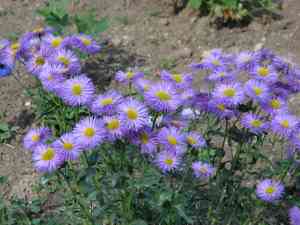
Celebrated for its abundant violet blossoms, aspen Fleabane flourishes with consistent removal of spent flowers to stimulate ongoing blooming. Essential trimming entails snipping off faded flowers and controlling elongated stems. The ideal period for pruning extends from the beginning of spring to the close of summer, coinciding with active development phases. Pruning guarantees a dense, full form, boosting the plant's general health and visual attractiveness. Cultivators ought to employ sanitized, sharp implements to avert the spread of pathogens during this operation.
What Are the Benefits of Pruning Aspen Fleabane?
What Are the Benefits of Pruning Aspen Fleabane?
Trimming aspen Fleabane promotes robust development and helps maintain its desired form. Strategic cuts can stimulate new, strong shoots and ensure aspen Fleabane stays compact and well-structured, enhancing its garden appeal.
What Is the Best Time for Pruning Aspen Fleabane?
What Is the Best Time for Pruning Aspen Fleabane?
Pruning aspen Fleabane in early spring is optimal as the plant is still inactive, which minimizes stress and allows for healthy new growth. Late summer pruning is ideal as it avoids cutting off flower buds which form on new wood, and it gives the plant a chance to harden off new growth before winter arrives.
What Tools Do I Need to Prune Aspen Fleabane?
Hand Pruners
Perfect for aspen Fleabane's slender, delicate stems, enabling precise cuts without harming the plant. Opt for bypass pruners over anvil types for clean cuts.
Pruning Shears
Useful for shaping aspen Fleabane and removing faded flowers to encourage continuous blooming and prevent self-seeding, if desired.
Gardening Gloves
Protective for hands during aspen Fleabane pruning, to prevent skin irritation from potentially rough stems and foliage.
Clean Cloth and Alcohol
For sanitizing pruning tool blades before and after use to prevent disease transmission among aspen Fleabane plants or to other species.
How to Prune Aspen Fleabane
Step1: Assess Plant Condition for Pruning Targets
Examine aspen Fleabane for any signs of dead flowers, diseased stems, or yellowing leaves by carefully inspecting the plant. Identify parts that need trimming to ensure you target the correct areas without over-pruning healthy growth.
Step2: Sanitize Pruning Shears Before Cutting
Prepare sharp, clean pruning shears. Cleanliness helps prevent the spread of plant diseases. Disinfect blades with rubbing alcohol or a 10% bleach solution, especially when trimming diseased stems to avoid cross-contamination.
Step3: Deadhead Spent Blooms to Encourage New Flowers
Begin by removing dead flowers. Deadhead spent blooms by making clean cuts just above the leaf set below the faded flower. This encourages aspen Fleabane to produce more flowers and prevents the plant from expending energy on seed production.
Step4: Excise Diseased Stems to Prevent Spread
Trim diseased stems. Identify any stems with disease signs, such as unusual spots, discoloration, or deformities. Cut these stems back to healthy tissue, ensuring the cut is at least an inch below the affected area to remove all diseased parts. Dispose of these cuttings carefully to prevent disease spread.
Step5: Trim Yellowing Leaves to Boost Health and Circulation
Remove yellowing leaves by snipping them off close to the stem. Yellow leaves do not contribute to aspen Fleabane's growth and can indicate stress or disease. Removing them improves air circulation and the plant's overall health.
Step6: Shape Plant for Ideal Growth and Aesthetics
Shape aspen Fleabane if needed. After removing undesirable parts, you can lightly trim back any unruly stems to encourage bushier growth. Make cuts just above a leaf node or a branching point to promote new growth in a favorable direction.
Step7: Dispose of Clippings to Maintain Cleanliness
Clear all clippings from around the base of aspen Fleabane to help prevent potential disease issues and keep the area tidy. Dead plant material can harbor diseases and pests.
Step8: Water Plant Post-Pruning for Recovery
Water the plant after pruning to help aspen Fleabane recover and reduce stress. Ensure you water at the base and avoid overhead watering that can promote disease spread, especially if leaves are still wet in the evening.
Step9: Observe New Growth and Monitor Plant Health Post-Pruning
Monitor aspen Fleabane after pruning for signs of new growth or any further issues. Remember that proper care and maintenance, including adequate sunlight, watering, and fertilization, will keep aspen Fleabane healthy and reduce the need for frequent pruning.
Post-Pruning Care for Aspen Fleabane
Post-Pruning Care for Aspen Fleabane
Immediately after trimming aspen Fleabane, ensure it's gently watered to alleviate stress. Maintain a well-lit environment, but avoid direct, harsh sunlight. Ideal post-pruning conditions include moderate humidity and temperature, avoiding extremes. Apply a balanced, slow-release fertilizer to replenish nutrients; refrain from over-fertilizing. Monitor aspen Fleabane regularly for any signs of stress or infection, such as wilting or discoloration. If symptoms arise, promptly treat with appropriate fungicides or pest control methods, following manufacturer's guidelines. Regular observation and gentle care are crucial for successful recovery and vigor of aspen Fleabane.
Common Pruning Mistakes with Aspen Fleabane
Over-pruning reduces plant vigor
Trimming back too severely, which can stress the plant and diminish its vitality.
Tool sterilization prevents disease
Failing to sterilize cutting tools before pruning, risking the spread of disease to aspen Fleabane.
Remove dead material for plant health
Neglecting to remove only the spent flowers and dead or diseased stems, leading to an untidy appearance and potential health issues for the plant.
Prune according to natural shape
Ignoring the natural form of aspen Fleabane resulting in an unnatural appearance after pruning.
Avoid random pruning for even growth
Pruning haphazardly without a clear strategy, which can lead to uneven growth and poor flowering.
Prevent disease by not leaving stubs
Leaving short remnants when cutting back stems, which can lead to disease and pest infestation.
Common Pruning Tips for Aspen Fleabane
Clean cuts with sharp shears for quick healing
Use sharp, clean pruning shears to make precise cuts that will heal rapidly, preventing diseases.
Prune after flowering for shape and health
Trim aspen Fleabane immediately after blooming to maintain an attractive shape and promote healthy growth.
Thin woody stems to improve growth and circulation
Thin out aspen Fleabane by removing older, woody stems to encourage new growth and enhance air circulation.
Deadhead to stimulate new flowers
Deadhead regularly by removing faded flowers to stimulate new blooms and extend the flowering season.
Regular inspection and pruning for plant health
Inspect aspen Fleabane routinely for any signs of disease or pests and trim affected areas promptly to maintain plant health.
Prune for natural shape and tidiness
Prune to maintain the natural shape of aspen Fleabane, only removing what is necessary to keep the plant looking neat.
Cut back to leaves for branching and growth
Cut stems back to a set of leaves or a growth point to encourage branching and denser growth.
Remove crossing stems to prevent damage
Remove any crossing or rubbing stems to prevent damage and disease, and to preserve the overall structure of the plant.



