How to Prune Arugula?
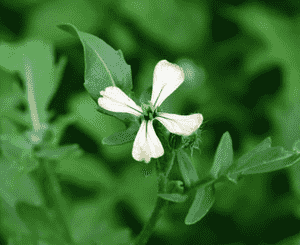
A verdant vegetable prized for its pungent taste, arugula thrives with consistent trimming to foster robust development. Essential methods involve nipping off blossoms to deter premature seeding, and removing aged external leaves to stimulate fresh greenery. The most effective time for pruning spans from early spring until late autumn, coinciding with the plant's natural growth pattern. Trimming not only manages its dimensions but also enhances air movement and overall plant strength, leading to a more bountiful yield.
Advantages of Trimming Arugula
Advantages of Trimming Arugula
Trimming arugula promotes robust development, enabling it to revitalize and produce fresh foliage. It also assists in maintaining its desired form, enhancing both visual appeal and optimal plant vitality.
Optimal Time for Trimming Arugula
Optimal Time for Trimming Arugula
Early spring is ideal for trimming arugula as it prepares the plant for a vigorous growth phase and removes any damaged or dead foliage from the winter season. Late fall trimming helps remove older leaves and prevents disease during the winter. These seasons align with arugula's growth cycle and help maintain plant health, without disrupting its natural flowering or fruiting periods.
Necessary Tools for Trimming Arugula
Hand Shears
These are perfect for snipping and shaping arugula.
Gardening Scissors
Ideal for cutting soft stems and deadheading arugula.
Bypass Pruners
For precise cuts without damaging the tender stems of arugula.
How to Trim Arugula
Step1: Remove Older Base Leaves
Identify older leaves at the base of arugula, which appear more mature or may be yellowing. These are typically the largest, oldest leaves on the plant and are the first to be removed when pruning.
Step2: Prune Damaged Leaves
Inspect arugula for any damaged leaves that may have been caused by pests, disease, or physical injury. Leaves that are discolored, have holes, or are otherwise blemished should be targeted for removal.
Step3: Cut Off Seed Pods
Look for seed pods, or siliques, which develop after arugula has flowered. These should be removed if your goal is to encourage the plant to produce more edible leaves, as the plant's energy will otherwise be directed towards seed production.
Step4: Sterilize Pruning Tools
Use clean, sharp scissors or pruning shears to make precise cuts. Sterilize your tool with rubbing alcohol before and after use to prevent the spread of disease.
Step5: Precise Old Leaf Removal
To remove old leaves, cut the leaf stem at the base where it joins the main plant. Make the cut as close to the base without harming the central stalk, ensuring a healthy regrowth.
Step6: Excise Blemished Leaves
For damaged leaves, follow the same procedure as for old leaves, removing them at the base of their stem to reduce risk of disease spreading to healthy parts of the plant.
Step7: Promote Growth by Pod Pruning
When pruning seed pods, cut the stem supporting the pod close to where it joins a main stem or just above the uppermost leaf on the stem, to promote vegetative growth.
Step8: Dispose of Debris
After pruning, dispose of the removed leaves and pods properly, keeping them away from the healthy arugula as they can harbor pests or disease.
Step9: Water Plant Post-Pruning
Water arugula after pruning to help reduce stress on the plant and encourage new leaf growth, applying water directly to the base and avoiding wetting the foliage to minimize the risk of fungal diseases.
Step10: Monitor New Growth
Monitor arugula after pruning for signs of new growth. Regularly check for and remove any further old or damaged leaves and seed pods as necessary to maintain plant health and vigor.
Post-Trimming Care for Arugula
Post-Trimming Care for Arugula
Immediately after trimming arugula, water the plant to reduce stress and encourage healing. Maintain a well-lit environment, avoiding direct harsh sunlight that can damage tender new growth. Keep the temperature around arugula between 60-70°F with moderate humidity. Support arugula's recovery by applying a balanced, diluted liquid fertilizer to replenish nutrients. Monitor arugula frequently for wilted leaves or discoloration indicating stress or infection. If such signs are present, adjust care accordingly and consider a fungicide for infections.
Common Trimming Errors with Arugula
Avoid Excessive Trimming at Once
Over-Trimming: Gardeners sometimes remove too much of arugula at once, which can weaken the plant and reduce its yield.
Balance Trimming Between Old and New Leaves
Trimming old leaves only: Novices often focus on removing older, lower leaves and overlook the importance of thinning the upper foliage to improve air circulation.
Use Sharp, Clean Trimming Tools
Using Dull or Dirty Tools: Cutting arugula with dull or dirty pruning tools can damage its delicate leaves and introduce disease.
Common Trimming Tips for Arugula
Encourage Growth Through Regular Harvesting
Regular Harvesting: Regularly harvest the outer leaves of arugula, which also doubles as a gentle form of pruning to encourage new growth.
Improve Light and Air by Selective Thinning
Selective Thinning: Thin out dense areas by selectively pruning crowded leaves, especially in the center of the plant, to increase sunlight penetration and air circulation.
Ensure Precise Cuts with Sharp Tools
Clean Cuts: Make sure to use sharp, clean scissors or pruners to make precise cuts and avoid tearing the leaves of arugula, which can minimize stress and disease risk.



