How to Prune Mottlecah?
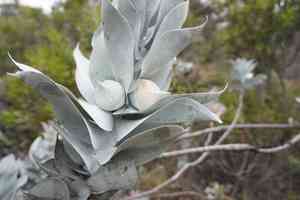
Distinguished by its prominent, vibrant blossoms and metallic, circular foliage, mottlecah flourishes with infrequent trimming, primarily to preserve its form and well-being. The most effective time for pruning is during the winter season while the plant is inactive, which lessens the chance of strain and boosts its capacity for blooming. Eliminate any deceased or ailing branches to hinder the dissemination of illnesses. Trimming mottlecah not only strengthens its foundational structure but also encourages energetic development, guaranteeing a splendid exhibition of its unique flowers.
What Are the Benefits of Pruning Mottlecah?
What Are the Benefits of Pruning Mottlecah?
Trimming mottlecah encourages robust development and maintains its striking look. It aids in managing its size, ensuring mottlecah fits well in your garden space while fostering a strong and healthy structure.
What Is the Best Time for Pruning Mottlecah?
What Is the Best Time for Pruning Mottlecah?
Winter is the optimal season for trimming mottlecah because the plant is in a dormant state. Pruning during dormancy minimizes stress on mottlecah, allowing it to better allocate resources towards recovery and new growth when it resumes active growth in spring. Additionally, without leaves, the plant's structure is more visible, enabling more precise cuts. Trimming in winter also prevents the spread of diseases that are more active during warmer, wetter months. This timing helps ensure mottlecah's vitality and promotes abundant flowering in the subsequent season.
What Tools Do I Need to Prune Mottlecah?
Bypass Pruners
Perfect for making precise cuts on smaller branches of mottlecah without crushing plant tissues, which is vital for minimizing damage and encouraging rapid wound healing.
Loppers
These are useful for reaching deeper or higher branches, featuring long handles to provide greater leverage and cutting power necessary for the thicker branches of mottlecah.
Pruning Saw
A robust pruning saw is recommended for cutting through thicker branches that cannot be managed by pruners or loppers, ensuring a smooth and efficient cut on the tougher wood of mottlecah.
Pole Pruner
For the elevated branches of mottlecah, a pole pruner can be essential, especially for those who wish to maintain the plant's shape and health without using a ladder, ensuring safety while gardening.
How to Prune Mottlecah
Identify
Examine mottlecah thoroughly to locate all withered leaves, dead, and diseased branches. Focus on branches showing clear signs of drying or damage.
Disinfect
Before beginning to prune, sanitize all pruning tools to prevent disease transmission. Use a bleach or alcohol solution to wipe down the blades.
Cut withered leaves
Carefully remove withered leaves from mottlecah by cutting them at their base. Ensure clean cuts to avoid tearing, which could harm other parts of the plant.
Prune dead branches
Trim dead branches by making cuts at a 45-degree angle just above a healthy node or bud. This encourages healthier growth and prevents water accumulation which could lead to rot.
Remove diseased branches
Identify and cut out all diseased branches from mottlecah, ensuring to cut well into healthy tissue to remove all infected parts. Dispose of these immediately to prevent re-infection.
Common Pruning Mistakes with Mottlecah
Overpruning
A significant error when trimming mottlecah is removing too much foliage at once. This can stress the plant, leading to weakened defenses and reduced vigor.
Incorrect tool usage
Using dull or dirty pruning tools can harm the branches of mottlecah, resulting in jagged cuts that heal poorly and increase susceptibility to disease.
Pruning at wrong angle
Improperly angled cuts can prevent water from draining off the stem, potentially causing rot and fungal infections in mottlecah.
Ignoring diseased branches
Failing to remove diseased or damaged branches can spread infection, impacting the overall health and appearance of mottlecah.
Common Pruning Tips for Mottlecah
Use clean sharp tools
Always use clean, sharp tools to make precise cuts. This helps prevent disease and ensures rapid healing of mottlecah.
Angled cuts
Make cuts at a 45-degree angle about 1/4 inch above a bud facing outwards from the center of mottlecah. This promotes outward growth and proper water runoff.
Prune sparsely flowering branches
Remove branches that flower sparsely to redirect energy to more vigorous branches, enhancing bloom production in mottlecah.
Thinning excess branches
Thin out excessive branches in denser areas to improve air circulation and light penetration, crucial for the health and vigor of mottlecah.



