How to Prune Mediterranean spurge?
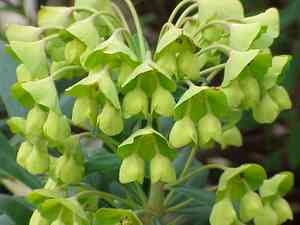
Hailing from the Mediterranean region, mediterranean spurge is a resilient, perennial evergreen recognized for its distinctive form and vivid floral structures. Trim mediterranean spurge by excising faded flower stems at their origin and shortening any excessively long branches to preserve its contour. The optimal period for this trimming is late spring or early summer, following the blooming phase, to encourage fresh development and inhibit seed scattering. Wearing gloves is crucial when working with mediterranean spurge because of its poisonous latex. Trimming revitalizes the plant, manages its dimensions, and boosts its aesthetic value.
What Are the Benefits of Pruning Mediterranean Spurge?
What Are the Benefits of Pruning Mediterranean Spurge?
Trimming mediterranean spurge promotes abundant flowering and vigorous development. Strategic cuts enhance air movement, lowering the chance of pests and illnesses. This procedure is crucial for preserving mediterranean spurge's vibrant appearance and strong vitality.
What Is the Best Time for Pruning Mediterranean Spurge?
What Is the Best Time for Pruning Mediterranean Spurge?
Trimming mediterranean spurge in late spring or early summer is advantageous as it coincides with the plant's post-bloom phase. By pruning after the flowering season, the plant experiences less stress and can recover more effectively for the subsequent growth cycle. Pruning at this time helps maintain its desired form and size, encourages healthy new shoots, and fosters prolific blooming in the next season. Late spring trimming also reveals any winter frost damage, ensuring only healthy growth remains. Early summer pruning is also ideal, preventing mediterranean spurge from becoming leggy or overgrown and aiding in sap flow management, which is less active then, reducing excessive bleeding.
What Tools Do I Need to Prune Mediterranean Spurge?
Bypass Pruners
Perfect for making clean cuts on smaller stems and branches of mediterranean spurge, minimizing harm to plant tissues.
Pruning Gloves
Given that mediterranean spurge's sap can be irritating or toxic, gloves are vital for skin protection during pruning.
Long-sleeved Shirt and Trousers
Shields the gardener's arms and legs from the sap of mediterranean spurge when trimming.
Pruning Saw
Useful for cutting through thicker branches that bypass pruners cannot manage, allowing for precision and minimal damage to mediterranean spurge.
Loppers
Offers extended reach and leverage for trimming thicker, tougher stems or branches of mediterranean spurge that are beyond hand pruner reach.
Garden Fork or Spade
To lift and separate the root ball if pruning involves managing the size and spread of mediterranean spurge through root division.
How to Prune Mediterranean Spurge
Prepare Tools
Gather and sanitize all trimming tools to prevent disease transmission during cutting. Wear gloves to protect against mediterranean spurge's sap, which can irritate skin.
Snip Diseased And Withered Leaves
Carefully remove any diseased or withered leaves from mediterranean spurge by making a clean cut at the base of the leaf stem, using precise pruners for accuracy.
Remove Dead And Diseased Branches
Cut back any dead or diseased branches on mediterranean spurge to the point of healthy tissue. Use sharp bypass pruners for a clean cut that promotes quick healing.
Trim Withered Flowers
Snip off the withered flowers of mediterranean spurge to encourage new growth and maintain a tidy appearance. Make the cuts above the first set of healthy leaves beneath the spent bloom.
Prune Excessive Growth
Reduce excessive growth branches on mediterranean spurge to maintain the desired shape and size. Trim these branches back to a lateral branch or bud that faces the direction you want new growth to follow.
Common Pruning Mistakes with Mediterranean Spurge
Overpruning
A frequent error is removing too much of mediterranean spurge at once, which can stress the plant and lead to poor growth or reduced flowering. It's important not to exceed one-third of the overall mass in a single pruning session.
Incorrect Cut Location
Cutting above leaf nodes or into old, woody growth without a clear plan can result in unsightly, uneven growth. Cut just above new buds to encourage healthy branching.
Using Dull Tools
Dull or dirty pruning tools can cause ragged cuts that are more susceptible to disease. Always use sharp, clean tools for clean cuts.
Neglecting Plant Structure
It's a mistake to prune without considering the natural shape and structure of mediterranean spurge. Ideal pruning maintains the shape while promoting light penetration and air circulation.
Pruning Haphazardly
Random or haphazard cuts can harm mediterranean spurge's aesthetic and health. Plan your approach to create a balance between maintenance and the plant's natural form.
Ignoring Plant Health
Removing healthy growth instead of focusing on dead, diseased, or damaged branches can weaken mediterranean spurge. Concentrate on cutting away the problematic parts first.
Common Pruning Tips for Mediterranean Spurge
Selective Pruning
Prune selectively, targeting overgrown or dead stems to rejuvenate mediterranean spurge and stimulate new growth. This approach encourages a more natural-looking shape and robust health.
Cleanliness
Before and after pruning mediterranean spurge, clean tools with a solution of bleach or alcohol to prevent the spread of disease.
Cut Angle
Angled cuts are important for directing new growth and preventing water buildup on the cut surface. Make your cuts at a 45-degree angle just above a growth node.
Protective Gear
Since mediterranean spurge contains sap that can be irritating to skin and eyes, wear gloves and protective eyewear when pruning to avoid contact with the sap.
Timing Follow-Up
Although explicit seasonal timing is excluded, regular follow-up after pruning helps detect any issues early and ensures that cuts heal properly without infection.
Encouraging Flowering
Trim spent flowers to promote further blooming. This not only enhances the appearance of mediterranean spurge but also focuses the plant's energy on new flower production.



