How to Prune Euphorbia pulcherrima?
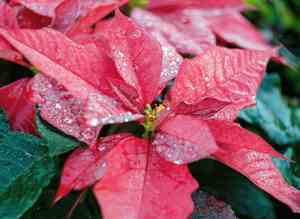
To preserve its form and encourage a more compact habit, this lively festive plant, poinsettia, needs trimming. The ideal period for pruning is in late spring or early summer, once the danger of frost has subsided. For the best outcome, nip off fresh shoots, taking away two to three leaves to stimulate branching. Restrict any trimming after September to avoid disrupting its blooming process. Trimming not only sculpts the poinsettia but also fortifies its stalks, enabling them to bear the vivid bracts that define this celebratory flora.
What Are the Benefits of Pruning Poinsettia?
What Are the Benefits of Pruning Poinsettia?
Trimming poinsettia promotes a richer leaf display and abundant flowering by directing energy to new development. It also lowers susceptibility to disease and pest infestations by eliminating dead or infected sections, fostering a stronger, healthier plant.
What Is the Best Time for Pruning Poinsettia?
What Is the Best Time for Pruning Poinsettia?
These periods coincide with poinsettia's post-flowering growth phase when the plant enters a vigorous development stage. Pruning at this time encourages a bushy form and prepares poinsettia for the emergence of new bracts, which are the colorful parts often mistaken for its flowers. In late spring, the risk of cold weather damage has passed, minimizing plant stress. Early summer trimming allows poinsettia ample time to recover and generate new growth before its winter dormancy, ensuring a full and vibrant display for the holiday season.
What Tools Do I Need to Prune Poinsettia?
Sterile Pruning Shears
Using clean, sharp pruning shears is crucial when cutting back poinsettia to maintain plant health and prevent disease transmission. Disinfect the shears before and after use, as poinsettia can be vulnerable to infections at the cut sites.
Gloves
Wear gloves when handling poinsettia as it secretes a milky sap when cut, which can irritate skin and mucous membranes. This will protect the gardener's hands from potential allergic reactions.
Long-Sleeved Clothing
It is advisable to wear long sleeves while pruning poinsettia to avoid contact with the sap, which can cause skin irritation and should be done conservatively as over-pruning can stress the plant.
Eye Protection
Safety goggles should be worn to prevent poinsettia's sap from entering the gardener's eyes during the pruning process, as it can cause irritation or harm.
Cutting Mat
Place poinsettia on a cutting mat or another protective surface while pruning to avoid sap contamination on work surfaces and to keep the working area clean.
How to Prune Poinsettia
Step1: Glove Up for Skin Protection
Wear protective gloves before beginning to prune poinsettia. The sap of poinsettia can cause skin irritation.
Step2: Sanitize Pruning Tools
Sanitize your pruning tools using a solution of one part bleach to nine parts water to prevent the spread of disease.
Step3: Cut Back Old Flower Heads
Remove old flower heads by cutting the stems back to just above a leaf node using sharp pruning shears. Make the cut 1/4 inch above the node to encourage new growth.
Step4: Remove Yellow Leaves
Prune away yellow leaves by gently pulling them off or snipping them at the base of the leaf stem. Discolored leaves should be removed to improve the appearance and health of poinsettia.
Step5: Trim Damaged Stems
Examine poinsettia for any damaged stems. Make a clean cut to remove the damaged section, cutting back to just above a healthy leaf node.
Step6: Shape Plant by Stem Cutting
Shape poinsettia by cutting back elongated stems to maintain the desired size and form. Always cut back to a leaf node, ensuring that each stem has a few leaves left to support new growth.
Step7: Proper Disposal of Plant Debris
Dispose of all removed plant material properly to avoid the spread of pests or diseases.
Step8: Water Plant Post-Pruning
Water poinsettia thoroughly after pruning to help the plant recover and encourage new growth.
Step9: Monitor Plant for Stress
Monitor poinsettia for signs of stress or excessive sap loss and provide care as necessary to maintain plant health.
Post-Pruning Care for Poinsettia
Post-Pruning Care for Poinsettia
Immediately after pruning poinsettia, ensure the plant is in a warm environment with temperatures between 65-70°F. Provide bright, indirect light and maintain high humidity without overwatering. Begin a fertilization schedule 6 weeks post-pruning using a balanced, water-soluble fertilizer every two weeks. Monitor poinsettia regularly for wilting, discoloration, or pests, which indicate stress or disease. Isolate affected plants and consult a horticulturist if such symptoms persist.
Common Pruning Mistakes with Poinsettia
Over-pruning reduces foliage and photosynthesis
Pruning too aggressively can shock poinsettia, leading to poor or stunted regrowth. It's important to avoid over-pruning, which may severely reduce the plant's foliage and its ability to photosynthesize.
Unclean tools risk jagged cuts and disease spread
Not using clean and sharp pruning tools can result in jagged cuts or the spreading of disease to poinsettia. It's essential to sterilize tools before use to maintain plant health.
Avoid cutting healthy foliage unnecessarily
Neglecting to remove only the necessary parts of poinsettia during pruning is a common error. Unnecessary cutting of healthy foliage or removal of small stems that could contribute to the plant's fullness should be avoided.
Pruning without knowledge of growth patterns
Pruning without an understanding of poinsettia's growth habits can lead to cutting back the plant at the wrong sites, potentially affecting its natural shape and flowering capabilities.
Ignoring plant's life cycle may prune future blooms
Failing to take the plant's life cycle into account can result in pruning away future blooms. For poinsettia, it's particularly crucial not to prune when the plant is preparing for its bloom cycle.
Common Pruning Tips for Poinsettia
Selective pruning for shape and healthy growth
Target selective pruning to shape poinsettia and to remove dead or diseased foliage, which improves air circulation and light penetration. Focus on thinning out crowded branches to maintain the desired form.
Clean cuts at 45-degree angle for proper healing
Make clean cuts at a 45-degree angle just above leaf nodes or branching points. This helps poinsettia heal faster and can encourage new growth in the desired direction.
Light pruning promotes bushiness and compact growth
Consider light pruning to encourage bushiness. Pinching back the tips of new growth on poinsettia can promote a fuller, more compact plant.
Prune after blooming to stimulate new growth
After blooming, it's beneficial to cut back poinsettia to maintain its shape and size. This can also help in stimulating the new growth necessary for future flowering.
Inspect for pests or diseases during pruning
Regularly inspect poinsettia for signs of pests or diseases when pruning. Promptly remove any affected areas to prevent spread, and ensure you clean your tools afterward to avoid contaminating other plants.



