How to Prune African bush daisy?
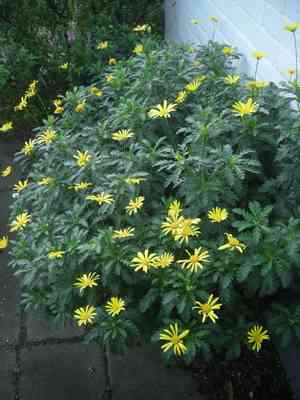
This perennial woody plant is recognized for its vibrant yellow, aster-like blossoms and exhibits a dense, spherical growth pattern. For african bush daisy, essential trimming methods include removing faded flowers to stimulate additional blooming and sculpting the plant by shortening elongated stalks. The most effective time for pruning spans from early spring through late autumn, coinciding with african bush daisy's vigorous development phase. Trimming fosters thicker leaves, controls dimensions, and revitalizes the specimen. Refrain from extensive winter pruning to avert harm from freezing temperatures.
What Are the Benefits of Pruning African Bush Daisy?
What Are the Benefits of Pruning African Bush Daisy?
Trimming african bush daisy encourages robust development and helps maintain its desired form. This fosters a dense, lush appearance and enhances the plant's vitality and floral display.
What Is the Best Time for Pruning African Bush Daisy?
What Is the Best Time for Pruning African Bush Daisy?
Pruning in early spring benefits african bush daisy by promoting strong new growth after its dormant period. This timing allows for the removal of any winter frost damage. Late fall pruning is also suitable once african bush daisy has finished its active growth and blooming cycle. This prepares african bush daisy for dormancy and helps maintain a good shape and size, while avoiding summer heat stress on fresh cuts. Pruning during these seasons supports overall health and future flowering potential.
What Tools Do I Need to Prune African Bush Daisy?
Hand Pruners
Perfect for cutting stems and small branches up to 3/4 inches in diameter, hand pruners ensure clean cuts that promote good plant health for african bush daisy.
Pruning Shears
Ideal for shaping african bush daisy and managing its dense foliage. Pruning shears allow for precise control when trimming and removing spent blooms.
Loppers
For thicker branches that hand pruners cannot manage, loppers provide the necessary leverage to cut branches up to 1 1/2 inches thick.
Pruning Saw
For the occasional larger branch exceeding 1 1/2 inches, a pruning saw makes clean cuts without harming african bush daisy.
How to Prune African Bush Daisy
Step1: Identifying Dead Flowers for Deadheading
Locate the spent flowers on african bush daisy, which typically appear withered, discolored, and dry. Deadheading is crucial for encouraging more blooms and maintaining plant vigor.
Step2: Snip Off Dead Flowers with Clean Shears
Using sharp, clean pruning shears, snip off the dead flowers. Make cuts just above the nearest set of leaves, or where the flower stem meets the main stem to encourage new growth.
Step3: Locating and Assessing Dried Stems
Find dried stems on african bush daisy, identifiable by their lack of leaves or signs of life. Dried stems are often brittle and discolored, contrasting with healthy green stems.
Step4: Pruning Dried Stems at the Base
Carefully prune the dried stems at their base where they emerge from the main stem or the ground. Avoid cutting healthy stems or leaves as african bush daisy may be sensitive to excessive pruning.
Step5: Selective Pruning to Maintain Shape
Shape the african bush daisy by selectively pruning to maintain its natural bushy form. Do not remove more than one-third of the plant's total foliage in any single pruning session to prevent stress to african bush daisy.
Step6: Disposal of Pruned Plant Debris
Discard all pruned material from african bush daisy to prevent potential disease spread and to keep the area tidy, as decaying plant matter can attract pests.
Step7: Watering Post-Pruning for Recovery
Water african bush daisy sufficiently after pruning to encourage recovery and new growth. Ensure good drainage as african bush daisy does not tolerate waterlogged conditions.
Step8: Monitoring for Healthy Regrowth
Observe african bush daisy over the subsequent weeks to ensure healthy regrowth, and repeat the pruning process if needed as the season progresses and more flowers fade or stems dry out.
Post-Pruning Care for African Bush Daisy
Post-Pruning Care for African Bush Daisy
Immediately after trimming african bush daisy, ensure the plant receives adequate water to reduce stress, but avoid overwatering. Maintain a sunny environment as african bush daisy thrives in full light; however, provide shade if temperatures are extremely high post-pruning. Slightly increase humidity to support leaf recovery. A balanced, slow-release fertilizer should be applied after pruning to aid new growth. Regularly inspect african bush daisy for any signs of stress or infection, such as wilting or discoloration. If any issues arise, promptly address with appropriate treatments like fungicides or pest control measures.
Common Pruning Mistakes with African Bush Daisy
Avoid excessive pruning to prevent plant shock
Cutting back too severely, which can shock african bush daisy and reduce its vigor
Remove dead or diseased branches to protect plant health
Failing to remove dead or diseased branches, which can lead to disease spread and affect the overall health of african bush daisy
Use sharp, clean tools to prevent stem damage and infections
Using dull or dirty pruning tools, which can damage stems and leave african bush daisy susceptible to infections
Prune with a clear goal to maintain proper plant shape
Pruning without a clear objective, resulting in misshapen growth or an imbalance in the plant's structure
Don't over-prune; it reduces new growth and flower numbers
Excessive pruning which can limit the number of flowers since african bush daisy blooms on new wood
Common Pruning Tips for African Bush Daisy
Make clean cuts with sharp, sterile shears for quick healing
Use sharp, clean pruning shears to make precise cuts that will heal quickly and minimize stress on african bush daisy
Prune for shape and size respecting the plant's natural habit
Prune african bush daisy to shape the plant and maintain its desired size, considering its natural growth habit for the most aesthetically pleasing results
Eliminate dead or diseased branches for vigorous growth and bloom
Remove any dead, damaged, or diseased branches to prevent disease spread and to encourage more vigorous growth and flowering
Thin crowded branches for better airflow and light, reducing disease
Thin out crowded branches to improve air circulation and light penetration, which can help reduce disease risk and encourage more blooms
Encourage branching by cutting branch tips; more branches mean more blooms
Cut back the tips of the branches to encourage branching, which leads to more flowers since african bush daisy blooms on new growth



