How to Prune Spotted Joe-Pye weed?
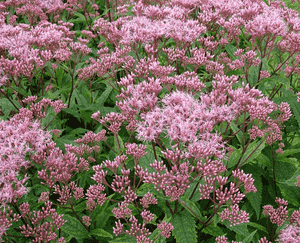
A perennial species indigenous to damp grasslands, spotted Joe-Pye weed features towering stalks adorned with spiraled foliage and clusters of mauve-pink blossoms. To foster vigorous development, trim the plant in early spring to encourage denser growth. Removing spent flowers after the initial bloom period stimulates a subsequent floral exhibition, improving the garden's visual appeal and aiding pollinators. Reduce up to one-third of the stems in late summer to maintain form and inhibit self-propagation. Precise timing guarantees health and extended life, with thoughtful trimming cultivating a flourishing, butterfly-attracting garden element.
What Are the Benefits of Pruning Spotted Joe-pye Weed?
What Are the Benefits of Pruning Spotted Joe-pye Weed?
Trimming spotted Joe-Pye weed encourages robust development and preserves its attractive form. Strategic cutting back fosters denser foliage and can enhance the plant's inherent shape, resulting in a more aesthetically pleasing garden feature.
What Is the Best Time for Pruning Spotted Joe-pye Weed?
What Is the Best Time for Pruning Spotted Joe-pye Weed?
Early spring is optimal because pruning prior to new growth allows the plant to focus energy on strong, healthy shoots. This timing also lowers the risk of plant stress and illness, as fresh cuts heal faster during active growth. Late summer pruning is ideal as it occurs after spotted Joe-Pye weed has finished flowering, minimizing impact on blooms and reducing the chance of removing flower buds, which could lessen the display next season. Additionally, this timing helps shape the plant, remove spent flowers, and improve airflow within the plant's structure, benefiting its overall health and vigor.
What Tools Do I Need to Prune Spotted Joe-pye Weed?
Bypass Pruners
Perfect for making clean, precise cuts, bypass pruners are suitable for trimming spotted Joe-Pye weed stems under 1/2 inch in diameter. Their design allows for close cuts to the main stem, promoting healthier regrowth.
Long-Handled Loppers
For thicker stems or branches of spotted Joe-Pye weed up to 2 inches in diameter, long-handled loppers offer the necessary leverage. The extended handles also enable gardeners to reach dense foliage without harming surrounding plants.
Pruning Saw
For older, woodier stems that loppers cannot manage, a small pruning saw is recommended. Its serrated blade can cut through thick stems of spotted Joe-Pye weed, ensuring clean cuts without tearing plant tissue.
Shears
For shaping spotted Joe-Pye weed and trimming softer foliage or smaller, non-woody stems, shears are effective. These can be used for aesthetic trimming or to remove spent flowers and encourage more blooms.
Gloves
To shield hands from potential irritants on spotted Joe-Pye weed stems and leaves, gardening gloves are essential. They should provide good grip for tools and be thick enough to prevent scratches.
Garden Sanitizer
To prevent disease spread when pruning spotted Joe-Pye weed, gardeners should use a tool sanitizer to clean their tools before and after use. This practice helps maintain plant health and longevity.
How to Prune Spotted Joe-pye Weed
Step1: Tool Preparation and Sterilization
Ready the necessary tools for pruning, such as sharp, clean pruning shears or scissors. Sanitize the blades beforehand to prevent disease transmission.
Step2: Identify Old Flower Stems
Examine spotted Joe-Pye weed for old flowering stems. These are typically taller than the rest of the plant, showing remnants of past blooms, and may appear woody and dry.
Step3: Prune at Base with Angled Cut
Cut the old flowering stems at their base, near ground level. Use an angled cut to promote water runoff and prevent disease. Aim to cut just above a leaf node or a set of leaves if present.
Step4: Locate Diseased Plant Parts
Look for any diseased sections on spotted Joe-Pye weed. Check for stems or leaves with unusual spots, discoloration, or signs of insect infestation.
Step5: Remove Diseased Sections Safely
Trim the diseased parts by making a clean cut well below the affected area to ensure complete removal of the disease. Dispose of these parts properly and avoid composting them.
Step6: Re-sterilize Tools after Pruning
After removing diseased parts, sterilize your pruning tools again to prevent cross-contamination to healthy plant sections or other plants.
Step7: Thinning for Shape and Airflow
Assess the plant for shape and airflow. If spotted Joe-Pye weed is too dense, thin out a small portion of the stems to improve circulation, which can help prevent disease.
Step8: Water Plant Post-Pruning
Water the base of spotted Joe-Pye weed after pruning to help reduce plant stress and encourage new growth.
Step9: Ongoing Growth Monitoring
Monitor spotted Joe-Pye weed for signs of new growth and additional pruning needs throughout the growing season. Subsequent pruning may be performed to shape the plant or remove any new diseased parts that emerge.
Post-Pruning Care for Spotted Joe-pye Weed
Post-Pruning Care for Spotted Joe-pye Weed
Immediately after trimming spotted Joe-Pye weed, ensure clean cuts to prevent disease entry. Place spotted Joe-Pye weed in partial shade, maintaining high humidity and stable temperatures to minimize stress. Fertilize lightly with a balanced fertilizer to aid recovery, avoiding over-fertilization. Water sufficiently, keeping the soil moist but not waterlogged. Monitor spotted Joe-Pye weed for wilting, discoloration, or signs of pests and disease. Should symptoms appear, treat promptly with appropriate fungicides or pest control methods, and adjust care as needed to alleviate stress factors.
Common Pruning Mistakes with Spotted Joe-pye Weed
Avoid Severe Pruning to Encourage Bud Production
Pruning spotted Joe-Pye weed too aggressively by cutting stems to the ground or very short can hinder its ability to thrive. Spotted Joe-Pye weed requires some stem length to produce flower buds for the next season.
Use Clean, Sharp Tools for Healthy Cuts
Using dull or dirty pruning tools on spotted Joe-Pye weed can lead to ragged cuts that are susceptible to infections and disease. It's crucial for the plant's health to use clean, sharp tools.
Do Not Over-Prune; Maintain Plant Fullness
Removing too many healthy stems from spotted Joe-Pye weed can diminish the plant's overall fullness and natural shape. Excessive pruning can also stress the plant, leading to reduced vigor and bloom.
Avoid Cutting Into Old Wood of Mature Plants
Cutting into the woody base of older spotted Joe-Pye weed plants can harm the plant and impede its growth. Pruning should be done carefully to avoid cutting into old wood where new growth is less likely to occur.
Remove Dead and Diseased Stems Promptly
Ignoring dead or diseased stems during pruning can compromise the health of spotted Joe-Pye weed. Removing these stems is vital for preventing disease spread and encouraging healthy new growth.
Common Pruning Tips for Spotted Joe-pye Weed
Selective Pruning for Bushier Growth and More Blooms
To maintain the shape and size of spotted Joe-Pye weed, perform selective pruning by removing only the top third of the stems. This promotes bushier growth and can help increase the number of blooms.
Deadhead After Blooming to Encourage More Flowers
After spotted Joe-Pye weed's blooming period, deadhead spent flowers to encourage additional blooming and redirect the plant's energy towards producing more foliage and flowers instead of seeds.
Pinch Back Young Shoots for a Fuller Plant
To encourage spotted Joe-Pye weed to have a more robust and fuller appearance, pinch back the tips of young shoots in early spring. This will stimulate the plant to branch out more from the base.
Prune for Good Air Circulation and Disease Prevention
For healthy spotted Joe-Pye weed plants, prune out only the weakest stems, and any that are crossing or rubbing against each other, to improve air circulation and reduce the risk of disease.
Mulch After Pruning to Protect Roots and Promote Growth
After pruning, apply a layer of mulch around the base of spotted Joe-Pye weed, leaving some space clear around the stems to protect the roots and provide nutrients for healthier growth in the coming season.



