How to Prune Blindness tree?
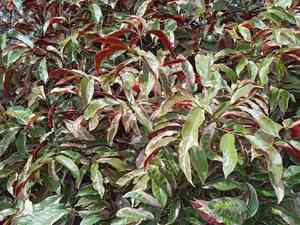
Distinguished by its brightly patterned foliage, blindness tree is recognized for its poisonous milky fluid. Trimming aims to preserve its form and eliminate any impaired or excessively long branches. Employ sanitized, keen implements for accurate incisions. Reduce density in congested sections to improve illumination and air movement. Periodically cut back to foster a more compact development. The most suitable period for pruning is during winter when blindness tree is inactive, thereby lessening strain and sap discharge. Don protective handwear to avert dermal discomfort from the sap. Discarded cuttings must be safely disposed of to preclude unintended contact.
What Are the Benefits of Pruning Blindness Tree?
What Are the Benefits of Pruning Blindness Tree?
Trimming blindness tree promotes robust development and helps maintain its desired form. Regular cutting can prevent excessive growth, fostering a compact, healthier specimen that better resists pests and diseases.
What Is the Best Time for Pruning Blindness Tree?
What Is the Best Time for Pruning Blindness Tree?
Pruning or trimming blindness tree in late winter is recommended as the plant is dormant, minimizing stress and the risk of disease entering through cuts. This timing allows blindness tree to channel its energy into new growth as temperatures rise. By removing dead or overgrown branches before spring growth begins, gardeners can effectively shape the plant, encouraging a strong growth structure for the upcoming season.
What Tools Do I Need to Prune Blindness Tree?
Bypass Pruners
Ideal for making precise cuts on blindness tree, bypass pruners operate like scissors, with two blades passing each other to create a clean cut. This is crucial to avoid crushing or harming stems, promoting better recovery.
Pruning Saw
For larger branches that bypass pruners cannot manage, a pruning saw is essential. Blindness tree may develop thicker branches as it matures, and a saw with fine teeth is suitable for cutting without causing tearing or ragged edges.
Long-Handled Loppers
Blindness tree's dense growth may necessitate cutting in hard-to-reach spots, so loppers with extended handles provide the needed leverage and reach. The sharp blades and long handles make it easier to prune without damaging other parts of the plant.
Gardening Gloves
To protect hands from the sap of blindness tree, which can irritate the skin, high-quality gardening gloves should be worn. They should be durable and offer a good grip for safe tool handling.
Safety Goggles
When pruning blindness tree, protective eyewear is vital to guard against any potential sap splashes that could be hazardous to the eyes.
How to Prune Blindness Tree
Cleaning tools
Sanitize pruning tools before beginning to prevent disease spread. Use rubbing alcohol or a bleach solution to clean the blades.
Removing withered leaves
Identify and remove withered leaves from blindness tree by gently snipping them off at their base where they meet the stem, using clean, sharp scissors or pruners.
Eliminating dead branches
Cut dead branches at the point where they connect to the main stem or a healthy branch. Make a clean cut to encourage rapid healing, avoiding bark tearing.
Cutting diseased branches
Prune diseased branches on blindness tree well below any signs of illness, disposing of them safely and cleaning your tools after each cut to prevent contamination.
Shaping plant
After removing all unhealthy parts, lightly trim back the healthy branches to maintain blindness tree's shape and encourage bushier growth. Do so by cutting just above a leaf node or bud.
Common Pruning Mistakes with Blindness Tree
Over-pruning
Removing too much foliage at once can stress blindness tree, reducing its vigor and potentially leading to poor health or plant demise.
Improper cut location
Cutting too far from a bud can result in dead stubs, while cutting too close can harm the developing bud. Both errors may invite disease.
Using dull tools
Dull pruning tools can cause jagged cuts that heal poorly, making blindness tree susceptible to disease and pests.
Tearing limb
Twisting or tearing limbs during pruning instead of making clean cuts can damage blindness tree and impede its natural growth pattern.
Neglecting tool sanitation
Failing to sanitize tools between cuts can spread disease to healthy parts of blindness tree or between different plants.
Common Pruning Tips for Blindness Tree
Sharp clean cuts
Always use sharp, clean pruners to make precise cuts on blindness tree, which will heal more efficiently and reduce the risk of disease.
Angled cuts
Make cuts at a 45-degree angle about 1/4 inch above outward-facing buds to encourage proper water run-off and healthy new growth on blindness tree.
Remove dead material
Regularly remove dead, damaged, or diseased branches from blindness tree to maintain its health and appearance.
Thin overcrowded branches
Thin out overcrowded areas to increase air circulation and light penetration, which are crucial for the well-being of blindness tree.
Retaining structure
While pruning blindness tree, aim to retain the plant's natural shape for aesthetic and structural purposes; avoid over-zealous shaping that can weaken the plant.



