How to Prune Leopard plant?
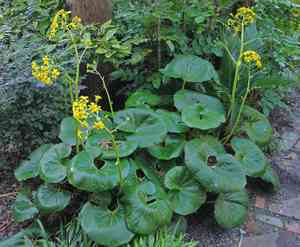
This enduring plant is recognized for its striking leaves and yellow, daisy-shaped blossoms. For leopard plant, trim faded flower stems to preserve its aesthetic, and discard injured or drooping foliage to foster robust development. Perform pruning in early spring or late autumn, making precise cuts to encourage a dense shape and amplify its vibrant nature. Consistent removal of spent blooms can also prompt further flowering. Excising older, external leaves improves air movement, diminishing the likelihood of illness.
Advantages of Trimming Leopard Plant
Advantages of Trimming Leopard Plant
Trimming leopard plant encourages vigorous development and helps maintain its desired form, ensuring a compact, appealing look and strong vitality.
Optimal Time for Trimming Leopard Plant
Optimal Time for Trimming Leopard Plant
Trimming leopard plant in early spring allows for rapid recovery and directs its energy towards new growth, fostering a healthier, more robust specimen. This timing also avoids removing new shoots crucial for the plant's development throughout the growing season. Conversely, late fall pruning coincides with the plant's dormant phase. After leopard plant has finished blooming, its activity lessens, reducing stress and conserving energy for the subsequent growth cycle. Both periods aid in preserving the plant's shape, managing its size, and eliminating any damaged or diseased foliage without disrupting its natural growth and flowering.
Tools Required for Trimming Leopard Plant
Hand Pruners
Ideal for making precise cuts on leopard plant's smaller stems and for removing spent blooms.
Gardening Gloves
Shield hands from cuts and irritants while trimming leopard plant.
Pruning Saw
Useful for cutting through thicker stems or old, woody growth of leopard plant if needed.
Disinfectant
To sanitize tools before and after trimming leopard plant to prevent disease transmission.
Garden Shears
Good for shaping leopard plant and trimming back any excess growth in a straight, even manner.
How to Trim Leopard Plant
Step1: Identify Pruning Areas
Examine leopard plant closely, pinpointing the sections that need trimming: yellow leaves, faded flowers, and compromised stems.
Step2: Sanitize Pruning Tools
Clean your pruning tools with rubbing alcohol or a bleach solution to prevent the spread of pests and diseases.
Step3: Precise Cuts with Sharp Tools
Utilize sharp and clean scissors or secateurs for accurate cuts. This minimizes harm to the remaining parts of leopard plant.
Step4: Remove Yellow Leaves
Remove yellow leaves by cutting at the base of the unwanted leaf, near the main stem of leopard plant, without harming adjacent stalks or leaves.
Step5: Prune Wilted Flowers
Prune wilted flowers by snipping them off just above the first set of full, healthy leaves below the spent bloom, encouraging further flowering and healthy growth.
Step6: Cut Back Damaged Stems
Cut back damaged stems to the nearest healthy section of the stem. If the stem is damaged beyond repair, remove it entirely at the base.
Step7: Shape Plant
Shape leopard plant if necessary by selectively trimming overgrown areas to maintain a balanced, aesthetic appearance, keeping in mind leopard plant's natural shape.
Step8: Dispose of Pruning Debris
Clear away all pruned debris from the soil surface to deter pests and disease.
Step9: Water Plant Post-Pruning
Water leopard plant thoroughly after pruning to aid its recovery, unless the soil is already sufficiently moist.
Step10: Monitor Plant Recovery
Observe leopard plant for signs of stress and provide care as needed, including proper sunlight, water, and fertilization.
After-Pruning Care for Leopard Plant
After-Pruning Care for Leopard Plant
Immediately after trimming leopard plant, ensure clean cuts to prevent infection. Place leopard plant in bright, indirect light, maintaining a humid environment without exposing it to direct sun to avoid stress. Implement a regular watering schedule, keeping soil consistently moist but well-drained. After pruning, wait to fertilize for about a month, then use a balanced, slow-release fertilizer to support new growth. Monitor leopard plant for wilted leaves or discoloration as indicators of stress or infection, responding with appropriate care adjustments or fungicide treatments if necessary.
Common Trimming Errors with Leopard Plant
Over-aggressive pruning hinders growth
Trimming too aggressively, which can stress leopard plant and impede its ability to produce its attractive foliage and flowers.
Dull or dirty tools damage stems
Using dull or unclean cutting tools, potentially causing harm to the stems or introducing disease to leopard plant.
Indiscriminate leaf removal reduces photosynthesis
Removing healthy leaves without discretion, diminishing leopard plant's potential for photosynthesis and robust growth.
Not removing dead foliage invites pests
Neglecting to remove dead or diseased foliage, which can attract pests or worsen plant health issues.
Unnatural pruning affects shape and growth
Trimming without considering the natural shape of leopard plant, leading to an unnatural appearance or uneven growth patterns.
General Trimming Advice for Leopard Plant
Use sharp, clean shears for clean cuts
Use sharp, clean pruning shears to make clean cuts, which will help prevent damage and decrease the chance of disease transmission.
Prune damaged leaves at base for plant health
Prune away only the damaged or diseased leaves at their base to maintain the integrity and health of leopard plant.
Remove aging leaves to encourage new growth
Target older leaves that show signs of aging as they are more prone to problems, and removing them can promote the growth of fresh, healthy leaves.
Cut spent flowers to boost foliage production
After flowering, remove spent flower stems to redirect leopard plant's energy into producing lush foliage.
Prune to preserve natural plant shape
Maintain the natural shape of leopard plant by following the contour of the plant when pruning, giving it a tidy, yet organic appearance.
Inspect for pests and prune affected areas
Regularly inspect leopard plant for signs of pests or disease, and promptly prune away any affected areas to prevent spread.
Thin foliage for air circulation, sparing healthy leaves
Perform selective thinning of the foliage if necessary to improve air circulation, but avoid excessive removal of healthy leaves.



