How to Prune Fiddle-leaf fig?
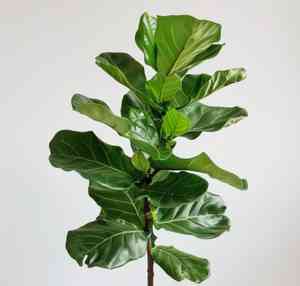
This botanical specimen, recognized for its expansive, textured foliage and vigorous development, thrives with regular trimming to preserve its form and foster well-being. For Ficus lyrata, perform pruning during the dormant winter period, shortening elongated branches, removing withered or compromised leaves, and eliminating any intersecting stems to improve air circulation. Refrain from aggressive pruning, concentrating instead on judicious thinning. Advantages encompass an enhanced aesthetic, invigorated growth, and protection against ailments. Always employ sanitized, keen implements to avert contamination and facilitate rapid recuperation.
What Are the Benefits of Pruning Fiddle-leaf Fig?
What Are the Benefits of Pruning Fiddle-leaf Fig?
Trimming fiddle-leaf fig promotes robust development and preserves its distinctive form. Regular cutting prevents excessive growth and stimulates fresh, healthy shoots for a fuller look.
What Is the Best Time for Pruning Fiddle-leaf Fig?
What Is the Best Time for Pruning Fiddle-leaf Fig?
Early winter is considered ideal for pruning fiddle-leaf fig because the plant is not actively growing then. Pruning at this time reduces stress on fiddle-leaf fig and minimizes sap loss, which can attract pests. Trimming before spring encourages healthier, stronger growth as the plant begins its growth cycle, allowing it to direct energy to new leaves and branches.
What Tools Do I Need to Prune Fiddle-leaf Fig?
Sharp Bypass Pruners
Essential for making clean cuts on fiddle-leaf fig's stems; reduces damage and disease risk.
Micro-Tip Snips
Ideal for trimming small or delicate branches of fiddle-leaf fig, ensuring precision and minimal harm.
Pruning Saw
Necessary for cutting through thicker branches of fiddle-leaf fig that standard pruners cannot handle.
Disinfectant
Used to clean pruning tools before and after use to prevent the spread of diseases in fiddle-leaf fig.
Gloves
Protects hands from sap and ensures safe handling of fiddle-leaf fig's branches during pruning.
How to Prune Fiddle-leaf Fig
Step1: Timing Pruning Season
Determine the appropriate period to prune fiddle-leaf fig, typically during spring or early summer when the plant is actively growing.
Step2: Sanitize Pruning Equipment
Disinfect your pruning shears with rubbing alcohol or a solution of one part bleach to nine parts water to prevent disease transmission.
Step3: Remove Dead Leaves
Begin by removing any dead leaves from fiddle-leaf fig. Gently pull them off if they detach easily or use your shears to cut at the base where the leaf meets the stem.
Step4: Prune Yellow Leaves
Trim yellow leaves, which may indicate over-watering, insufficient light, or a nutrient deficiency. Use your shears to cut these leaves at the stem's base, similar to dead leaves.
Step5: Trim Broken Branches
Inspect fiddle-leaf fig for broken branches, which can result from physical damage or disease. Cut the damaged branch just above a healthy leaf or node at a 45-degree angle to encourage new growth.
Step6: Cut Back Overgrown Stems
To manage overgrown stems and promote a bushier appearance, identify the tallest stems and reduce their length by up to one-third. Make cuts just above a leaf node where you desire new growth.
Step7: Thinning for Airflow and Light
After shaping or sizing, make additional thinning cuts to enhance airflow and light penetration within fiddle-leaf fig's canopy. Remove any crossing or rubbing branches by cutting them at their base.
Step8: Clean Sap from Cuts
Wipe the cuts made on fiddle-leaf fig with a clean, damp cloth to remove any oozed sap, as this can attract pests.
Step9: Dispose of Pruning Debris
Properly discard all removed material, and avoid composting diseased leaves or branches to prevent the spread of potential pathogens.
Step10: Water Plant Post-Pruning
Water fiddle-leaf fig after pruning to reduce plant stress and aid in quicker recovery. Ensure adequate drainage to prevent waterlogging.
Step11: Monitor Plant Recovery
Observe the plant for several weeks post-pruning to ensure it responds well. Some leaf drop is normal, but excessive leaf loss may signal stress or other issues.
Step12: Fertilize After Pruning
Consider applying a balanced, water-soluble fertilizer after pruning to support new growth, following the recommended rates on the package.
Post-Pruning Care for Fiddle-leaf Fig
Post-Pruning Care for Fiddle-leaf Fig
Immediately after pruning fiddle-leaf fig, allow clean cuts to heal naturally without applying sealants. Ensure fiddle-leaf fig is placed in bright, indirect sunlight and maintain high humidity and a stable temperature between 60-75°F. Resume fertilization with a balanced, water-soluble formula one month post-pruning to support new growth. Monitor fiddle-leaf fig for wilting, discoloration, or lesions, as these indicate stress or infection. If symptoms appear, adjust care practices and consult a specialist if conditions worsen.
Common Pruning Mistakes with Fiddle-leaf Fig
Over-Pruning Causes Plant Shock
Removing too much foliage at once can shock fiddle-leaf fig, potentially leading to leaf drop or stunted growth.
Dull Tools Lead to Damage and Disease
Using dull or unclean pruning tools may result in jagged cuts or introduce pathogens to fiddle-leaf fig.
Ignoring Natural Growth Patterns Distorts Shape
Disregarding the plant's natural growth pattern can result in an undesirable shape or uneven foliage distribution.
Incorrect Cuts Can Harm Plant's Growth Nodes
Pruning without leaving a small stub can damage the main stem or the growth node.
Not Removing Unhealthy Foliage Compromises Health
Ignoring the removal of damaged or diseased leaves can hinder the overall health of fiddle-leaf fig.
Common Pruning Tips for Fiddle-leaf Fig
Angled Cuts Above Nodes Stimulate New Branches
Make clean, angled cuts just above a growth node or leaf to promote new branches on fiddle-leaf fig.
Sanitize Tools to Prevent Disease Spread
Regularly sanitize pruning tools before and after use to prevent the spread of diseases to fiddle-leaf fig.
Prune for Symmetry to Maintain Natural Shape
Plan the pruning to maintain or enhance fiddle-leaf fig's natural tree-like shape, focusing on symmetry and balance.
Moderate Pruning Allows Plant Recovery Time
Space out heavy pruning sessions to avoid stressing fiddle-leaf fig, allowing time for recovery. Light, regular pruning is preferred.
Prune Older Leaves to Focus Growth Upward
Prune fiddle-leaf fig's older lower leaves to encourage resources to be directed towards new growth at the top of the plant.



