How to Prune Nerve plant?
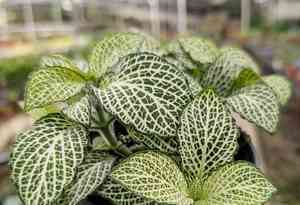
Featuring its prominent vein patterns on its leaves, Fittonia is a favored decorative indoor plant. Trim for form by cutting above a leaf joint with sanitized scissors; this fosters denser development. Optimal pruning occurs from early spring to late autumn, bypassing inactive phases. Consistent removal of spent blooms preserves its look and boosts well-being. Trimming diminishes elongated stems, guaranteeing a more robust, lively presentation. Always take off impaired or discolored foliage to avert illness.
What Are the Benefits of Pruning Nerve Plant?
What Are the Benefits of Pruning Nerve Plant?
Trimming nerve plant promotes more vigorous development and maintains its thick, compact look. Strategic cuts can stimulate new growth, ensuring nerve plant remains dense and appealing.
What Is the Best Time for Pruning Nerve Plant?
What Is the Best Time for Pruning Nerve Plant?
These periods are considered ideal for several reasons. Early spring is when nerve plant begins its active growth cycle after winter dormancy, making it perfect for shaping and removing any damaged or unhealthy foliage from colder months. Pruning in early spring encourages a bushier growth habit and healthier leaves. Late fall, conversely, is suitable as the plant's growth slows, but there's still ample time for recovery before winter dormancy. This timing aligns with nerve plant's natural growth rhythm, allowing it to direct energy to new growth in the subsequent season. It's crucial to avoid pruning during winter dormancy or peak summer heat when stress is high. Additionally, nerve plant isn't known for significant flowering or fruiting periods that would influence pruning schedules.
What Tools Do I Need to Prune Nerve Plant?
Micro-Tip Pruning Snips
Given nerve plant's delicate leaves and compact growth, these snips allow for precise trimming without harming nearby stems and foliage.
Fine-Pointed Scissors
These are well-suited for nerve plant's small leaves and intricate patterns, offering control and accuracy during trimming.
Gloves
While nerve plant isn't known to be toxic or thorny, wearing gloves can prevent potential skin irritation and provide a better grip on pruning tools.
Isopropyl Alcohol
To sanitize pruning tools before and after use, which is vital for preventing disease spread to nerve plant or between plants.
Soft Cloth
For gently wiping down nerve plant before pruning, to remove any dirt or debris that might hinder the trimming process.
How to Prune Nerve Plant
Step1: Assess Plant Health for Pruning
Evaluate nerve plant's overall condition and identify which sections need trimming. Pinpoint any yellow leaves and withered branches, as these are the primary targets for removal.
Step2: Sterilize Pruning Tools
Use sanitized pruning shears or scissors to prevent disease transmission. Disinfect tools with rubbing alcohol or a bleach solution before beginning the pruning process.
Step3: Identify Yellow Leaves
Locate the yellow leaves on nerve plant. Yellow foliage can indicate overwatering, nutrient deficiency, or the plant's natural aging process.
Step4: Prune Yellow Leaves at Base
Remove yellow leaves at their base where they connect to the stem or to the main vein if only partially removing them. Cut as close to the base as possible without damaging healthy parts.
Step5: Trim Withered Branches Above Node
For withered branches, trace them back to where they meet healthy, green growth. Prune withered branches with a clean cut just above a leaf node or internode. This will encourage nerve plant to branch out and become fuller.
Step6: Shape Plant by Trimming Leggy Stems
After removing undesirable parts, shape nerve plant by cutting back elongated stems to maintain a compact and attractive appearance. Do this by cutting just above a leaf node to promote new growth.
Step7: Dispose of Pruned Material
Properly discard the pruned yellow leaves and withered branches. Do not leave them in the plant pot as they could encourage disease.
Step8: Water Plant Moderately After Pruning
Water nerve plant carefully after trimming, being careful not to overwater, as nerve plant prefers consistent but moderate moisture.
Step9: Monitor Plant for Post-Pruning Stress
Observe nerve plant after pruning for signs of stress. Ensure it receives adequate light and humidity, which are crucial for its recovery and robust growth.
Post-Pruning Care for Nerve Plant
Post-Pruning Care for Nerve Plant
After trimming nerve plant, maintain high humidity and indirect sunlight to avoid stress. Ensure the temperature remains consistently warm without significant fluctuations. Water the soil when the top inch feels dry, but prevent waterlogging. Apply a balanced, liquid fertilizer monthly to aid recovery and stimulate growth. Monitor nerve plant for wilting or discoloration, which could signal stress or infection. If signs appear, adjust care conditions promptly and consider an appropriate fungicide or pest treatment as needed.
Common Pruning Mistakes with Nerve Plant
Over-pruning Causes Stress and Reduces Fullness
Trimming too aggressively, which could stress or harm nerve plant and diminish its lush appearance.
Dull and Dirty Tools Harm Plant and Invite Disease
Using blunt or unsanitized pruning tools that could tear stems or introduce pathogens to nerve plant.
Unplanned Pruning Leads to Uneven Growth
Pruning without a strategy, resulting in unbalanced growth or accidental removal of healthy parts of nerve plant.
Not Trimming Tips Inhibits Bushier Growth
Failing to remove just the tips of the stems, which can prevent nerve plant from developing a fuller and bushier form.
Overlooking Yellow Leaves Affects Health and Beauty
Ignoring the removal of yellow or brown leaves, which could compromise nerve plant's overall health and aesthetic appeal.
Common Pruning Tips for Nerve Plant
Sharp, Sterile Tools for Clean Cuts and Fast Healing
Use sharp and sanitized scissors or pruning shears to make clean cuts on nerve plant to prevent infection and promote rapid healing.
Pinch Tips to Promote Branching and Fullness
Regularly pinch back the tips of nerve plant's stems to encourage branching and create a fuller plant shape.
Remove Dead Leaves to Boost Health and Growth
Prune any dead or yellowing leaves at the base to enhance nerve plant's health and redirect energy to new growth.
Prune Top One-Third for Vibrant, Dense Foliage
Remove only the top one-third of the growth to ensure nerve plant remains vibrant and dense without causing undue stress.
Assess Growth Before Pruning for Balanced Shape
Always evaluate nerve plant's growth pattern before pruning to determine which areas need shaping or thinning to achieve a balanced look.



