How to Prune Greenstem forsythia?
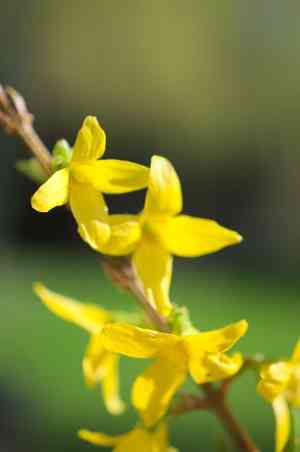
This lively, leaf-shedding bush is recognized for its brilliant yellow blossoms that signal the arrival of spring. To preserve the form of greenstem forsythia and encourage abundant flowering, perform renewal pruning by severing one-fifth of the older branches at their base each year. The most effective time for pruning is directly after blooming, in the latter part of spring or early summer, to guarantee the formation of buds for the subsequent season. Pruning not only revitalizes greenstem forsythia but also manages its dimensions and prevents excessive growth.
Advantages of Trimming Greenstem Forsythia
Advantages of Trimming Greenstem Forsythia
Trimming greenstem forsythia promotes abundant flowering and lowers the chance of pests and illnesses by eliminating old or damaged branches, enhancing air circulation and sun exposure.
Optimal Time for Trimming Greenstem Forsythia
Optimal Time for Trimming Greenstem Forsythia
Trimming greenstem forsythia from late spring to early summer is ideal as it coincides with the end of its blooming period. Greenstem forsythia typically flowers on the growth from the previous year, so pruning after blooming allows gardeners to shape the plant without risking the loss of the following year's blossoms. Furthermore, this timing provides greenstem forsythia ample opportunity to produce new growth during the active season, which will bear flowers the subsequent spring. Pruning in late spring or early summer also aids the plant's recovery before entering its dormant winter phase and helps maintain peak health and vigor.
Required Tools for Trimming Greenstem Forsythia
Bypass Pruners
Perfect for making clean cuts on young or slender wood, ensuring minimal harm to the greenstem forsythia's stems.
Loppers
Offer extended reach and leverage for cutting thicker branches, typically up to 1 and 1/2 inches in diameter, which is useful for reaching the interior of the greenstem forsythia's growth.
Pruning Saw
Essential for removing any old or thick branches exceeding 1 and 1/2 inches in diameter, which can occur in mature greenstem forsythia.
Garden Gloves
Protective gear to prevent scrapes or cuts from the greenstem forsythia's branches during trimming.
Pruning Shears
Suitable for shaping the greenstem forsythia and precisely snipping smaller, more delicate areas, crucial for maintaining the desired aesthetic form.
How to Trim Greenstem Forsythia
Step1: Timing Trimming After Bloom
Wait for the appropriate trimming time for greenstem forsythia, which is immediately after it blooms in the spring. Trimming at this point ensures the plant has sufficient time to develop new buds for the next season without impacting this year's display.
Step2: Remove Damaged Wood
Begin by removing any Damaged wood. Cut back any broken, dead, or diseased branches to healthy wood. Use sharp bypass pruners or loppers, making the cut at a 45-degree angle approximately 1/4 inch above an outward-facing bud or node.
Step3: Trim Old Non-Flowering Wood
Identify Old wood on greenstem forsythia that did not produce flowers this season or appears gray and less vigorous. Trim about one-third of the oldest stems down to the ground to revitalize growth and encourage blooming. Cut these at the base of the shrub with loppers or a pruning saw.
Step4: Cut Back Unhealthy Wood
Locate Unhealthy wood, which may show signs of infection or pest damage. Trim these branches back to healthy tissue or remove them entirely if necessary. Be sure to sanitize your trimming tools after cutting diseased wood to prevent spreading pathogens.
Step5: Thin Out Crowded Branches
Thin out crowded branches by removing some of the newer growth. Selectively trim branches that cross or rub against each other to improve air circulation and light penetration within the canopy of greenstem forsythia.
Step6: Shape for Aesthetic Form
Shape greenstem forsythia by trimming longer, unbranched stems to maintain an aesthetically pleasing form. Always trim just above a set of leaves or side branch to encourage bushier growth and avoid leaving stubs.
Step7: Cleanup and Hygiene Post-Trimming
After trimming, clear away all clippings and dispose of any diseased material far from greenstem forsythia to maintain good hygiene and prevent issues from recurring.
Step8: Water and Fertilize After Trimming
Water greenstem forsythia after trimming to aid its recovery and settle any disturbed soil. Also, apply a balanced fertilizer to provide nutrients for new growth.
Step9: Monitor Plant Health Regularly
Monitor greenstem forsythia for signs of stress or disease and address any issues promptly to ensure the plant's health. Regular maintenance trimming should be performed annually to keep greenstem forsythia vibrant and blooming well.
Post-Trimming Care for Greenstem Forsythia
Post-Trimming Care for Greenstem Forsythia
Immediately after trimming greenstem forsythia, ensure clean cuts to facilitate healing. Place greenstem forsythia in well-lit conditions, avoiding extreme sunlight. Maintain moderate humidity and prevent drastic temperature changes. Implement a balanced fertilization regimen to replenish nutrients, favoring a light application of a slow-release formula to support regrowth. Regularly inspect greenstem forsythia for pests, dieback, or fungal infections, applying appropriate treatments if symptoms arise. Monitor water needs, as greenstem forsythia will require consistent moisture while avoiding waterlogged soil.
Common Trimming Errors with Greenstem Forsythia
Excessive Trimming of Mature Wood Reduces Bloom
Trimming too much of the mature wood, which can significantly decrease the blooming potential of greenstem forsythia as it flowers on last year's growth.
Incorrect Cut Placement Can Harm Buds
Making cuts too close to the bud, which can damage the bud and hinder new growth, or too far from the bud, which can leave an unsightly stub and increase the risk of disease.
Dull and Dirty Tools Impede Clean Cuts
Using dull or dirty trimming tools, which makes it harder to create clean cuts and can introduce diseases to greenstem forsythia.
Inappropriate Shaping Limits Flowering
Shaping greenstem forsythia into formal hedges or tight forms that can diminish its natural arching growth habit and subsequent flowering capacity.
Ignoring Natural Form Harms Plant Health
Trimming without assessing the plant's natural form, which can lead to an unnatural appearance and harm its overall health.
Common Trimming Advice for Greenstem Forsythia
Use Sharp Tools for Angled Cuts
Use sharp and clean trimming shears to make angled cuts that encourage water runoff and reduce the potential for disease infection in greenstem forsythia.
Remove Old Canes to Boost Growth
When thinning greenstem forsythia, selectively remove older canes at the base to encourage new growth while preserving the plant's overall structure.
Cut Back After Flowering to Encourage Blooms
Cut back the flowering shoots of greenstem forsythia by about one third after flowering to promote next year's display and maintain a pleasing shape.
Trim Weak Branches for Plant Health
Trim out any weak, diseased, or damaged branches to maintain the health and aesthetics of greenstem forsythia, making sure to cut back to a healthy set of lateral shoots.
Stagger Trimming for Gradual Rejuvenation
When aiming to rejuvenate an overgrown greenstem forsythia, stagger the trimming over a couple of seasons to prevent shock and to maintain flowering.



