How to Prune Wild strawberry?
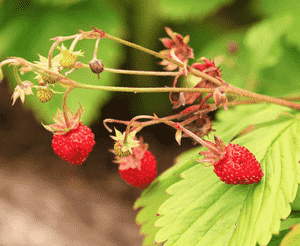
This enduring ground-covering plant is celebrated for its stolons and berries. For wild strawberry, trim away any withered or ailing leaves and reduce superfluous runners to boost fruit output and overall plant vitality. The ideal period for this maintenance is in the early spring or late winter. Consistent trimming encourages robust development and a greater harvest of fruit. Essential for this variety, appropriate hygiene practices can avert prevalent fungal infections linked to dense foliage.
Advantages of Trimming Wild Strawberry
Advantages of Trimming Wild Strawberry
Trimming wild strawberry promotes robust development and maintains its form. It fosters healthy leaves, enhances sun exposure and air circulation, and can result in a more plentiful fruit yield.
Optimal Period for Pruning Wild Strawberry
Optimal Period for Pruning Wild Strawberry
Pruning wild strawberry in late winter and early spring is ideal as this coincides with the plant's dormant phase, just before new growth begins. This timing minimizes stress on wild strawberry, as the plant is not actively growing and can recover more efficiently from pruning. Furthermore, removing dead or diseased foliage at this time can prevent disease spread and allows gardeners to effectively shape the plant, preparing it for vigorous spring growth. Trimming before the flowering and fruiting period also enables wild strawberry to direct resources towards producing healthy blooms and fruit, maximizing its yield.
Essential Tools for Pruning Wild Strawberry
Bypass Pruners
Excellent for making precise cuts on wild strawberry's smaller stems, these pruners inflict less damage to plant tissues, encouraging healthier regrowth.
Snips
Perfect for thinning out overgrown areas of wild strawberry and removing spent blooms, snips allow for accuracy without disturbing nearby plants.
Gloves
Wearing gloves is crucial to safeguard hands from thorns and rough leaves when handling wild strawberry.
Small Hand Rake
Useful for gently clearing debris around wild strawberry without disturbing its shallow root system during the pruning process.
How to Prune Wild Strawberry
Step1: Branch Assessment
Examine wild strawberry in early spring or after fruiting to identify dead, diseased, and damaged branches. These are typically branches that are brittle, discolored, or show visible signs of fungal growth.
Step2: Sanitize Pruning Tools
Disinfect pruning tools before and after use with rubbing alcohol or a 10% bleach solution to prevent disease transmission.
Step3: Remove Dead Branches
Using sharp, clean pruning shears, begin by cutting off dead branches at their base. Make cuts at a 45-degree angle, approximately 1/4 inch above a healthy bud, facing away from the plant's center.
Step4: Eliminate Diseased Branches
Next, prune diseased branches, again cutting at a 45-degree angle. Remove branches well below the affected area to ensure complete removal of any diseased tissue.
Step5: Trim Damaged Branches
Cut away any damaged branches that may have been broken by weather, animals, or foot traffic. Prune back to a healthy section of the branch. Ideally, make the cut just above a leaf bud that points in the desired direction of new growth.
Step6: Thinning for Airflow
Thin out the center of wild strawberry to improve air circulation. Remove some of the oldest branches to encourage new growth and better fruit production. Be sure not to remove more than one-third of the plant in a single season to avoid stressing wild strawberry.
Step7: Clear Pruning Debris
After pruning, clean up all cuttings and debris from around wild strawberry to prevent any disease or pests from overwintering in the area.
Step8: Post-Pruning Irrigation
Water wild strawberry thoroughly after pruning to aid its recovery. Applying a layer of mulch around, but not touching, the base of wild strawberry can conserve moisture and protect the roots.
Step9: Growth Monitoring
Monitor wild strawberry for signs of new growth or any emerging issues. A well-pruned wild strawberry will have better air flow, sunlight penetration, and will produce healthier fruit.
Aftercare for Wild Strawberry Post-Pruning
Aftercare for Wild Strawberry Post-Pruning
Following pruning of wild strawberry, immediately water the plant to alleviate stress. Ensure wild strawberry receives partial to full sunlight, maintaining moderate humidity and a temperature range of 60-75°F to promote recovery. Introduce a balanced, slow-release fertilizer to replenish nutrients, complemented by routine soil checks to maintain optimal fertility. Regularly inspect wild strawberry for wilting, discoloration, or pest presence as indicators of distress. If symptoms are detected, promptly adjust care or consult a horticultural expert for intervention.
Common Pruning Errors with Wild Strawberry
Excessive Pruning Reduces Blooms and Harms Plant Vigor
Over-pruning wild strawberry can lead to a significant decrease in the number of flowers and fruits, as well as potential harm to the plant's overall health.
Failure to Remove Dead or Diseased Plant Material
Neglecting to remove all dead or diseased foliage, which can attract pests or lead to further disease problems in wild strawberry.
Damaging Plant's Crown Through Improper Pruning
Cutting into the crown or the central part of wild strawberry during pruning, which can result in severe damage or even kill the plant.
Using Dull or Dirty Tools Causes Jagged Cuts
Employing dull or dirty pruning tools, which can create ragged cuts that are more susceptible to disease and pest infestations.
Disregarding Plant's Natural Growth Pattern in Pruning
Ignoring the natural growth habit of wild strawberry, leading to an unnatural appearance and potentially stunted development.
General Pruning Advice for Wild Strawberry
Use Sharp, Clean Shears for Healthy Pruning Cuts
Always use sharp, clean pruning shears to make precise cuts, which help wild strawberry heal faster and reduce the risk of disease.
Thin Foliage to Improve Airflow and Sunlight
Focus on thinning out dense foliage to increase air circulation and sunlight penetration, which are crucial for the health of wild strawberry.
Prune Runners to Focus Plant's Energy
Prune away any runners that are not needed for propagation or have extended beyond the desired area to conserve the plant's energy.
Remove Dead or Diseased Foliage Regularly
Regularly remove dead, diseased, or damaged leaves and stems to keep wild strawberry healthy and prevent the spread of pests and diseases.
Cut at 45-Degree Angle Above Leaf Node for New Growth
When cutting back foliage, make cuts at a 45-degree angle just above a leaf node to encourage new growth in a desirable direction.



