How to Prune Carolina buckthorn?
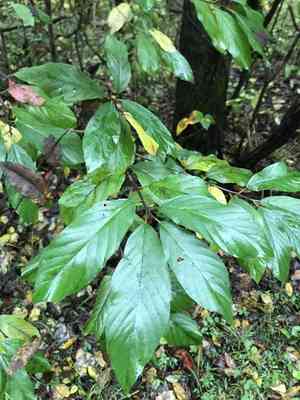
This leafy shrub, known for its shiny foliage and crimson to violet fruit, thrives in adequately drained earth. For carolina buckthorn, trim in the initial part of spring to eliminate lifeless or ailing branches, reduce crowded sections for improved illumination and airflow, and sculpt for visual appeal. Refrain from making extensive cuts to preserve its form. Trimming boosts fruit yield and encourages robust new development, guaranteeing vitality and ornamental charm.
What Are the Benefits of Pruning Carolina Buckthorn?
What Are the Benefits of Pruning Carolina Buckthorn?
Trimming carolina buckthorn promotes robust development and maintains its desired form. By selectively removing branches, you foster a strong framework and prevent excessive growth, ensuring carolina buckthorn stays healthy and visually appealing.
What Is the Best Time for Pruning Carolina Buckthorn?
What Is the Best Time for Pruning Carolina Buckthorn?
Early spring is considered the ideal period to prune carolina buckthorn because it follows winter dormancy and precedes the plant's rapid growth phase. Pruning before new growth begins ensures the plant's energy is directed towards wound healing and the development of new, healthy shoots. Additionally, trimming at this time reduces the risk of disease and allows gardeners to shape carolina buckthorn without dense foliage, simplifying the process and promoting better health and structure for the upcoming growing season.
What Tools Do I Need to Prune Carolina Buckthorn?
Hand Pruners
Perfect for cutting stems and small branches up to 3/4 inches in diameter, suitable for the fine, twiggy growth of carolina buckthorn.
Loppers
These offer leverage for branches thicker than hand pruners can manage, appropriate for carolina buckthorn's occasional thicker growth.
Pruning Saw
For mature carolina buckthorn specimens with branches exceeding 2 inches in diameter, this tool ensures clean cuts without harming surrounding wood.
Hedge Shears
Useful for shaping carolina buckthorn, if a formal hedge appearance is desired. Not recommended for general pruning as it can result in numerous small cuts that may damage the plant.
Pole Pruner
Helps reach high branches on larger carolina buckthorn without a ladder, ensuring safety and precision from the ground.
How to Prune Carolina Buckthorn
Step1: Tool Preparation and Sterilization
Prepare necessary tools like sharp bypass pruners, loppers, and a pruning saw. Ensure they are clean and sterilized to prevent disease spread during pruning.
Step2: Dead Wood Identification
Thoroughly inspect carolina buckthorn to locate all dead wood. Look for branches that are brown, lack green growth, and do not flex when gently pushed.
Step3: Dead Wood Removal
Begin pruning by removing dead wood. Make cuts at a 45-degree angle approximately 1/4 inch above an outward-facing bud or branch to encourage proper new growth.
Step4: Disease Inspection
After removing dead wood, examine carolina buckthorn for any diseased limbs. Signs of disease may include unusual growth patterns, discoloration, or visible pest damage.
Step5: Diseased Limb Pruning
Cut diseased limbs, ensuring to prune well below the affected area. If a limb is partially diseased, cut it back to a healthy side shoot or just above the next healthy bud.
Step6: Healthy Tissue Preservation
Avoid cutting into the main trunk or healthy tissue as this could introduce disease or pests. Properly dispose of all diseased material and do not compost it.
Step7: Post-Pruning Tool Disinfection
Clean your pruning tools with a solution of 1 part bleach to 9 parts water after cutting diseased limbs, before moving to another branch or another carolina buckthorn, to prevent pathogen spread.
Step8: Structural Assessment and Correction
Assess the overall shape and structure of carolina buckthorn. If necessary, remove any crossing or rubbing branches to promote good airflow and light penetration.
Step9: Interior Thinning for Light and Airflow
Thin out the interior of carolina buckthorn by cutting back some denser areas, if needed. Aim to maintain the plant's natural shape, focusing on fostering strong, healthy growth.
Step10: Cleanup and Debris Removal
Finish by cleaning up the base of carolina buckthorn, removing any clippings or debris that might harbor disease or pests. This also ensures a neat appearance.
Post-Pruning Care for Carolina Buckthorn
Post-Pruning Care for Carolina Buckthorn
Immediately after pruning carolina buckthorn, water thoroughly to reduce stress. Maintain partial sun, avoiding intense midday light, and keep humidity consistent. In subsequent weeks, apply a balanced, slow-release fertilizer to encourage growth. Monitor carolina buckthorn for wilted leaves or wounds, indicating stress or infection. Should these arise, adjust care and consult a horticulturist. Continued observation ensures a robust recovery and healthy development following pruning.
Common Pruning Mistakes with Carolina Buckthorn
Excessive Removal of Foliage
Over-pruning, which can weaken carolina buckthorn by removing too much foliage and disrupting its natural growth pattern, potentially leading to reduced vigor and fewer berries.
Improper Cuts Too Close to Main Stem
Making cuts too close to the main stem or trunk, which can create larger wounds prone to pests and diseases, and delay the healing process.
Using Dull or Dirty Tools
Using dull or dirty pruning tools, which can make improper cuts that are more likely to result in torn branches and can introduce pathogens to carolina buckthorn.
Lack of Clear Pruning Goals
Pruning without a clear objective, leading to an unsightly or poor structure that may not enhance the plant's aesthetic qualities or health.
Delay in Removing Damaged Wood
Neglecting to remove dead, diseased, or damaged wood promptly, which can lead to further decay and compromise the overall health of carolina buckthorn.
Common Pruning Tips for Carolina Buckthorn
Use Clean, Sharp Tools for Pruning
Always use clean, sharp tools to make clean cuts that carolina buckthorn can heal quickly from, thereby minimizing the risk of disease.
Prioritize Removing 3 Dâs: Dead, Diseased, Damaged
Focus on the 3 D'sâdead, diseased, and damaged branchesâas the priority for removal to maintain the health and appearance of carolina buckthorn.
Prune at an Angle Above Nodes
Make pruning cuts at a slight angle, above a leaf node or lateral branch, in order to encourage healthy new growth in the desired direction.
Thin Dense Areas for Light and Air Circulation
After clearing out the 3 D's, thin out dense areas to improve light penetration and air circulation, which are essential for carolina buckthorn's vitality and berry production.
Maintain Natural Plant Form When Shaping
When shaping carolina buckthorn, aim for a more natural form rather than a formal shape, to preserve the plantâôs characteristic appearance and promote growth.



