How to Prune Blue ash?
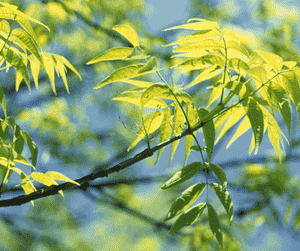
A hardwood variety that sheds its leaves, recognized for its unique winged limbs, blue ash flourishes with deliberate trimming. Perform cuts in late winter or early spring prior to foliage appearing, focusing on deceased or errant branches to foster vigorous development and preserve structural soundness. Trimming additionally aids in light penetration and air movement, boosting general well-being. Execute precise cuts at branch junctions and sanitize implements between cuts to avert pathogen dissemination.
What Are the Benefits of Pruning Blue Ash?
What Are the Benefits of Pruning Blue Ash?
Trimming blue ash promotes a strong and healthy growth pattern. By eliminating dead or damaged limbs, the plant can direct its energy towards developing a robust framework and maintaining its desired form, fostering vigorous development and an appealing appearance.
What Is the Best Time for Pruning Blue Ash?
What Is the Best Time for Pruning Blue Ash?
Late winter and early spring are ideal for pruning blue ash as these periods precede the plant's active growth phase. Trimming during late winter ensures that cuts will heal quickly once growth begins, minimizing the risk of disease or pest infestation. Additionally, the bare branches of blue ash during this dormant period allow for better visibility of the plant's structure, making it easier to identify and remove dead or diseased wood. Pruning before the spring growth spurt also allows blue ash to direct its energy into producing new, healthy growth, improving the overall vigor and shape of the plant. It is advisable to avoid pruning during the fall, as new growth encouraged by pruning may not have adequate time to harden before the onset of cold weather.
What Tools Do I Need to Prune Blue Ash?
Hand pruners
Perfect for cutting small branches and twigs on blue ash. These should be bypass pruners, which create a clean cut and are best for living branches to encourage healthy regrowth.
Lopping shears
These are for larger branches that are too big for hand pruners. Their long handles provide leverage to cut through branches up to 1.5 inches in diameter on blue ash.
Pruning saw
For the largest branches on blue ash, a pruning saw with a curved blade will simplify the task. The saw should be sharp to ensure clean cuts, which are vital for the tree's health.
Pole pruner
If blue ash has tall branches that need to be reached from the ground, a pole pruner combines a saw and a lopper in one tool, which can be extended to reach higher limbs.
Hedge shears
These are not typically needed for blue ash unless it is being shaped as a hedge. Standard hedge shears can be used to shape and maintain a formal appearance.
Safety equipment
Always essential when pruning blue ash, including gloves to protect your hands and safety glasses to shield your eyes from falling debris.
How to Prune Blue Ash
Identification
Identify the dead or diseased branches on blue ash that may show signs of decay, lack of leaves, or discoloration.
Sanitation
Before trimming blue ash, sterilize pruning tools to prevent the spread of disease to healthy parts of the plant.
Cutting technique
Use sharp pruning shears or a saw to make clean cuts on blue ashâs dead or diseased branches. Cut at a slight angle, just above a healthy bud or branch junction.
Disposal
Carefully remove and dispose of the pruned branches from blue ash to avoid contamination of the surrounding area. Do not compost diseased material.
Wound care
Apply a wound dressing to large cuts on blue ash if recommended for the species or region to encourage healing and prevent disease entry.
Common Pruning Mistakes with Blue Ash
Over Pruning
Removing too much foliage from blue ash can harm the plant's health. It's imperative not to exceed removing more than one-third of the plant's total branches, as this can stress the tree and lead to weakened growth.
Using Dull Tools
Dull tools can cause jagged cuts that are more susceptible to disease and pests. Always use sharp, clean pruning tools to make precise cuts for blue ash's health and aesthetics.
Improper Cuts
Incorrect cutting techniques, such as leaving stubs or cutting too close to the trunk, can prevent blue ash from healing properly and increase susceptibility to disease.
Topping
Cutting off the top of blue ash to reduce its height is not recommended, as it can lead to weak new growth, increased susceptibility to pests and diseases, and an unnatural appearance.
Common Pruning Tips for Blue Ash
Selective Thinning
Focus on selective thinning of blue ash to maintain a natural shape. Remove only dead, diseased, or intersecting branches to improve light penetration and air circulation within the canopy.
Cutting Angle
Make cuts at a 45-degree angle just above an outward-facing bud or branch to encourage blue ash to grow in a desirable direction and allow water to run off the cut surface, reducing disease risk.
Healing
Understand that blue ash has the ability to heal after pruning. Avoid applying wound dressings or sealants, as they can inhibit natural healing and trap moisture that leads to decay.
Gradual Pruning
Spread pruning activities over several seasons if blue ash requires significant shaping or size reduction. Gradual pruning avoids shocking the tree and maintains its health and vigor.



