How to Prune Common blanketflower?
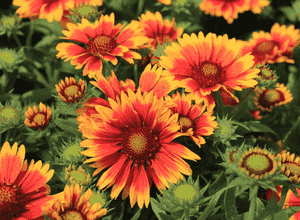
A resilient plant featuring vivid, daisy-shaped blossoms, Gaillardia pulchella flourishes with little upkeep. Deadhead faded flowers consistently to stimulate further blooming and eliminate any lifeless or injured stalks. To foster a denser form, nip off nascent shoots. Execute a substantial trim in early spring to encourage robust new development; minor shaping can persist until late autumn. The advantages of pruning encompass a neater look, increased floral production, and regulated expansion. Refrain from winter pruning to safeguard fresh cuts from frost harm.
What Are the Benefits of Pruning Common Blanketflower?
What Are the Benefits of Pruning Common Blanketflower?
Trimming common blanketflower promotes more abundant flowering, stimulates its development, and keeps a desired compact shape. This practice is crucial for ensuring common blanketflower's health and visual appeal.
What Is the Best Time for Pruning Common Blanketflower?
What Is the Best Time for Pruning Common Blanketflower?
Pruning common blanketflower in early spring is advantageous as it aids in removing any damage from winter and prepares the plant for vigorous growth during its active season. It's important to wait until frost danger has passed to avoid exposing new growth to harsh temperatures, which could hinder plant vitality. Late fall pruning, conversely, is ideal because it occurs after common blanketflower's blooming cycle, allowing gardeners to remove faded flowers and helps prevent disease by eliminating any unhealthy or dead tissue before winter. This timing also avoids disrupting the spring and summer bloom periods, ensuring gardeners can enjoy the plantâs full decorative display.
What Tools Do I Need to Prune Common Blanketflower?
Bypass Pruners
Perfect for making precise cuts on common blanketflower's stems, bypass pruners are effective due to their sharp, curved blades that operate like scissors, suitable for living and green plant material.
Gardening Gloves
Protective gear such as gloves is essential to prevent scratches or irritation from handling common blanketflower, and to provide a firm grip while pruning.
Garden Shears
For shaping and trimming common blanketflower, especially during the deadheading process, which encourages continued blooming and healthy growth patterns.
Pruning Snips
These are useful for accurate cuts when deadheading or thinning out smaller, more delicate areas of common blanketflower.
Clean Cloth
Used to wipe blades clean after pruning common blanketflower, which helps prevent disease spread and maintains tool effectiveness.
Disinfectant for Tools
Prevents disease transmission between plants by keeping pruning tools sterilized before and after use on common blanketflower.
How to Prune Common Blanketflower
Step1: Sanitize pruning tools.
Before starting, disinfect your pruning shears or scissors with alcohol or a bleach solution to prevent the spread of disease.
Step2: Remove dead flowers for reblooming.
Begin by removing spent flowers from common blanketflower to encourage reblooming. Cut the flower stem back to just above a set of healthy leaves or a new bud using clean, sharp pruning shears.
Step3: Prune old stems to stimulate new growth.
Identify withered or aged stems on common blanketflower that are no longer flowering or showing signs of new growth. Prune these stems back to the plant's base, making the cut at a 45-degree angle approximately 1/4 inch above a leaf node or bud to encourage new growth.
Step4: Eliminate diseased plant parts.
Inspect common blanketflower for any signs of illness, such as discolored leaves or stems. Remove these parts to prevent the spread of disease. Cut well below the affected area, ensuring all diseased tissue is removed. Dispose of diseased plant material properly and do not compost.
Step5: Shape plant for aesthetics and health.
If needed, shape common blanketflower by selectively pruning overgrown or leggy stems. Aim to create a uniform, mounded shape to maintain the plant's visual appeal and promote air circulation.
Step6: Water after pruning.
After you've completed the necessary cuts, water common blanketflower thoroughly to help reduce stress on the plant and provide a boost of hydration for healthy growth.
Step7: Clean up fallen debris.
Clear away any trimmed material from around common blanketflower to keep the area tidy and reduce the likelihood of disease or pest issues.
Step8: Monitor and care post-pruning.
As a final step, observe common blanketflower over the subsequent weeks, removing any additional dead or diseased parts as they appear, and ensure it's receiving proper care in terms of sunlight, water, and fertilization to maintain its health and vigor.
Post-Pruning Care for Common Blanketflower
Post-Pruning Care for Common Blanketflower
Immediately after trimming common blanketflower, water the plant deeply to aid recovery. Maintain a balance of sunlight and shade as excessive sun can stress pruned areas. Keep common blanketflower in a stable environment with moderate temperatures and avoid high humidity to prevent fungal diseases. Apply a balanced, slow-release fertilizer to support new growth. Regularly check for signs of distress, such as wilting or discoloration, and for infection, indicated by unusual spots or decay. If detected, isolate the plant and treat accordingly with appropriate fungicides or pest control measures.
Common Pruning Mistakes with Common Blanketflower
Over-pruning Hinders Blooming
Cutting back common blanketflower too severely, which can diminish its capacity to produce blooms and may cause undue stress to the plant.
Unclean and Dull Tools Harm Plants
Not using clean or sharp tools for pruning, which could result in jagged cuts and increase the risk of disease and pest infestation.
Ignoring Plants' Growth Habits When Pruning
Pruning without understanding common blanketflower's natural growth pattern, leading to an unnatural appearance or reduced vigor.
Common Pruning Tips for Common Blanketflower
Sanitize Shears for Clean Cuts
Use sterilized, sharp pruning shears to make clean cuts on common blanketflower, which help the plant heal faster and reduce the chance of disease.
Deadheading Promotes More Blooms
Remove spent blooms of common blanketflower to encourage further flowering and prevent the plant from putting energy into seed production.
Cut Back Post-Flowering for Bushier Growth
Trim common blanketflower back to the plant's base after flowering is complete, to promote bushier growth and renew the plant's vigor for the next season.



