How to Prune Snowdrop?
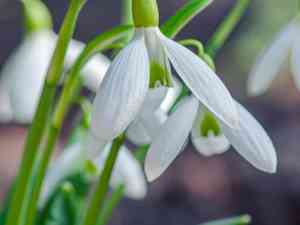
Recognized for its campanulate white blossoms appearing in the coolness of late winter and early spring, snowdrop demands very little trimming. Detach spent flower stalks once flowering concludes and eliminate deceased leaves to foster robust development. The ideal time for pruning is after flowering, prior to the onset of summer dormancy. This targeted trimming not only neatens snowdrop but can also boost flowering in the subsequent year. Refrain from extensive cutting, as snowdrop's appeal stems from its inherent, clustered shape.
What Are the Benefits of Pruning Snowdrop?
What Are the Benefits of Pruning Snowdrop?
Trimming snowdrop promotes robust development and preserves its desired form. This regular cutting can lead to a healthier and more visually appealing specimen in the garden.
What Is the Best Time for Pruning Snowdrop?
What Is the Best Time for Pruning Snowdrop?
These periods are ideal as snowdrop is dormant, allowing gardeners to shape the plant and remove dead or dying leaves without hindering its growth. Pruning in late winter encourages healthy growth, directing energy reserves towards new, strong growth in spring. Since snowdrop blooms from late winter to early spring, pruning should occur just before or after flowering. This timing ensures the flowers' beauty is maintained and the plant's vigor is preserved for the upcoming growing season.
What Tools Do I Need to Prune Snowdrop?
Hand pruners
Perfect for trimming faded leaves and spent blooms, ensuring precision and preventing harm to snowdrop's delicate structure.
Gardening scissors
Useful for light trimming and deadheading. Their small blades allow for precise cuts, maintaining the integrity of snowdrop's slender stems and foliage.
Gloves
Though not a tool, wearing gardening gloves is advised to shield hands from soil and potential irritants when handling snowdrop.
How to Prune Snowdrop
Step1: Identifying Plant Parts for Pruning
Pinpoint the parts of snowdrop that need trimming, specifically the spent flowers (deadheading), old flower stalks, and any yellow or dying leaves.
Step2: Deadheading Wilted Flowers
Start by deadheading wilted flowers to encourage snowdrop to focus energy on root and foliage growth instead of seed production. Gently snip the flower stem just below the base of the spent flower using clean, sharp scissors or pruning shears.
Step3: Trimming Old Flower Stems
After the blooming period, old flower stems should also be trimmed to keep snowdrop neat. Cut the flower stem at its base where it emerges from the leaves, being careful not to damage surrounding foliage.
Step4: Removing Yellow or Dying Leaves
Examine snowdrop for any yellow or dying leaves. Such leaves are typically a natural part of the lifecycle as snowdrop enters dormancy. Using your scissors or shears, carefully remove the yellow leaves by cutting them off at the base, near the soil line.
Step5: Disposal of Pruning Debris
Discard or compost the removed flowers, stems, and leaves after pruning to help prevent any potential disease spread.
Step6: Sterilizing Pruning Tools
Clean your pruning tools with soapy water or alcohol to sterilize them after finishing the pruning process to ensure they are ready for the next use without spreading any diseases.
Step7: Post-Pruning Care and Maintenance
Water the snowdrop if the soil is dry and provide mulch if necessary to maintain a cool, moist environment that snowdrop prefers for its growth and development.
Post-Pruning Care for Snowdrop
Post-Pruning Care for Snowdrop
Immediately after trimming snowdrop, keep the soil slightly moist but not waterlogged. Provide bright, indirect light to prevent leaf scorching. Maintain a cool environment with good air circulation to reduce disease risk. Apply a balanced liquid fertilizer to aid regeneration. Monitor snowdrop for yellowing leaves, wilting, or lesions, which indicate stress or infection. If symptoms appear, adjust care and consult a plant pathologist if needed for targeted treatment.
Common Pruning Mistakes with Snowdrop
Prematurely Cutting Foliage Weakens Plant
Removing the foliage too soon, which can weaken snowdrop by hindering its ability to photosynthesize and store energy for the next season.
Pruning Before Seed Setting Reduces Propagation
Trimming the flower stems before they have had a chance to produce seeds, which can decrease the natural spread of snowdrop.
Damaging Stems with Unclean or Dull Tools
Using dirty or blunt tools, which can harm snowdrop's delicate stems, introduce disease, or create uneven cuts that do not heal properly.
Common Pruning Tips for Snowdrop
Prune After Foliage Yellows for Nutrient Absorption
Wait until snowdrop's foliage has turned yellow and naturally started to die back before removing it. This ensures the plant has absorbed nutrients for the following year.
Cut Spent Flowers at Base to Allow Natural Reseeding
Snip the spent flower stems at the base without disturbing the foliage, allowing snowdrop to naturally reseed and potentially produce more plants in the future.
Use Sharp, Disinfected Shears for Clean Cuts
Utilize sharp, disinfected pruning shears to make clean cuts and prevent the spread of disease or damage to snowdrop.



