How to Prune Carolina jasmine?
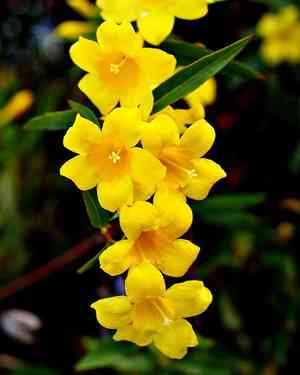
Carolina jasmine, a climbing plant recognized for its vivid yellow flowers and persistent green leaves, flourishes with appropriate trimming. Perform pruning in late winter or early spring to stimulate blooming and control its form. Eliminate any deceased or frail growth and cut back after the flowering period to regulate its dimensions. This practice revitalizes carolina jasmine, boosting its strength and the abundance of its blossoms. Refrain from severe cutting to prevent a reduction in flowers, as its blooms emerge from mature stems.
What Are the Benefits of Pruning Carolina Jasmine?
What Are the Benefits of Pruning Carolina Jasmine?
Trimming carolina jasmine promotes robust development and helps maintain its desired form, ensuring the plant stays both visually appealing and thriving.
What Is the Best Time for Pruning Carolina Jasmine?
What Is the Best Time for Pruning Carolina Jasmine?
Pruning carolina jasmine in late winter or early spring is ideal as this timing allows for shaping and removal of dead or damaged branches before the new growth cycle begins. It ensures the plant focuses energy on producing fresh, healthy growth. Additionally, pruning prior to carolina jasmine's blooming season protects upcoming flowers, which typically appear in late spring or early summer, maximizing the plant's decorative appeal.
What Tools Do I Need to Prune Carolina Jasmine?
Hand Pruners
Perfect for precise cuts on carolina jasmine's thinner stems and foliage, enabling selective shaping and removal of dead or damaged growth without harming the rest of the plant.
Loppers
Useful for cutting through thicker stems that hand pruners cannot manage, providing the necessary leverage to prune carolina jasmine once it has matured and developed stronger branches.
Pruning Saw
Essential for removing any branches exceeding an inch in diameter when carolina jasmine has been allowed to grow unchecked and has developed larger, woody stems.
Gloves
Protects hands from carolina jasmine's sap, which can cause skin irritation, as well as from any thorny sections that might be present.
Safety Glasses
Shields eyes from flying debris and sap when trimming carolina jasmine, ensuring safe pruning practices.
How to Prune Carolina Jasmine
Step1: Timing for Pruning
Select the appropriate time to prune carolina jasmine, preferably in late winter or early spring, just before active growth commences. Pruning during this period minimizes plant stress and encourages vigorous development.
Step2: Tool Sanitization
Sanitize your pruning tools before use to prevent disease spread. Use a solution of 1 part bleach to 9 parts water or rubbing alcohol to clean the blades.
Step3: Locating Overgrown Shoots
Identify overgrown shoots that are disrupting carolina jasmine's shape or flow. These are typically longer shoots that protrude from the plant's main form.
Step4: Cutting Overgrown Shoots
Trim overgrown shoots using sharp, clean pruning shears. Make cuts at a 45-degree angle, approximately 1/4 inch above a healthy bud or branching point, to encourage new growth in a desired direction.
Step5: Identifying Dead Stems
Locate dead stems on carolina jasmine by looking for stems that are brown, brittle, and lack green growth. These can be pruned back to the base or point of healthy wood.
Step6: Pruning Dead Stems
Cut dead stems with bypass pruners or a pruning saw for thicker wood. These cuts should be clean and as close to the ground or originating branch as possible, without damaging healthy tissue.
Step7: Detecting Old Wood
Find old wood by identifying stems that have not produced new growth or flowers in the past season. This wood may be thicker and have a more weathered appearance.
Step8: Rejuvenating Prune Cuts
Prune old wood to rejuvenate carolina jasmine. This will involve cutting back to a younger branch or new growth node. These cuts should also be on a slight angle to prevent water accumulation which can lead to rot.
Step9: Shaping the Plant
After making significant cuts, step back to assess carolina jasmine's shape. Trim any stray branches or shoots to maintain the desired form, ensuring not to over prune as this can stress the plant.
Step10: Debris Disposal
Dispose of all pruning debris to reduce the chance of disease or pests. Compost healthy clippings and discard any diseased or infected material.
Step11: Post-Prune Watering
Water carolina jasmine after pruning to help reduce stress and provide moisture for recovery and new growth.
Step12: Post-Prune Monitoring
Monitor carolina jasmine over the following weeks, ensuring it has sufficient water and nutrients to encourage healthy regrowth after pruning.
Post-Pruning Care for Carolina Jasmine
Post-Pruning Care for Carolina Jasmine
Immediately after pruning carolina jasmine, water thoroughly to reduce stress. Maintain a humid environment, ensuring adequate but not excessive sunlight; dappled shade is often ideal. Adjust temperatures to avoid extremes. Apply a balanced, slow-release fertilizer to support recovery and new growth. Observe carolina jasmine for wilted or discolored leaves, indicating stress or infection. If signs occur, isolate the plant and address with targeted treatments, considering consulting a plant pathologist for accurate diagnosis and care advice.
Common Pruning Mistakes with Carolina Jasmine
Avoid Excessive Cutting and Overpruning
Overpruning, which involves cutting back too much of carolina jasmine's growth and can lead to stress and reduced flowering.
Use Clean, Sharp Tools for Pruning
Using dull or dirty pruning tools, which can result in jagged cuts that are susceptible to pests and diseases.
Respect Plants' Natural Shape When Pruning
Pruning without first assessing the natural shape and growth habit of carolina jasmine, which can result in a loss of its natural beauty and structure.
Remove Dead and Diseased Branches Promptly
Ignoring dead or diseased branches, which can spread disease and affect the overall health of carolina jasmine.
Seal Large Cuts When Necessary
Not sealing larger cuts on carolina jasmine, when needed, to protect against disease and pests.
Stagger Pruning Times for Continuous Bloom
Neglecting to stagger pruning times for different parts of the plant, which helps promote continuous blooming and rejuvenation.
Common Pruning Tips for Carolina Jasmine
Clean Cuts with Sharp, Appropriate Shears
Use clean, sharp pruning shears specifically designed for cutting woody stems to make clean cuts that carolina jasmine can heal quickly from.
Prioritize Removing Unhealthy Branches
Start by removing dead, diseased, or damaged branches to promote carolina jasmine's health and direct nutrients to the vigorous parts of the plant.
Thin Out for Better Air and Light Access
Thin out dense areas to improve air circulation and light penetration, which are critical for the prevention of fungal diseases and the promotion of healthy growth.
Follow Natural Form When Shaping
When shaping carolina jasmine, follow its natural form to maintain its aesthetic and avoid a manicured look unless that is the specific intention.
Prune Above Nodes for Directed Growth
Make pruning cuts just above a leaf node or a branching point to encourage new growth in the desired direction.
Rejuvenate with Selective Old Stem Removal
For rejuvenation pruning on older plants, remove one-third of the oldest stems at ground level to stimulate new growth from the base of carolina jasmine.
Use Pruning Sealer on Larger Cuts
When sealing cuts, use a pruning sealer on cuts larger than one-half inch in diameter to protect carolina jasmine against pests and diseases.



