How to Prune Maidenhair tree?
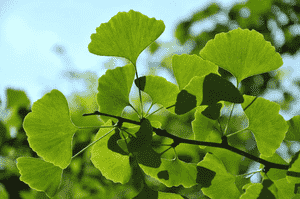
Celebrated for its distinctive fan-like foliage and hardiness, the maidenhair tree greatly profits from trimming. Remove any lifeless or compromised branches to boost vitality and preserve its form. The ideal period for pruning is in late winter or early spring prior to the emergence of leaves, which reduces sap leakage and stimulates vigorous new development. Reducing crowded branches improves light access and air movement, crucial for the plant's well-being. Thoughtful cuts can also manage its dimensions, a significant aspect for this gradually developing, enduring variety.
What Are the Benefits of Pruning Maidenhair Tree?
What Are the Benefits of Pruning Maidenhair Tree?
Trimming is vital for maidenhair tree as it promotes robust development and preserves its distinct fan-shaped leaves in an attractive manner. Regular cutting helps maidenhair tree keep a manageable form and size, suitable for its environment.
What Is the Best Time for Pruning Maidenhair Tree?
What Is the Best Time for Pruning Maidenhair Tree?
Late winter and early spring are considered ideal for pruning maidenhair tree because this timing aligns with the plant's dormant phase, just before the start of its new growth cycle. Pruning during dormancy minimizes stress on maidenhair tree and lowers the risk of disease spread. Additionally, the absence of leaves makes it easier to view the plant's structure, allowing for more precise cuts. Pruning before the spring growth spurt also means that wounds will heal faster once growth begins, promoting overall plant health and vitality.
What Tools Do I Need to Prune Maidenhair Tree?
Hand Pruners
For young or small maidenhair tree branches, hand pruners are perfect as they allow for accurate cuts and are suitable for branches up to 3/4 inch in diameter.
Loppers
Loppers offer greater leverage for slightly larger branches, up to 2 inches in diameter, which is common for mature maidenhair tree. Their long handles also help reach higher areas without a ladder.
Pruning Saw
For the largest branches of maidenhair tree, those exceeding 2 inches in diameter, a pruning saw is essential. Its sharp teeth can handle the thick, woody branches of maidenhair tree.
Pole Pruner
When it's necessary to trim higher branches without climbing, a pole pruner is beneficial. It allows gardeners to reach branches up to 8 feet above ground level on a maidenhair tree.
Gloves
Wearing gloves protects the gardenerâs hands from the sometimes rough bark and branches of maidenhair tree.
Pruning Sealer
Though not a tool, applying pruning sealer after cuts can help protect maidenhair tree from diseases, although its use is often debated among horticulturalists.
How to Prune Maidenhair Tree
Step1: Identify branches for pruning
Assess the treeâs overall health and pinpoint the branches that need trimming. Look for dead, diseased, or damaged branches as these should be prioritized when pruning maidenhair tree.
Step2: Prepare sharp and sterilized tools
Before making any cuts, ensure all pruning tools are sharp and sterilized to prevent the spread of disease. Bypass pruners, loppers, or a pruning saw may be required depending on branch size.
Step3: Prune dead branches at the collar
To remove dead branches, make clean cuts just outside the branch collar, which is the swollen area at the base of the branch. Avoid cutting into the collar as it is important for proper healing.
Step4: Remove diseased limbs with clean cuts
When removing diseased limbs, cut at least several inches into healthy wood beyond the diseased section to ensure all infected material is removed. Immediately sterilize cutting tools after use on diseased limbs.
Step5: Use three-cut method for large branches
For larger branches, use the three-cut method to prevent bark tearing. Make the first cut a few inches out from the branch collar, sawing upward only a third into the branch's underside. The second cut should be an inch past the first, sawing through the branch completely from the top down. The final cut should remove the stub by cutting downward just outside the branch collar.
Step6: Selectively prune for natural canopy shape
After pruning dead or diseased limbs, if shaping is required, selectively prune branches to maintain the natural, fan-shaped canopy characteristic of maidenhair tree. Ensure that any cuts made for shaping are also just outside the branch collar.
Step7: Clean up and dispose of pruning debris
Once all necessary branches are pruned, remove all debris from the area to reduce the likelihood of disease and pests. Decompose or discard pruned material, especially if it was diseased.
Step8: Monitor tree health post-pruning
Monitor maidenhair tree for signs of disease or pests in the following weeks, particularly in the areas where cuts were made. Proper aftercare will ensure healthy regrowth and structural integrity of the tree.
Post-Pruning Care for Maidenhair Tree
Post-Pruning Care for Maidenhair Tree
Immediately after pruning maidenhair tree, irrigate the soil to aid recovery. Position maidenhair tree in a spot with adequate sunlight, but shield from intense midday rays. Maintain moderate humidity and avoid temperature extremes. Apply a balanced, slow-release fertilizer to facilitate growth. Monitor maidenhair tree for wilted leaves or abnormal discoloration indicating stress or infection. Should these signs appear, promptly adjust care or consult an expert to address potential issues.
Common Pruning Mistakes with Maidenhair Tree
Over-pruning Reduces Photosynthesis and Weakens Plant
One common mistake is over-pruning, which can stress maidenhair tree and lead to excessive loss of foliage, reducing the plant's capacity for photosynthesis and potentially weakening it.
Dull or Unclean Tools Cause Disease-Prone Jagged Cuts
Using dull or unclean pruning tools is another error, as these can cause jagged cuts that are more prone to disease and may not heal properly on maidenhair tree.
Ignoring Plant's Natural Form Can Damage Structure and Aesthetics
Pruning without understanding the natural form of maidenhair tree can result in an unbalanced shape, potentially affecting the treeâs structural integrity and aesthetic value.
Common Pruning Tips for Maidenhair Tree
Clean Cuts at 45-Degree Angle Above Buds for Healthy Growth
When pruning maidenhair tree, make clean cuts just above the leaf buds at a 45-degree angle to encourage proper healing and to direct new growth outward.
Remove Dead, Damaged, Diseased Branches to Healthy Wood
Focus on removing dead, damaged, or diseased branches to maintain the health and appearance of maidenhair tree, being careful to cut back to healthy wood.
Preserve Natural Form When Shaping to Maintain Vigor
While shaping maidenhair tree, be cautious to preserve the tree's natural form, removing only necessary branches to avoid excessive thinning, which can reduce the treeâs vigor.



