How to Prune Common globe amaranth?
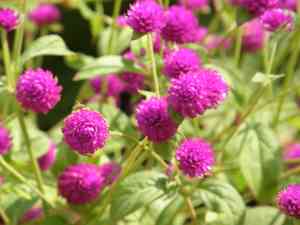
Common globe amaranth, known for its vibrant, clover-shaped blossoms, benefits greatly from consistent deadheading to stimulate ongoing flowering and preserve its structure. Throughout the cultivation period, from early spring until late autumn, remove faded blooms and elongated stalks. Focus on eliminating excessively long or lifeless material to improve air circulation and light exposure, thereby boosting the plant's general well-being and floral output. Periodic trimming can revitalize development, leading to a dense, sturdy appearance.
Advantages of Trimming Common Globe Amaranth
Advantages of Trimming Common Globe Amaranth
Trimming common globe amaranth promotes more vigorous development and helps maintain its desired compact form, encouraging dense, lush foliage and abundant blooms.
Optimal Period for Pruning Common Globe Amaranth
Optimal Period for Pruning Common Globe Amaranth
These periods are considered ideal for trimming common globe amaranth due to the plant's active growth phase. In early spring, pruning common globe amaranth can stimulate new growth and shape the plant as temperatures rise, which is perfect for its recovery and vitality. Pruning before summer ensures the plant's energy is directed towards producing healthy new shoots and plentiful flowers throughout the growing season. Late fall pruning is also suitable, preparing common globe amaranth for dormancy by removing spent flowers or dead growth, reducing disease and pest risk when the plant is less active. This timing aligns with common globe amaranth's natural cycle, after its main blooming stage, allowing trimming without sacrificing its floral display.
Necessary Tools for Pruning Common Globe Amaranth
Hand pruners
Suitable for making precise cuts on common globe amaranth's relatively thin stems during thinning or shaping.
Pruning shears
Ideal for deadheading spent flower heads to encourage more blooms on common globe amaranth.
Garden scissors
Best for trimming and maintaining the shape of common globe amaranth because of its soft stems and foliage.
Floral snips
Useful for collecting common globe amaranth's flowers for arrangements due to their delicate cutting action.
How to Prune Common Globe Amaranth
Step1: Plant Assessment for Pruning
Evaluate common globe amaranth's condition, identifying dead flowers, withered leaves, and brown branches for removal. This step requires careful distinction between dead or dying tissues and healthy growth.
Step2: Sterilization of Pruning Tools
Sanitize your pruning shears with a solution of one part bleach to nine parts water to prevent disease transmission between plants during pruning.
Step3: Deadheading Spent Flowers
Begin pruning by removing dead flowers. Cut above the next set of leaves below the flower head, leaving about a quarter-inch above the leaves. Deadheading encourages common globe amaranth to produce more blooms and maintains its appearance.
Step4: Removing Withered Leaves
Inspect common globe amaranth for withered leaves. When found, cut the leaf stem back to the plant's base or to the next healthy set of leaves. Use sharp, clean shears for clean cuts without damaging nearby stems.
Step5: Pruning Dead Branches
Identify any brown, dead branches on common globe amaranth. Prune these branches back to where green growth is visible or to the base. Ensure each cut is at a 45-degree angle to promote healing and water runoff.
Step6: Disposal of Pruned Plant Material
After pruning, properly dispose of all removed dead flowers, withered leaves, and brown branches to reduce disease or pest risk. Do not compost diseased plant material.
Step7: Post-Pruning Watering and Fertilization
Water common globe amaranth adequately and apply a balanced, slow-release fertilizer to support new growth after pruning.
Step8: Observation and Maintenance Pruning
Monitor common globe amaranth for new growth and repeat the pruning process as needed throughout the growing season to keep the plant healthy and aesthetically pleasing.
Post-Pruning Care for Common Globe Amaranth
Post-Pruning Care for Common Globe Amaranth
Immediately after pruning common globe amaranth, water thoroughly to reduce stress. Place in a bright area with indirect sunlight to foster strong regrowth, while maintaining moderate humidity and temperatures of 64-75°F. A balanced, slow-release fertilizer should be applied to replenish nutrients. Regularly inspect common globe amaranth for signs of wilting or discoloration as indicators of stress or disease. Promptly remove affected parts and adjust care as necessary to prevent further complications.
Common Pruning Errors with Common Globe Amaranth
Stress from Over-pruning
Excessive pruning, which can stress common globe amaranth and diminish its capacity to produce its characteristic vibrant, papery flowers.
Disease Spread by Unsterilized Tools
Pruning without sanitizing tools can transmit diseases to common globe amaranth, compromising its health.
Improper Cutting Angles and Jagged Cuts
Cutting at the wrong angle or making uneven cuts can cause unnecessary injury to common globe amaranth, making it more vulnerable to pests and diseases.
Ignoring Natural Plant Shape
Completely disregarding the plant's inherent form can result in an unnatural appearance and impede its growth.
Delayed Removal of Dead Material
Neglecting to promptly remove dead or diseased flowers and stems can hinder new growth and flowering.
Avoidance of Necessary Pruning
Failing to prune at all, as common globe amaranth benefits from regular deadheading to encourage continuous blooming.
General Pruning Advice for Common Globe Amaranth
Precise Cuts with Sharp Shears
Use clean, sharp pruning shears to make precise cuts on common globe amaranth to minimize damage and allow for quick healing.
Consistent Deadheading for Bloom Promotion
Prune spent blooms consistently by deadheading; this will promote further blooming and maintain the aesthetic appeal of common globe amaranth.
45-Degree Angle Cuts for Growth
Make cuts at a 45-degree angle just above leaf nodes to encourage new growth and improve airflow within common globe amaranth.
Pruning to Maintain Natural Shape
Maintain the natural shape of common globe amaranth by following its growth pattern when cutting back and shaping the plant.
Remove Wilted Parts to Prevent Disease
Regularly inspect common globe amaranth for wilted or discolored flowers and foliage, removing them to prevent the spread of disease and pests.
Light Seasonal Pruning for Plant Vigor
Cut back common globe amaranth lightly throughout the growing season to maintain plant vigor and encourage dense, bushy growth.



