How to Prune Velvet plant?
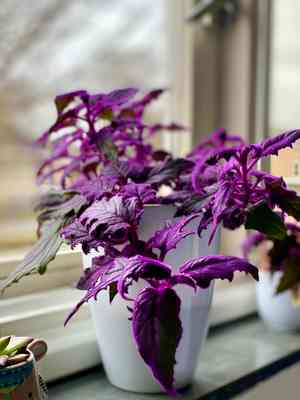
This plush, vivid, trailing indoor plant necessitates consistent trimming to preserve its form and stimulate more robust development. For velvet plant, snip off the terminal buds just beyond leaf junctions to foster a denser appearance. Shorten elongated stems to boost air movement and elevate the plant's visual charm. Perform pruning on velvet plant from early spring through late autumn, coinciding with its period of active development. Trimming can also alleviate typical size limitations in interior environments and eliminate any sparse or discolored foliage to uphold the plant's well-being and vitality.
What Are the Benefits of Pruning Velvet Plant?
What Are the Benefits of Pruning Velvet Plant?
Trimming velvet plant promotes robust development and helps maintain its desired form. It facilitates the removal of old or elongated stems, which stimulates fresh, healthier growth and contributes to a fuller, more attractive plant.
What Is the Best Time for Pruning Velvet Plant?
What Is the Best Time for Pruning Velvet Plant?
Pruning or trimming velvet plant from early spring to late fall aligns with its active growth phase, allowing the plant to recover quickly and direct energy towards new growth. In early spring, pruning can stimulate new shoots and help shape the plant before it hits the peak growing season. During the summer, trimming can maintain the desired size and encourages bushier growth by removing leggy stems. Late fall pruning should be limited to removing any damaged or diseased foliage before the plant enters dormancy; avoid extensive pruning at this time as new growth might not withstand colder temperatures.
What Tools Do I Need to Prune Velvet Plant?
Sharp Bypass Pruners
Ideal for making clean cuts on velvet plant without crushing plant tissues, promoting better healing.
Sterilizing Solution
Prevents the spread of disease between plants when cutting velvet plant.
Precision Scissors
Useful for shaping and controlling the growth of velvet plant, particularly for smaller or intricate areas.
Gloves
Protects hands from prickles or sap when pruning velvet plant.
How to Prune Velvet Plant
Step1: Inspecting for Dead or Dying Parts
Examine velvet plant for dead leaves and withered flowers. Identify plant sections that are brown, dry, or clearly showing signs of decay or demise.
Step2: Sanitizing Pruning Tools
Sanitize your pruning shears with rubbing alcohol or a 10% bleach solution to prevent the spread of disease.
Step3: Snipping Dead Leaves at Base
To remove dead leaves, carefully snip them off at the base where the leaf stem (petiole) meets the main stem. Use sharp pruning shears or scissors to make a clean cut without tearing plant tissue.
Step4: Cutting Wilted Flowers at Angle
For wilted flowers, cut the flower stalk down to the nearest set of leaves beneath the wilted bloom. Make sure to cut at a 45-degree angle to promote water run-off and prevent disease entry.
Step5: Shaping and Trimming Overgrowth
After pruning dead leaves and wilted flowers, evaluate the overall shape of velvet plant. If necessary, cut back any overgrown or leggy stems to encourage a fuller, more compact growth habit. Trim these stems just above a leaf node or a branching point.
Step6: Thinning for Better Air Circulation
Thin out any crowded areas to improve air circulation. Make cuts just above leaf nodes or branching points to remove excess growth and maintain good plant form.
Step7: Disposal of Pruned Plant Material
Discard all removed plant material away from healthy plants to avoid the potential spread of pests or diseases.
Step8: Watering After Pruning
Water velvet plant after pruning to help it recover, but be sure not to overwater. Moist soil is ideal, but soggy conditions can lead to root rot.
Step9: Monitoring for New Growth
Monitor velvet plant post-pruning for signs of new growth. Pruning often stimulates fresh growth and helps maintain a healthy and attractive plant.
Post-Pruning Care for Velvet Plant
Post-Pruning Care for Velvet Plant
Immediately after pruning velvet plant, sterilize cuts with a fungicide to prevent infection. Keep velvet plant in bright, indirect light and maintain humidity levels at 40-50% to encourage recovery without excessive moisture that could foster disease. Do not alter the temperature drastically; keep it within 65-75°F. Resume fertilization with a balanced feed after one month to support new growth, diluting to half-strength to prevent burn. Regularly inspect the pruned areas for discolored foliage or oozing, indicating stress or infection, and treat promptly with appropriate fungicides or pest remedies.
Common Pruning Mistakes with Velvet Plant
Damaged Stems from Dull Tools
Using dull or dirty pruning tools, which can damage the stems of velvet plant and introduce disease.
Over-Pruning Stress on Plant
Pruning too much at once, which can stress the plant and lead to poor growth or reduced vigor.
Harmful Cuts Near Main Stem
Cutting too close to the main stem, which can inhibit new growth or potentially cause injury to the plant.
Ignoring Dead or Diseased Foliage
Neglecting to remove dead or diseased foliage, which can hinder healthy growth and spread pathogens.
Lack of Thinning Reduces Airflow and Light
Forgoing selective thinning of dense areas, leading to poor air circulation and light penetration within the plant.
Common Pruning Tips for Velvet Plant
Use Sharp, Clean Shears for Clean Cuts
Always use sharp, clean shears to make clean cuts that velvet plant can recover from more readily.
Remove Unhealthy Leaves and Stems
Focus on removing dead, damaged, or diseased leaves and stems to promote healthier growth and improve aesthetic appeal.
Shape Maintenance Through Regular Pruning
Regularly prune to maintain the desired shape and size, which encourages bushier growth by promoting new shoots.
Promote Branching by Cutting Above Leaf Node
When trimming back leggy stems, cut just above a leaf node to encourage branching.
Support Recovery with Water and Fertilizer Post-Pruning
After pruning, provide velvet plant with adequate water and possibly a balanced fertilizer to aid recovery and bolster new growth.



