How to Prune Witch hazel?
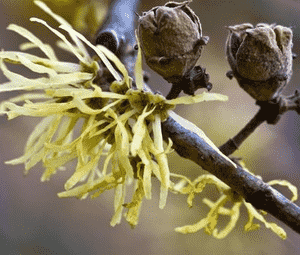
A deciduous woody plant recognized for its aromatic autumn blossoms and vivid leaves, witch hazel thrives with judicious trimming. Eliminate deceased or intersecting limbs to sustain an airy framework. Perform pruning in late spring to early summer subsequent to blooming to foster robust development and the following year's flowers. Refrain from extensive cutting to uphold the plant's inherent shape. Trimming stimulates revitalization and air circulation, enhancing the plant's general well-being and strength.
What Are the Benefits of Pruning Witch Hazel?
What Are the Benefits of Pruning Witch Hazel?
Trimming witch hazel promotes abundant blooms and stronger defenses against pests and illnesses, ensuring a robust and visually appealing shrub.
What Is the Best Time for Pruning Witch Hazel?
What Is the Best Time for Pruning Witch Hazel?
Trimming witch hazel in late spring and early summer coincides with its post-flowering phase, thereby minimizing disruption to its blooming cycle. Pruning at this time allows for the removal of spent flowers and stimulates new growth. It also permits wounds to heal before winter arrives, reducing the risk of frost damage. This timing also prevents cutting off next year's flower buds, which form on old wood. Pruning in late spring and early summer ensures cuts have ample time to recover during the growing season, lowering disease risk. Additionally, visibility improves after leaf drop, aiding in more precise pruning decisions. Pruning during this period fosters vigorous growth and maintains the plant's naturally attractive shape.
What Tools Do I Need to Prune Witch Hazel?
Hand Pruners
Suitable for making clean cuts on witch hazel's smaller branches, typically under 1/2 inch in diameter, which encourages healthy regrowth.
Loppers
Ideal for cutting through thicker stems or branches of witch hazel up to 1 1/2 inches in diameter, offering greater leverage and reach than hand pruners.
Pruning Saw
Essential for removing mature or overgrown branches from witch hazel, especially those exceeding 1 1/2 inches thick, where hand pruners and loppers are insufficient.
Garden Shears
Useful for shaping witch hazel hedges and trimming back smaller, more flexible growth that doesn't require precise cuts.
Pole Pruners
Beneficial for reaching higher branches of witch hazel without using ladders, ensuring safety and efficiency when pruning at elevated heights.
How to Prune Witch Hazel
Step1: Timing for Pruning
Select the appropriate time to prune witch hazel, usually after it flowers in spring but before summer begins. This timing allows the plant to develop buds for the following year after pruning.
Step2: Tool Preparation and Disinfection
Clean and sharpen your pruning tools before starting. Disinfect them with a solution of 1 part bleach to 9 parts water to prevent disease spread.
Step3: Removing Diseased Wood
Begin by removing any diseased wood. Cut infected branches back to healthy tissue, making the cut just above an outward-facing bud. Ensure cuts are clean and avoid leaving stubs.
Step4: Pruning Dead Branches
Next, remove any dead wood. Identify dead branches by their lack of leaves or buds and brittle texture. Prune them back to their origin point or to a main branch, ensuring a smooth cut that doesn't tear the bark.
Step5: Trimming Damaged Wood
Trim any damaged wood. These are branches that might have been broken by wind or snow. Cut them back to a healthy side shoot or main branch, similarly ensuring a clean cut to promote good healing.
Step6: Thinning Crowded Branches
Thin out any crowded branches to improve air circulation and light penetration. Remove some older stems at the base to encourage new growth.
Step7: Shaping the Plant
Shape witch hazel if needed by shortening long, unruly branches. Make cuts above a healthy bud, and angle the cut so water won't collect on the cut surface.
Step8: Post-Pruning Cleanup
After pruning, clear away all trimmings and dispose of them properly, especially if they were diseased. Do not compost diseased materials.
Step9: Watering After Pruning
Water witch hazel thoroughly after pruning to help alleviate any stress caused by the pruning process.
Step10: Monitoring Post-Pruning Growth
Monitor witch hazel for signs of new growth and vitality over the subsequent weeks, providing care as needed.
Post-Pruning Care for Witch Hazel
Post-Pruning Care for Witch Hazel
Immediately after trimming witch hazel, ensure clean cuts to aid recovery. Place witch hazel in partial shade to reduce stress and maintain moderate humidity. Avoid sudden temperature shifts. Post-pruning, apply a balanced, slow-release fertilizer to replenish nutrients. Regularly check for wilting or discoloration, indicating stress or infection. If symptoms appear, adjust care and consult a horticulturist. Consistent observation and gentle care promote witch hazel's successful recovery and vigorous growth.
Common Pruning Mistakes with Witch Hazel
Over-pruning Causes Stress and Dieback
Trimming too aggressively can cause witch hazel to become stressed, potentially leading to reduced flowering or even plant death.
Incorrect Cutting Distance Harms Plant
Making cuts either too close or too far from the bud, which can injure witch hazel or invite disease.
Dull or Dirty Tools Lead to Disease
Using dull or unclean pruning tools, which can result in jagged cuts and introduce diseases to witch hazel.
Unremoved Dead Wood Affects Health
Failing to remove all dead or diseased wood, which can negatively impact the overall health and appearance of witch hazel.
Indiscriminate Pruning Damages Natural Growth
Pruning without understanding the natural shape and growth habit of witch hazel, which can lead to an unnatural look and poor development.
Common Pruning Tips for Witch Hazel
Use Sharp, Clean Shears for Healing
Utilize sharp, clean pruning shears to make precise cuts, which lowers disease risk and ensures quicker healing for witch hazel.
Angle Cuts Above Buds for Growth
When shortening branches, make the cut at a 45-degree angle about 1/4 inch above an outward-facing bud to encourage proper new growth direction.
Remove Only Harmful Branches for Health
Remove only dead, diseased, or crossing branches to maintain the health and natural form of witch hazel, preserving its attractive vase-shaped growth habit.
Thin Branches for Better Air and Light
Thin out interior branches selectively to improve air circulation and light penetration, which promotes healthy growth and better flowering for witch hazel.
Respect Branch Collar for Healthy Trimming
Consider the branch collar when removing larger limbs, ensuring not to cut into it but still removing the branch close enough to prevent stubs that can lead to decay.



