How to Prune Algerian ivy?
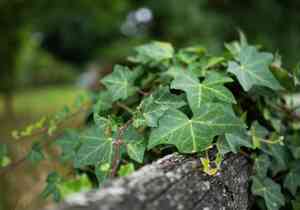
Algerian ivy, a robust evergreen vine frequently employed in landscaping for covering ground or adorning walls, significantly benefits from trimming to manage its expansion and form. Essential pruning methods involve reducing congested sections, shortening elongated stalks, and eliminating deceased or compromised leaves to foster more robust, thicker development. The most effective time for pruning is in late winter or early spring, coinciding with its natural growth pattern. Trimming improves air movement and can deter prevalent pests and illnesses. Ensuring cuts are precise and sharp is vital for the algerian ivy's health.
What Are the Benefits of Pruning Algerian Ivy?
What Are the Benefits of Pruning Algerian Ivy?
Trimming algerian ivy promotes robust development, leading to a denser and healthier specimen. It also assists in preserving the desired form, preventing excessive growth that can result in an untidy look and potential pest problems.
What Is the Best Time for Pruning Algerian Ivy?
What Is the Best Time for Pruning Algerian Ivy?
The ideal periods for trimming algerian ivy are late winter and early spring. During late winter, algerian ivy is typically in a dormant state, which is perfect for pruning as it minimizes plant stress and lowers the risk of disease transmission through cuts. Furthermore, the absence of leaves at this time allows for better visibility of the plant's structure, enabling more precise trimming. Pruning in early spring is also advantageous as it prepares algerian ivy for the new growth season by removing dead or damaged parts, thereby encouraging healthier and more vigorous development. By pruning during these seasons, gardeners can help maintain the desired shape and size of algerian ivy, avoid cutting off new buds, and ensure that energy is directed towards the production of new foliage and stems.
What Tools Do I Need to Prune Algerian Ivy?
Hand Pruners
Perfect for making accurate cuts on algerian ivy to maintain its shape or remove dead leaves. Hand pruners provide clean cuts to ensure minimal harm to the plant.
Lopping Shears
Suitable for cutting through thicker stems that hand pruners cannot manage. Lopping shears will be useful if algerian ivy has older, woodier stems.
Garden Scissors
Helpful for snipping small, delicate growth or leaves without damaging the main vines of algerian ivy.
Pruning Saw
Essential for larger stems if algerian ivy has been left untrimmed for an extended period and has developed thick, woody growth.
Hedge Shears
Appropriate for shaping algerian ivy when grown as a hedge, allowing for uniform trimming of large sections.
Gloves
To safeguard hands from potential irritants on the stems of algerian ivy during the trimming process.
Sharpener
Crucial for keeping blades keen, which is vital for making clean cuts and preventing injury to algerian ivy.
How to Prune Algerian Ivy
Clean Tools
Before beginning, sanitize pruning shears or scissors with rubbing alcohol or a 10% bleach solution to prevent the spread of diseases during trimming.
Identify
Carefully inspect algerian ivy to pinpoint and locate diseased and withered leaves that need to be removed. This helps maintain the plant's health by preventing the spread of decay.
Cut Diseased Leaves
Using the sterilized pruning tools, precisely snip off the diseased leaves at their base where they meet the stem or the next healthy part of the vine. Avoid tearing to minimize damage to algerian ivy.
Cut Withered Leaves
Similarly, remove withered leaves by cutting them at the base where they connect to the stem, ensuring clean cuts to promote rapid healing and reduce stress on algerian ivy.
Disposal
Properly dispose of the diseased and withered leaves by placing them in a sealable bag and removing them from the vicinity of algerian ivy to prevent reinfection or the attraction of pests.
Common Pruning Mistakes with Algerian Ivy
Over-Pruning
Removing too much foliage at once can stress algerian ivy and hinder its growth. Aim to trim no more than one-third of the plant at a time.
Blunt Tools
Using dull or unclean pruning shears can create jagged cuts that are vulnerable to disease and pests. Always use sharp, sterilized tools for clean cuts.
Uneven Pruning
Trimming algerian ivy without a strategy can result in an unbalanced shape and sparse growth. Develop a pruning plan to foster a harmonious shape and even foliage distribution.
Neglecting Health
Ignoring dead, diseased, or damaged stems during pruning can impede algerian ivy's health and appearance. Regularly remove these parts to promote vigor.
Forgetting To Clean Up
Failing to clear away pruned debris can attract pests and disease. Clean up all clippings from the surrounding area after pruning.
Common Pruning Tips for Algerian Ivy
Strategic Cutting
Identify and cut back leggy stems to encourage bushier growth and maintain the desired form of algerian ivy.
Watch Node Placement
Cut just above leaf nodes at an angle, allowing for optimal water run-off and to stimulate new growth from the node.
Gradual Rejuvenation
For plants that need extensive shaping or size reduction, spread the pruning over several seasons to avoid shock.
Thinning For Light
Thin out some of the older, inner branches to allow light and air to reach the center of algerian ivy, which will improve its overall health.
Maintenance Pruning
Perform consistent, light pruning to shape algerian ivy throughout the growing season rather than waiting for a once-a-year, heavy prune.



