How to Prune False sunflower?
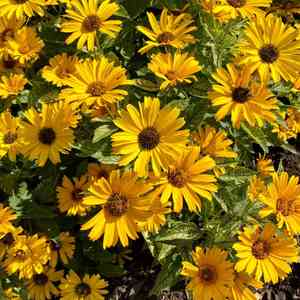
A hardy perennial recognized for its daisy-like blossoms and simple upkeep, false sunflower flourishes with consistent trimming. Trim in early spring to foster dense development and deadhead during late summer to encourage ongoing blooming. Trimming after the initial frosts can also aid in preserving its form and vitality. Pruning benefits false sunflower by improving air movement, lowering the chance of disease, and stimulating abundant flowers for a lively garden presentation.
Advantages of Trimming False Sunflower
Advantages of Trimming False Sunflower
Trimming false sunflower promotes stronger development and helps maintain a dense, attractive form. It encourages the plant to produce fresh, robust shoots and can prevent it from becoming leggy or overgrown.
Optimal Time for Trimming False Sunflower
Optimal Time for Trimming False Sunflower
In early spring, false sunflower is dormant before new growth starts, making it an ideal period for pruning without stressing the plant. Trimming at this time allows for shaping and encourages vigorous growth and more abundant blooms in the coming season. In late summer, after false sunflower has finished flowering, pruning is beneficial for removing spent blossoms and can stimulate a second, though smaller, bloom period before autumn. Additionally, late summer pruning ensures the plant doesn't expend energy on seed production and can help prevent disease by improving air circulation through the removal of dense growth.
Necessary Tools for Trimming False Sunflower
Hand Pruners
Perfect for deadheading false sunflower and cutting back old stems. They create clean cuts without harming plant tissues, which is crucial for the plant's health and disease prevention.
Pruning Shears
Best for shaping false sunflower and managing its growth. They offer precision for trimming and maintaining the desired form and size of the plant.
Long-Handled Loppers
Useful for reaching deep borders without disturbing other plants. They help cut thicker stems that hand pruners cannot handle, ensuring a clean cut for healthy regrowth.
Gardening Gloves
Protect the gardener's hands from thorns and rough stems during the pruning process of false sunflower. A good pair of gloves can provide a better grip and prevent blisters.
Garden Waste Bag
For collecting and removing pruned stems and leaves to maintain a clean environment around false sunflower, which can help prevent the spread of pests and diseases.
How to Prune False Sunflower
Step1: Inspect Plant for Damaged Stems
Inspect false sunflower for any damaged stems. This includes stems that are broken, discolored, or show signs of disease. Removing these will help prevent the spread of disease and improve the overall health and appearance of false sunflower.
Step2: Sanitize and Use Sharp Pruning Shears
Use clean, sharp pruning shears to make precise cuts. Sterilize the shears before use with a 10% bleach solution to prevent disease spread. Cut just above a healthy leaf node or a set of leaves, ensuring an angled cut for water runoff.
Step3: Deadhead Spent Blooms to Induce More Flowers
Locate the old flowers that have finished blooming on false sunflower. Deadheading, or removing the old flowers, encourages false sunflower to produce more blooms and extends the flowering period.
Step4: Prune Old Flower Stalks to Nearest Bud
Cut the old flower stalks down to the nearest bud on the stem that has yet to bloom. Ensure the cut is clean and avoid tearing the stem to foster quick healing and new growth.
Step5: Shape and Size Maintenance Trimming
After pruning damaged stems and deadheading old flowers, examine false sunflower for any additional trimming needed to maintain its desired shape and size. Lightly trim any overgrown areas to encourage bushy growth.
Step6: Safely Dispose of Pruning Debris
Dispose of all pruning waste appropriately, away from false sunflower, to prevent any potential spread of pests or diseases.
Step7: Water Plant Post-Pruning
Water false sunflower after pruning to aid its recovery and establishment following the stress of pruning. Provide adequate water but avoid overwatering, as this can also stress the plant.
Step8: Monitor Plant for Recovery and New Growth
Monitor false sunflower after the pruning process for new growth and signs of recovery. If anything appears abnormal, additional steps may be required to maintain the health of false sunflower.
Post-Pruning Care for False Sunflower
Post-Pruning Care for False Sunflower
After pruning false sunflower, water deeply immediately to aid recovery. Maintain a well-lit environment, protecting it from harsh midday sun. Regulate humidity and temperature to mimic false sunflower's natural conditions—avoid extreme fluctuations. Apply a balanced fertilizer to replenish nutrients and encourage growth. Monitor false sunflower for wilting, discoloration, or signs of infection, and treat promptly with appropriate fungicides or pest control measures. Regular inspection ensures false sunflower's robust return.
Common Pruning Errors with False Sunflower
Over-Pruning: Avoiding Severe Cutbacks
Cutting back too severely can cause false sunflower to struggle with regrowth. Generally, it's unadvisable to remove more than one-third of the plant to maintain its health.
Disease Risk: Not Removing Dead Stems
Overlooking the removal of dead or damaged stems during pruning which can lead to disease and reduced vigor in false sunflower.
Shape Disruption: Pruning Against Natural Growth
Pruning indiscriminately without taking into consideration the natural shape and growth pattern of false sunflower, leading to a less aesthetically pleasing plant.
Tool Contamination: Spreading Disease via Unclean Tools
Ignoring the cleaning and sanitizing of pruning tools, which can spread diseases between plants and negatively affect false sunflower's health.
Common Pruning Advice for False Sunflower
Clean Cuts: Using Sharp Pruning Tools
Use sharp and clean pruning shears or scissors to make clean cuts on false sunflower, which will help prevent damage and potential disease.
Selective Pruning: Removing Unhealthy Stems
Identify and remove only the dead, damaged, or diseased stems of false sunflower, cutting them back to a healthy set of leaves or a new outward-facing bud to promote beneficial growth.
Air Circulation: Thinning to Preserve Natural Shape
Prune false sunflower to preserve its natural shape, focusing on thinning crowded areas to improve air circulation and light penetration, which are essential for the plant's health and blooming.
Deadheading: Encouraging Continuous Blooms
Deadhead spent flowers of false sunflower throughout the blooming season to encourage continuous flowering and prevent self-seeding if not desired.
Angled Cuts: Promoting New Growth and Water Runoff
When pruning, make angled cuts just above the node or set of leaves to encourage new growth on false sunflower and to allow water to run off the cut surface, reducing the risk of rot.



