How to Prune Christmas rose?
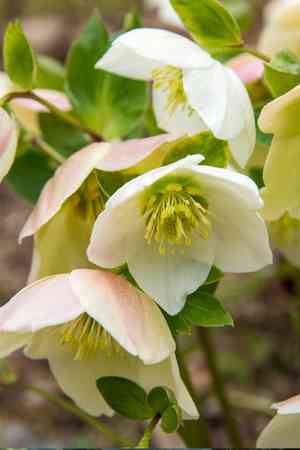
The christmas rose, celebrated for its blossoms in early winter, thrives with careful trimming to boost its vigor and aesthetic appeal. Following the blooming period, eliminate any deceased or compromised leaves to stimulate fresh development. Furthermore, in late winter, trim back spent foliage for revitalization. Pruning can be performed throughout the year if necessary, prioritizing the plant's well-being over precise seasonal schedules. This practice not only wards off ailments but also encourages a more abundant showcase of its unique blooms.
What Are the Benefits of Pruning Christmas Rose?
What Are the Benefits of Pruning Christmas Rose?
Trimming christmas rose is crucial for fostering robust development, stimulating flower production, and preserving an appealing form. This practice assists christmas rose in channeling energy to produce abundant blossoms, supports healthy growth by eliminating dead or diseased foliage, and guarantees an aesthetically pleasing shape.
What Is the Best Time for Pruning Christmas Rose?
What Is the Best Time for Pruning Christmas Rose?
Pruning christmas rose in late winter or early spring, immediately following the last severe frost, is advantageous as this is when the plant remains dormant but is preparing for new growth. Removing old, dead foliage from the previous year can help prevent disease and pest infestations. This timing also permits shaping the plant without disrupting its natural flowering cycle, which typically occurs in late winter or early spring. Pruning at this time encourages vigorous growth and helps maintain the plant's appearance and health without sacrificing the current year's blooms.
What Tools Do I Need to Prune Christmas Rose?
By-pass Hand Pruners
These are perfect for making precise and clean cuts, vital for removing dead or diseased foliage from christmas rose without harming the healthy sections.
Pruning Snips
For more delicate, detailed tasks such as thinning smaller stems or removing spent flowers, pruning snips are easier to maneuver in the confined spaces typical of christmas rose.
Gloves
Wearing gloves safeguards your hands from the sap of christmas rose, which can cause skin irritation, and also provides a better grip on pruning tools.
Disinfectant
Ensure your tools are cleaned before and after pruning christmas rose to prevent the spread of any diseases; a simple solution can be rubbing alcohol or a specialized tool disinfectant.
How to Prune Christmas Rose
Step1: Identify pruning areas: withered, diseased, damaged
Pinpoint the sections of christmas rose that require trimming. Focus on faded flowers, ailing leaves, and any stems that are damaged or showing signs of decay. This aids in promoting healthy growth and enhances the plant's appearance.
Step2: Sanitize pruning tools to prevent disease spread
Disinfect your pruning tools before starting to prevent the transmission of disease. You can use alcohol wipes or a solution of one part bleach to nine parts water to sanitize your shears or scissors.
Step3: Remove withered flowers for new growth
Begin by removing faded flowers to encourage fresh growth. Cut the flowering stems just above a set of healthy leaves. Make the cut at a 45-degree angle to prevent water accumulation, which can lead to disease.
Step4: Prune diseased leaves by cutting at base
Next, trim away diseased leaves. Look for any leaves with black spots, mildew, or other indications of fungal infection. Cut the affected leaves at their base where they meet the stem, being careful not to harm any healthy tissue.
Step5: Cut back damaged stems to healthy growth point
Inspect the stems of christmas rose for any that are damaged, such as those that are broken or show signs of rot. Prune these stems back to a healthy part of the plant. Ensure to cut just above a healthy leaf node to encourage new growth.
Step6: Dispose of pruned material, avoid composting diseased parts
After pruning, properly discard all removed material. Do not compost diseased leaves or stems as this can spread pathogens. Place them in a plastic bag and dispose of them or burn them if permitted in your area.
Step7: Clean tools post-pruning to avoid pathogen transfer
Clean your pruning tools again after you've finished to ensure no pathogens are transferred to other plants. Proper tool maintenance also keeps them sharp and effective for future use.
Step8: Water plant at base post-pruning for disease prevention
Water christmas rose at its base to avoid wetting the foliage, which can lead to fungal diseases. Ensure the soil is well-drained and that christmas rose is not sitting in waterlogged conditions, especially after pruning when the plant is in a vulnerable state.
Step9: Monitor plant for new growth and health post-prune
Observe christmas rose for signs of new growth and improved health. Regularly check for and remove any new diseased leaves or withered flowers. This will help keep christmas rose looking its best and free from disease.
Post-Pruning Care for Christmas Rose
Post-Pruning Care for Christmas Rose
Following pruning christmas rose, ensure immediate watering to lessen transplant shock. Maintain light shade to prevent scorching, with stable humidity and a temperature range of 60-75°F. Apply a balanced, slow-release fertilizer to aid recovery. Monitor christmas rose for wilting or discoloration as indicators of stress or infection, and promptly remove any affected parts while ensuring good air circulation to prevent further disease spread.
Common Pruning Mistakes with Christmas Rose
Pruning Healthy New Growth
Trimming christmas rose's healthy growth along with old foliage. New growth should be left untouched to ensure the plant's energy is directed towards blooming.
Over-Pruning Shocking Plant
Removing too much foliage at once can shock christmas rose, potentially hindering future growth and reducing blooms.
Damaging Stems with Dull Tools
Using dull or unclean tools for pruning can harm christmas rose's stems, making them vulnerable to disease.
Common Pruning Tips for Christmas Rose
Selective Pruning for Health
Examine christmas rose closely and trim only the dead, damaged, or diseased foliage to maintain plant health without jeopardizing next year's growth.
Clean Cuts with Sterile Shears
Make precise cuts with sharp, sterilized pruning shears to minimize harm and facilitate a swift recovery for christmas rose.
Deadhead After Flowering for Growth
After blooming, remove spent flower heads to encourage christmas rose's energy use in developing strong roots and leaves instead of producing seeds.



