How to Prune Chameleon plant?
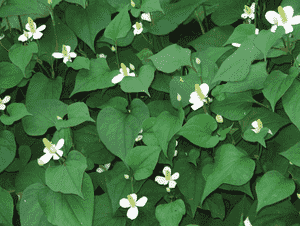
Originating from Southeast Asia, Houttuynia cordata is recognized for its cordate foliage and expansive nature. Perform vigorous pruning in early spring prior to the emergence of new shoots to manage its invasive tendencies and encourage denser development. Cut stems near the soil surface. Consistent trimming in late summer can restrict excessive growth. Pruning fosters more vivid leaves and deters the plant from dominating other varieties within the garden.
What Are the Benefits of Pruning Chameleon Plant?
What Are the Benefits of Pruning Chameleon Plant?
Trimming chameleon plant promotes robust development and helps maintain its form, preventing excessive growth that could otherwise lead to a disheveled look and hindered air circulation.
What Is the Best Time for Pruning Chameleon Plant?
What Is the Best Time for Pruning Chameleon Plant?
Trimming in early spring allows gardeners to shape chameleon plant before new development starts, ensuring energy is directed to desired growth areas. This timing also minimizes disease risk, as cuts heal quickly during the growing season. Pruning in late summer is beneficial as it helps manage the spread and invasiveness of chameleon plant by removing excess growth after flowering. It's crucial to avoid pruning in late fall or winter when the plant is dormant, to prevent new growth susceptible to frost damage. Moreover, pruning during active growth periods fosters a healthier, more manageable plant.
What Tools Do I Need to Prune Chameleon Plant?
Hand Pruners
Perfect for making clean cuts on chameleon plant's soft stems, enabling precise shaping and removal of unwanted parts.
Shears
Suitable for trimming the edges of chameleon plant's thick foliage, especially where exactness is less critical.
Garden Gloves
Protect hands from chameleon plant's potentially irritating sap during trimming activities.
Pruning Saw
Useful for cutting back older, woody stems of chameleon plant if needed, though such growth is less common for this species.
Long-Handled Loppers
Helpful if chameleon plant has grown into dense thickets, providing leverage to remove larger stems without constant bending.
How to Prune Chameleon Plant
Step1: Identify Dead or Withered Growth
Locate the withered or dead sections of chameleon plant. These are typically discolored or dry stems and leaves that no longer contribute to the plant's development or appearance.
Step2: Sterilize Pruning Tools
Sanitize your pruning tools with isopropyl alcohol to prevent disease spread. Clean cuts are vital for chameleon plant's health.
Step3: Prune Dead Stems at Base
Begin trimming the withered growth by cutting at the base of the dead stems. Make the cut slightly above ground level or just above a healthy leaf set or bud, being careful not to harm new shoots.
Step4: Shape and Size Control
For overgrown stems, determine the desired shape and size for chameleon plant. Ideally, pruning should maintain the plant's natural form while controlling its spread.
Step5: Trimming Above Leaf Node
Trim the overgrown stems by making cuts just above a leaf node or branching point. This encourages chameleon plant to branch out and become fuller.
Step6: Improve Air Circulation by Pruning
Remove any stems that cross each other or grow inward to enhance air circulation and light penetration, which is crucial for chameleon plant's health.
Step7: Dispose of Pruned Material
Discard all removed plant material far from chameleon plant to prevent the spread of any potential pests or diseases.
Step8: Water Plant Post-Pruning
Water chameleon plant lightly after pruning to aid recovery, being careful not to over-water, as chameleon plant prefers well-drained soil.
Step9: Monitor Plant's Pruning Response
Observe chameleon plant for a few days to ensure it is responding well to the pruning. New growth should start to appear where cuts were made.
Step10: Fertilize for Healthy Regrowth
Finally, apply a balanced, slow-release fertilizer to promote healthy regrowth of chameleon plant after the plant has been pruned and has shown signs of new growth.
Post-Pruning Care for Chameleon Plant
Post-Pruning Care for Chameleon Plant
Immediately after trimming chameleon plant, water the plant thoroughly to reduce stress and assist in recovery. Adjust light exposure to bright, indirect sunlight to prevent leaf burn while maintaining a humid environment and stable temperatures between 60-80°F. Apply a balanced liquid fertilizer to replenish essential nutrients and support regrowth. Monitor for signs of wilting, discoloration, or infection in the following weeks. If symptoms appear, adjust care accordingly and consider applying organic fungicide or insecticide if infection is suspected.
Common Pruning Mistakes with Chameleon Plant
Over-Pruning Shocks Plant Growth
Trimming chameleon plant too severely can shock the plant, hindering its growth or causing it to produce an excess of foliage at the expense of flowering.
Ragged Cuts from Dull Tools Harm Plants
Failing to use clean, sharp tools can result in ragged cuts that harm chameleon plant, making it susceptible to diseases and pests.
Ignoring Natural Growth Habits Causes Imbalance
Not considering the plant's natural growth habit can lead to an unbalanced shape and may restrict air circulation, causing health issues.
Common Pruning Tips for Chameleon Plant
Selective Pruning Enhances Shape and Health
Practice selective pruning on chameleon plant by removing only the parts that are overgrown or dead, which encourages a well-maintained shape and promotes healthy growth.
45-degree Angle Cuts Direct New Growth
Make clean cuts at a 45-degree angle just above a node or branching point to stimulate chameleon plant to produce new growth in the desired direction.
Thinning Dense Areas Prevents Disease, Boosts Vigor
Thin out dense areas of chameleon plant to improve air circulation and light penetration, which can reduce the risk of disease and encourage more vigorous growth.



