How to Prune Creeping St. John's wort?
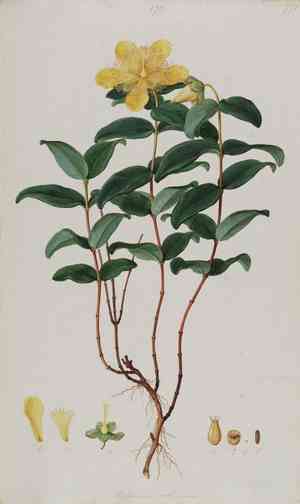
A sprawling evergreen featuring brilliant yellow blossoms, creeping St. John's wort flourishes with periodic trimming. After blooming, shorten excessively long stems to preserve its form and stimulate denser development. The ideal period for this task is late spring or early summer. Eliminate any lifeless or ailing branches as required. Trimming revitalizes creeping St. John's wort, boosting its capacity for ground coverage and bloom production, simultaneously preventing a sparse, woody appearance. Consistent, gentle trimming is favored to uphold the plant's compact, mat-like structure.
What Are the Advantages of Trimming Creeping St. John's Wort?
What Are the Advantages of Trimming Creeping St. John's Wort?
Trimming creeping St. John's wort promotes robust development and a full appearance, boosting its blooming potential. Regular cutting helps manage its size, keeps its groundcover habit neat, and can lessen vulnerability to pests and illnesses, preserving overall plant vitality.
When Is the Optimal Time for Trimming Creeping St. John's Wort?
When Is the Optimal Time for Trimming Creeping St. John's Wort?
The best period for trimming creeping St. John's wort is late spring to early summer. This timing coincides with the plant's active growth phase after its flowering season, which typically occurs in early spring. Trimming during this window stimulates new growth and maintains a desired shape without significantly impacting the season's flower display. It allows the plant to recover quickly and reduces disease risk. Avoiding fall or winter trimming minimizes potential frost damage to new shoots that might emerge post-trimming.
What Equipment Is Necessary to Trim Creeping St. John's Wort?
Hand Pruners
For accurate cuts and shaping of creeping St. John's wort, hand pruners or secateurs are the primary implement. Perfect for snipping smaller stems and overgrown branches while ensuring minimal harm to the plant.
Lopping Shears
For older, thicker stems of creeping St. John's wort that are too sturdy for hand pruners, lopping shears with extended handles offer greater leverage and are suitable for medium-sized branches, ensuring clean cuts without excessive effort.
Hedge Shears
When creeping St. John's wort forms dense mats or hedges, hedge shears are useful for shaping and maintaining uniform surfaces, allowing for quick and efficient trimming of the foliage.
Pruning Saw
In instances where creeping St. John's wort has developed woody stems too thick for other tools, a pruning saw is essential to manage the plant effectively without harming its structure.
Gloves
Wearing gloves safeguards the gardener's hands from thorns and sap while trimming creeping St. John's wort, providing a safer and more comfortable pruning experience.
How to Trim Creeping St. John's Wort
Sanitize Tools
Before beginning, ensure all trimming tools are sanitized using isopropyl alcohol or a bleach solution to prevent the spread of disease to creeping St. John's wort.
Remove Diseased Parts
Carefully inspect creeping St. John's wort and remove any diseased leaves and branches. Use clean cuts to eliminate these parts entirely, avoiding tearing or jagged edges which can hinder recovery.
Trim Withered Elements
Identify and snip away any withered leaves, withered flowers, and dead branches. This encourages creeping St. John's wort to direct energy towards healthy development.
Manage Growth
To control excessive growth, selectively trim branches that are disrupting the shape of creeping St. John's wort. Make your cuts just above a leaf node or bud to promote compact, bushy growth.
Clean Up
After trimming, clear the area around creeping St. John's wort by removing all trimmings. This will reduce the risk of pest infestation and disease.
Common Trimming Errors with Creeping St. John's Wort
Excessive Trimming
Removing too much foliage which can stress creeping St. John's wort, making it more vulnerable to pests and diseases.
Shearing Only
Shearing creeping St. John's wort into a tight form may appear neat but can result in a dense outer layer that prevents light and air from reaching the inner branches, leading to poor growth and reduced flowering.
Neglecting Deadwood
Failing to remove dead or diseased wood can impede creeping St. John's wort's growth and potentially spread disease within the plant.
Uneven Cutting
Performing uneven cuts or using dull tools can damage stems and branches, leading to irregular growth and potential entry points for disease.
Ignoring Shape
Not considering the natural growth habit of creeping St. John's wort when trimming can result in an unnatural appearance and potentially harm the plant's health.
Common Trimming Advice for Creeping St. John's Wort
Selective Trimming
Target individual stems to shape creeping St. John's wort and maintain an open, natural form which promotes healthy growth and air circulation.
Clean Tools
Always use clean, sharp tools to make precise cuts. This helps prevent the spread of pests and diseases while minimizing stress on creeping St. John's wort.
Thin Out
Remove some of the older stems at the base to encourage new growth and rejuvenate creeping St. John's wort, which can also help in maintaining more blooms.
Follow Growth Pattern
Trim creeping St. John's wort by following its natural growth pattern to maintain its characteristic form and encourage flowering.
Gradual Renewal
If rejuvenation is needed, practice gradual renewal trimming over several years for creeping St. John's wort, rather than hard trimming all at once, to avoid shocking the plant.



