How to Prune Dahoon?
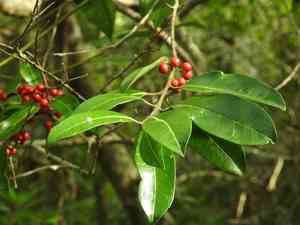
This perennial bush, recognized for its lustrous foliage and crimson fruit, flourishes with infrequent trimming. For dahoon, deliberate cutting to sculpt the plant or eliminate deceased branches ought to happen in winter, capitalizing on its inactive period. Trimming at this juncture encourages robust spring development. Judicious thinning can additionally boost air movement and light access, thereby improving general well-being and fruit yield. Refrain from severe reduction, as dahoon reacts most favorably to subtle shaping.
Advantages of Trimming Dahoon
Advantages of Trimming Dahoon
Trimming dahoon promotes robust development and helps maintain its desired shape. Strategic cuts can stimulate new growth, resulting in a fuller, healthier specimen.
Optimal Time for Trimming Dahoon
Optimal Time for Trimming Dahoon
Trimming dahoon in late winter to early spring is advantageous because the plant is still dormant, minimizing stress and the risk of disease transmission. This timing allows gardeners to easily shape the plant and remove any damaged or diseased branches without disrupting the upcoming growth spurt. It also ensures that the plant's energy is directed towards healing pruning wounds and producing new growth, which is especially valuable if the plant is used for hedges or as a landscape feature. Additionally, since dahoon may produce berries, pruning in late winter allows for the display of fruits in fall and winter, which are beneficial for wildlife and ornamental appeal. Pruning too late in the season can remove flower buds and reduce berry production.
Necessary Tools for Trimming Dahoon
Hand Pruners
Perfect for cutting stems and small branches up to 3/4 inch thick, enabling precise cuts for shaping dahoon or removing damaged foliage.
Loppers
Featuring long handles, these provide leverage to cut through branches up to 1 1/2 inches thick, useful for reaching into the denser parts of dahoon's canopy without harming the plant or the gardener.
Pole Pruners
Enable the removal of branches in the upper section of dahoon without needing a ladder, ensuring safety while preserving the plant's structure.
Pruning Saw
Essential for cutting through branches thicker than 1 1/2 inches, which dahoon may develop as it matures, providing a clean cut that aids healing.
How to Trim Dahoon
Sanitize tools
Sterilize trimming tools before beginning to prevent the spread of diseases to dahoon.
Inspect
Examine dahoon closely to identify all dead and diseased branches that need removal.
Cut dead branches
Make clean cuts to remove dead branches at their junction with healthy wood, ensuring you do not harm the collar or the remaining healthy part of dahoon.
Remove diseased branches
Cut out diseased branches on dahoon well below the affected area to prevent infection spread. Be sure to sterilize tools after each cut.
Disposal
Properly discard all removed dead and diseased material from dahoon to prevent any potential disease recurrence.
Common Trimming Errors with Dahoon
Excessive trimming
Removing too much foliage at once can stress dahoon, leading to poor growth and reduced vigor.
Incorrect cut placement
Cutting too far from a bud or node, or leaving a stub, can impede dahoon's healing process and potentially invite disease.
Using dull tools
Blunt trimming tools can damage dahoon's branches, creating jagged cuts that are more susceptible to disease.
Neglecting hygiene
Failing to sanitize trimming equipment can spread pathogens to dahoon, risking the plant's overall health.
Trimming without a plan
Random, unplanned trimming can result in an undesirable shape, affecting dahoon's aesthetic and natural form.
General Trimming Advice for Dahoon
Clean cuts
Make clean, angled cuts just above a leaf node or bud to encourage healthy re-growth in dahoon.
Selective trimming
Aim for selective trimming that maintains dahoon's natural shape, prioritizing dead, diseased, or crossing branches first.
Gradual trimming
Trim dahoon gradually over time rather than all at once, keeping in mind not to remove more than one-third of the growth in a single session.
Tool maintenance
Regularly maintain and sharpen trimming tools to ensure precise and clean cuts when working with dahoon.
Post-trimming care
Provide dahoon with adequate water and nutrients after trimming to support recovery and new growth.
Follow natural shape
When reducing height or shaping dahoon, follow the natural outline to maintain the plant's structural integrity and aesthetic.



