How to Prune Large gallberry?
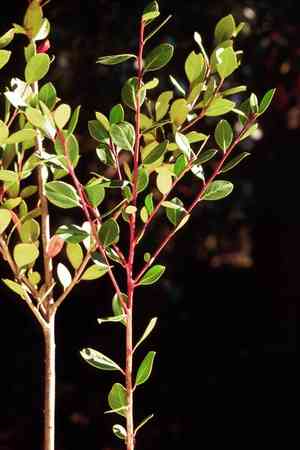
A robust evergreen bush, large gallberry flourishes in diverse environments, displaying glossy foliage and tiny, white blossoms. To ensure vigorous development, trim in late winter prior to the emergence of new shoots. Eliminate any deceased, injured, or excessively dense branches to preserve its form and improve air circulation. Removing older stalks can revitalize the specimen. Since large gallberry reacts favorably to trimming, it is advantageous for managing its dimensions and fostering thicker leaves, thereby boosting its aesthetic value. Always employ sanitized, keen implements to avert illness.
Advantages of Trimming Large Gallberry
Advantages of Trimming Large Gallberry
Trimming large gallberry encourages robust new development and preserves its desired shape, ensuring the plant stays healthy and visually appealing in a landscape.
Optimal Period for Trimming Large Gallberry
Optimal Period for Trimming Large Gallberry
Trimming or shaping large gallberry during late winter is ideal because the plant's growth cycle is dormant then. This allows for the removal of any dead or unhealthy parts without disturbing or harming the active growth that occurs in spring and summer. Late winter trimming minimizes the risk of disease transmission, as many pathogens are less active in cold weather. Additionally, it helps shape the plant before the spring growth surge and ensures the plant doesn't waste resources on parts that will be removed. It also prevents the accidental removal of flower buds, which formed the previous year, ensuring the plant's blooming and fruiting are not negatively affected. This timing aligns with the plant's natural life cycle, promotes vigorous growth, and supports the overall health of large gallberry.
Tools Required for Trimming Large Gallberry
Hand Pruners
Perfect for cutting small branches up to 3/4 inches in diameter, hand pruners offer the precision and control needed for shaping large gallberry.
Loppers
With longer handles and increased cutting capacity, loppers are excellent for reaching higher branches and cutting through stems up to 2 inches thick, ensuring healthy growth without harming large gallberry.
Pruning Saw
For branches thicker than 2 inches, a pruning saw provides the necessary power and blade length to make clean cuts without damaging the main structure of large gallberry.
Hedge Shears
For trimming and shaping hedges or the dense foliage of large gallberry, hedge shears allow for quick, uniform cuts over a larger area.
Gloves
Protective gloves are crucial for gardener safety when handling large gallberry, which has spiny leaves that can irritate the skin.
How to Trim Large Gallberry
Clean Tools
Before beginning, ensure pruning tools are clean and sharp to prevent disease spread and make precise cuts.
Identify Branches
Examine large gallberry for dead or diseased branches. These can be identified by signs of decay, discoloration, or a lack of leaves.
Cut Dead Branches
Carefully cut dead branches where they meet healthy tissue, just above a lateral branch or bud, without cutting into living parts.
Remove Diseased Branches
Remove diseased branches by cutting well below the affected area, and dispose of them away from healthy plants to prevent contamination.
Cleanup
After trimming, clear all debris from around large gallberry to discourage pests and diseases from breeding in the detritus.
Common Trimming Errors with Large Gallberry
Over-Trimming
Removing too much foliage from large gallberry can shock the plant, leading to weakened health or stunted development.
Incorrect Cutting Technique
Improperly making cuts, such as tearing branches or leaving stubs, can lead to disease and pest infestation in large gallberry.
Trimming Without Disinfecting Tools
Failing to clean trimming tools before use on large gallberry can introduce pathogens and spread disease among plants.
Ignoring Dead Or Diseased Wood
Overlooking the removal of dead or diseased branches can hinder large gallberry's ability to thrive by draining energy and inviting decay.
Excessive Shaping
Attempting to over-shape large gallberry by cutting into old wood can diminish its natural form and may result in fewer flowers and berries.
General Trimming Advice for Large Gallberry
Selective Thinning
Thin out crowded branches on large gallberry to improve air circulation and sunlight penetration for a healthier plant.
Correct Cutting Angle
Make clean cuts at a 45-degree angle just above a leaf node or bud to promote better healing and new growth in large gallberry.
Consistent Maintenance
Regularly remove any broken or diseased branches to maintain large gallberry's overall health and appearance.
Disinfecting Tools
Always disinfect trimming tools before and after use on large gallberry to prevent the spread of disease.
Understanding Growth Patterns
Recognize the growth patterns and life cycle of large gallberry to make trimming decisions that support the plant's natural shape and vigor.



