How to Prune Japanese holly?
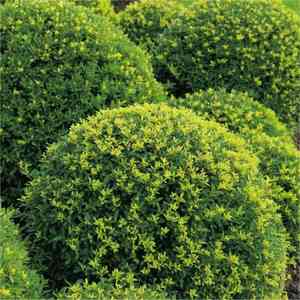
This perennial bush, recognized for its diminutive, deep green, serrated foliage, flourishes with periodic trimming. For japanese holly, essential methods involve reducing dense branches and molding to preserve a dense structure. The most effective time for pruning is in winter, beyond its period of active development. Trimming boosts plant health and sustains preferred visual appeal. When trimming, execute precise cuts at branch junctions and refrain from excessive pruning to avert sparse development and uphold the plant's inherent contour.
Advantages of Trimming japanese holly
Advantages of Trimming japanese holly
Trimming japanese holly encourages robust new development, ensuring a thick and vibrant look. Regular shaping maintains its desired form, making it perfect for hedges or sculpted designs.
Optimal Period for Pruning japanese holly
Optimal Period for Pruning japanese holly
Winter is considered the best time for pruning japanese holly as the plant is in a dormant state. Pruning during dormancy reduces plant stress, lowers the chance of disease transmission, and promotes strong spring growth. It allows for clear visibility of the plant's structure without leaf obstruction, simplifying strategic cuts. Additionally, since japanese holly has completed its annual growth cycle, winter pruning avoids cutting off new buds essential for the upcoming growing season. This timing also prevents disruption to flowering or fruiting periods that might occur in other seasons.
Required Tools for Pruning japanese holly
Hand Pruners
Perfect for cutting small branches and twigs on japanese holly, hand pruners enable accurate cuts without harming delicate stems.
Loppers
Used for reaching into dense foliage and cutting thicker branches that hand pruners cannot manage, loppers offer leverage and extended reach.
Hedge Shears
Most suitable for shaping and trimming the thick foliage of japanese holly, hedge shears provide even and clean cuts across multiple stems.
Pruning Saw
For removing larger branches too thick for loppers, a pruning saw provides the necessary cutting power without tearing the bark of japanese holly.
Gloves
Protects the gardenerâs hands from thorns and sharp edges while pruning japanese holly.
Step-by-Step Approach
Begin with hand pruners for small twigs, then use loppers for medium branches, followed by hedge shears for shaping, and finally a pruning saw for any large branches.
How to Prune japanese holly
Step1: Timing for Pruning
Determine the best time to prune japanese holly, which is late winter to early spring, before new growth starts, to ensure minimal plant stress and maximum vigor for the upcoming growing season.
Step2: Tool Sanitization Before Pruning
Sanitize pruning tools with rubbing alcohol or a bleach solution before starting and between cuts, especially when pruning diseased branches, to prevent disease spread.
Step3: Pruning Dead Wood
Begin pruning by removing dead wood. Make clean cuts with sharp bypass pruners or loppers, cutting back to the base of the dead branch without harming healthy stems.
Step4: Removing Diseased Branches
Identify and prune out diseased branches. Look for discoloration, abnormal growth, or signs of infection. Cut the branch 6-12 inches below the affected area, disposing of it carefully.
Step5: Elimination of Broken Branches
Inspect japanese holly for broken branches and remove them with careful cuts just above a healthy bud, lateral branch, or at the branch collar without leaving stubs.
Step6: Thinning for Light and Air Flow
After removing dead, diseased, or broken branches, step back to assess the shape of japanese holly. Thin out the plant if necessary by removing some of the older, larger branches to improve light and air penetration.
Step7: Selective Shaping and Thinning
If shaping japanese holly, make selective thinning cuts to help maintain its natural form. Avoid shearing unless japanese holly is being maintained in a formal shape or hedge.
Step8: Post-Pruning Cleanup and Wound Care
Clean up all debris from pruning to prevent potential re-infection or infestation and apply a suitable wound dressing if needed for larger cuts to promote healing.
Post-Pruning Care for japanese holly
Post-Pruning Care for japanese holly
Immediately after pruning japanese holly, ensure clean cuts to prevent disease and stress. Provide ample light but shield from intense direct sun that can scorch new growth. Maintain moderate humidity and stable temperatures â sudden fluctuations can hinder recovery. Apply a balanced, slow-release fertilizer to replenish nutrients; avoid over-fertilization which can burn roots. Regularly inspect for wilting or discoloration indicating distress. Should signs of infection appear, treat promptly with a suitable fungicide or insecticide. Consistent care ensures japanese holly's robust regrowth.
Common Pruning Errors with japanese holly
Over-pruning Single Session Stress
Pruning too much in one session, which can stress japanese holly and lead to sparse growth or a weakened state
Using Dull or Dirty Pruning Tools
Neglecting to use clean, sharp tools, which can result in jagged cuts and increase the risk of disease
Improper Cuts on Woody Stems
Cutting too close or into the woody parts of old stems without leaving a stub, which can hinder new growth and potentially damage the plant
Disregarding Natural Plant Shape
Ignoring the natural shape of japanese holly, leading to an unnatural appearance or stunted growth
Not Removing Dead or Diseased Branches
Failing to remove dead or diseased branches, which can sap energy from japanese holly and promote the spread of pests and diseases
Common Pruning Advice for japanese holly
Remove Dead or Diseased Branches First
Begin by removing any dead, diseased, or damaged branches to maintain health and vigor
Use Clean, Sharp Shears for Precise Cuts
Use clean, sharp pruning shears to make precise cuts, which help japanese holly recover faster and minimizes damage
Prune to Enhance Natural Shape and Airflow
Prune to maintain the natural shape of japanese holly, selectively thinning out crowded areas to improve air circulation and light penetration
Angle Cuts Away from Buds for Directed Growth
Make cuts at a slight angle away from buds to encourage new growth in the desired direction
Prune Back to Branch or Bud to Minimize Stubs
When reducing height or width, cut back to a lateral branch or bud to avoid leaving unsightly stubs
Gradual Pruning for Shape and Size Control
For shaping and size control, prune incrementally over several seasons to avoid excessive stress on japanese holly



