How to Prune Possumhaw?
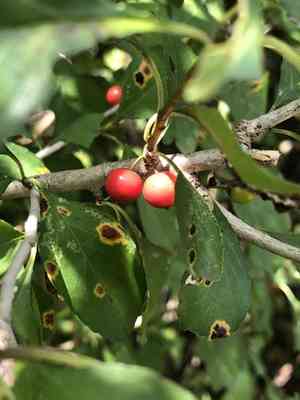
Indigenous to North America, possumhaw is a deciduous holly characterized by vibrant red fruits and a compact, spherical structure. Trim possumhaw during late winter or early spring, prior to the emergence of new shoots, to preserve its shape and stimulate robust foliage. Eliminate any lifeless, impaired, or intersecting branches to foster better air movement and light exposure. Pruning subsequent to spring could result in the loss of the current year's berries, making precise timing essential for retaining its decorative attributes. Consistent trimming also fosters a denser growth pattern and accentuates possumhaw's inherent silhouette.
What Are the Benefits of Pruning Possumhaw?
What Are the Benefits of Pruning Possumhaw?
Trimming possumhaw promotes strong development and helps maintain its desired form. Regular cutting can result in a fuller, healthier plant with enhanced structure and visual appeal.
What Is the Best Time for Pruning Possumhaw?
What Is the Best Time for Pruning Possumhaw?
Pruning possumhaw in late winter or early spring coincides with the end of its dormant phase, just before new growth emerges. This timing allows gardeners to shape the plant and remove any dead or diseased wood without harming new growth or flower buds. As possumhaw is a deciduous plant that blooms on old wood, pruning in late winter to early spring ensures that its flowering potential is not diminished. Furthermore, this period offers better visibility of the plant's structure due to leaf drop, simplifying informed pruning decisions. It also stimulates vigorous springtime growth and helps maintain plant health by eliminating parts that might harbor pests or diseases.
What Tools Do I Need to Prune Possumhaw?
Hand Pruners
For cutting individual branches on possumhaw with a diameter less than 1/2 inch, hand pruners offer precise cuts that ensure clean and healthy growth. Their compact size allows for selective trimming of the plant.
Loppers
When branches on possumhaw exceed 1/2 inch in diameter but are still under 1 and 1/2 inches, loppers provide the necessary leverage for clean cuts without harming the plant. They also extend reach for higher branches.
Pruning Saw
For mature possumhaw specimens with branches over 1 and 1/2 inches in diameter, a pruning saw is essential. The saw enables clean cuts through larger branches, preventing tears that could lead to disease.
Hedge Shears
If shaping is needed for possumhaw, hedge shears are suitable for trimming and shaping the foliage, which is beneficial for maintaining an aesthetically pleasing, dense hedge.
Pole Pruner
For higher branches on possumhaw that are out of reach from the ground, a pole pruner can safely trim without using a ladder. This ensures the gardener's safety while promoting good plant health.
How to Prune Possumhaw
Step1: Timing for Pruning
Determine the optimal time for pruning possumhaw, which is in late winter or early spring before new growth begins.
Step2: Sanitize Pruning Tools
Clean and disinfect your pruning tools to prevent the spread of disease to possumhaw.
Step3: Remove Damaged Wood
Begin by removing any damaged wood. Look for broken, diseased, or dying branches and cut them back to healthy wood. Make precise cuts just above a bud or branching point, avoiding stubs.
Step4: Prune for Rejuvenation
Prune old growth to revitalize possumhaw and encourage new, more vigorous development. Select older, less productive branches and cut them back to their origin point or to a strong lateral branch. This will also improve light penetration and air circulation within the possumhaw canopy.
Step5: Eliminate Suckers
Remove suckers, which are sprouts growing from the base or roots of possumhaw. Cut these as close to the base as possible without harming the main trunk or root structure.
Step6: Shape Plant Aesthetically
Shape possumhaw as desired, but consider its natural growth habit for the best aesthetic outcome. Make selective cuts to encourage a balanced structure, avoiding over-thinning the canopy, as this can stress the plant.
Step7: Angle Cuts for Health
When making each cut, ensure it is clean and at a 45-degree angle to prevent water accumulation, which can lead to rot and disease. The cut should face away from the plant's center.
Step8: Cleanup Pruning Debris
After pruning, clear away all trimmings to reduce the risk of disease and pests. Dispose of or compost the cut material appropriately.
Step9: Monitor Plant Post-Pruning
Monitor possumhaw after pruning for signs of new growth and overall plant health. Water and fertilize as needed to support recovery and growth.
Post-Pruning Care for Possumhaw
Post-Pruning Care for Possumhaw
After pruning possumhaw, immediately ensure cuts are clean and smooth for quick healing. Place possumhaw in an environment with moderate light and stable temperatures, avoiding extremes. Maintain consistent soil moisture without waterlogging. Apply a balanced, slow-release fertilizer to support new growth. Regularly check for signs of distress, such as wilting or discoloration, which may indicate stress or infection. At any sign of poor health, promptly adjust care practices and consider consulting a plant pathologist for appropriate disease management.
Common Pruning Mistakes with Possumhaw
Over-Pruning and Plant Shock
Pruning too much at once can shock possumhaw, potentially leading to poor health or reduced flowering. Removing more than one-third of the plant in a single pruning session is generally excessive.
Ignoring Natural Plant Shape
Disregarding the natural shape of possumhaw when pruning can result in an odd or unattractive appearance. Each cut should be made with the plant's overall form and structure in mind.
Using Unmaintained Pruning Tools
Using dirty or dull pruning tools can damage possumhaw branches and may introduce disease. It's crucial to use clean, sharp tools for clean cuts.
Improper Cutting Technique
Tearing or ripping branches instead of cutting them cleanly can harm possumhaw. Rough handling may lead to unnecessary injury to the plant, impairing its health and growth.
Incorrect Cut Placement Near Buds
Cutting too close or too far from the bud can affect possumhaw's future growth. Incorrect cutting can hinder proper new growth and reduce the number of flowers.
Common Pruning Tips for Possumhaw
Selective Thinning for Health and Flowering
Make selective cuts to thin out dense areas of possumhaw, which will improve air circulation and light penetration; this is vital for the plant's overall health and will encourage more robust flowering.
Pruning Above Outward-Facing Buds
Prune just above an outward-facing bud or branching point. This encourages possumhaw to develop a more open, naturally appealing shape and promotes outward growth.
Removing Dead or Diseased Wood Promptly
Remove any dead, diseased, or damaged wood as it's spotted to maintain the health of possumhaw. This will prevent decay organisms and disease from spreading through the plant.
Eliminating Suckers and Water Sprouts
Trim back or remove suckers and water sprouts on possumhaw since these can draw energy away from the main structure, focusing growth where it is most desirable.
Angled Cuts to Avoid Water Accumulation
Cut branches at a slight angle away from the bud, which helps to prevent water from collecting on the cut surface and potentially causing rot or disease in possumhaw.
Rejuvenating with Selective Old Branch Removal
Rejuvenate mature possumhaw by selectively removing some of the older branches to ground level to stimulate new growth and maintain a more youthful, vigorous plant.



