How to Prune Inkberry?
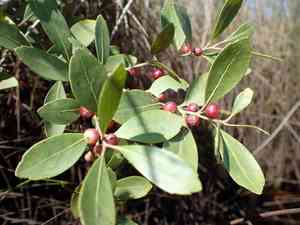
Inkberry, a adaptable evergreen shrub, is distinguished by its deep green, tough foliage and compact, spherical growth pattern. Perform pruning on inkberry in late winter prior to the emergence of new shoots, since it flowers on mature stems. Lightly trim to preserve its form and foster a denser appearance. Eliminate any lifeless or ailing branches to support the plant's well-being. Reducing density in congested sections enhances air movement, thereby diminishing the likelihood of fungal infections. Trimming revitalizes inkberry, improving its inherent structure and vitality.
What Are the Benefits of Pruning Inkberry?
What Are the Benefits of Pruning Inkberry?
Trimming inkberry promotes robust development and preserves its desired form. Consistent cutting helps maintain a compact structure and prevents excessive growth, which can diminish plant vigor.
What Is the Best Time for Pruning Inkberry?
What Is the Best Time for Pruning Inkberry?
Pruning inkberry during late winter is beneficial because the plant remains dormant, reducing stress and the chance of disease spread. This timing also allows gardeners to easily see the plant's structure without leaves, aiding effective shaping. Furthermore, as new growth starts in spring, it will quickly fill in cut areas, leading to a healthier and more attractive plant.
What Tools Do I Need to Prune Inkberry?
Hand Pruners
Perfect for precise trimming of inkberry, as they easily remove small branches and twigs, ensuring clean cuts without harming the plant.
Loppers
Inkberry can form dense thickets; loppers are essential for cutting thicker branches that hand pruners cannot handle, providing leverage for clean cuts on branches up to 1.5 inches thick.
Pruning Saw
For the most mature inkberry with its thickest branches, a pruning saw is necessary to cleanly cut branches over 1.5 inches in diameter without damaging the plant's overall structure.
Hedge Shears
To maintain a specific shape and dense foliage for inkberry, hedge shears are useful for shearing outer growth, which encourages new growth and denser foliage.
Gloves
Hand protection is required due to inkberry's potentially prickly leaves, ensuring safety during pruning.
How to Prune Inkberry
Step1: Assessment and Identification
Evaluate inkberry before pruning to pinpoint specific areas like dead branches, diseased leaves, and old wood needing attention. Do this in late winter or early spring before new growth starts.
Step2: Tool Sanitization
Disinfect pruning tools with a 10% bleach solution or rubbing alcohol to prevent the transmission of diseases.
Step3: Dead Branch Removal
Begin by removing any dead branches. Make cuts at a 45-degree angle approximately 1/4 inch above an outward-facing bud or branch. This angle helps water drain, reducing disease risk.
Step4: Diseased Foliage Disposal
Identify and carefully remove diseased leaves and any nearby debris. Dispose of them properly, away from the inkberry, to prevent re-infection.
Step5: Old Wood Rejuvenation
Prune old wood to revitalize the inkberry, making selective cuts to remove up to one-third of the oldest stems. Cut back to the plant's base to stimulate new growth.
Step6: Thinning for Air Circulation
Thin the inkberry to improve air circulation, cutting some of the denser, inner branches back to their origin point. Better air flow reduces the likelihood of disease.
Step7: Natural Shaping Technique
When shaping inkberry, aim for a natural, rounded form. Avoid excessive top cutting to prevent stimulating growth that creates an unnaturally dense canopy over thin lower branches.
Step8: Post-pruning Tool Cleaning
After pruning, clean the tools again using the same method as in Step 2 to avoid spreading any undetected diseases.
Step9: Mulch Application
Apply a layer of mulch around the base of inkberry to help retain soil moisture and provide nutrients as it breaks down. Keep the mulch a few inches from the trunk to prevent rot.
Step10: Post-pruning Monitoring
Monitor inkberry for signs of stress or ongoing disease issues after pruning and address them as needed to maintain a healthy plant.
Post-Pruning Care for Inkberry
Post-Pruning Care for Inkberry
Immediately after pruning inkberry, ensure the plant receives adequate water to minimize stress. Maintain a balance of sunlight and shade, as too much sun can be detrimental post-pruning. Keep the surrounding environment humid, with stable, moderate temperatures. Apply a balanced, slow-release fertilizer to support new growth. Regularly inspect inkberry for signs of stress, such as wilting or discoloration, and any infection symptoms, like spots on leaves. If issues arise, promptly treat with suitable fungicides or pest control measures.
Common Pruning Mistakes with Inkberry
Over-pruning causes stress and poor foliage
Pruning too aggressively, which can stress inkberry and lead to sparse foliage or poor shaping.
Dull tools lead to rough cuts and disease
Using dull or unclean pruning tools, which can make rough cuts that harm inkberry and increase susceptibility to disease.
Excessive old wood removal limits flowering
Removing too much old wood, which can limit inkberry's ability to produce flowers, as it may bloom on old growth.
Not thinning interior branches risks fungal issues
Not thinning out the interior branches, which can lead to poor air circulation and fungal issues within inkberry's dense foliage.
Improper cuts near main stem hinder healing
Cutting branches too close to the main stem, potentially removing the branch collar and impeding the inkberry's natural healing process.
Ignoring dead wood affects growth and health
Neglecting to remove dead, damaged, or diseased wood, which can hinder inkberry's growth and overall health.
Common Pruning Tips for Inkberry
Use sharp, clean tools for precise cuts
Always use sharp and clean pruning tools to make precise cuts on inkberry and to minimize the risk of disease.
Prune to maintain natural shape for healthy growth
Prune inkberry to maintain its natural rounded shape, rather than shearing into a formal hedge, as this can promote healthier growth.
Thin branches to boost air flow and reduce disease
Thin out inkberry's interior branches to improve air circulation and light penetration, which supports vigorous foliage and reduces the risk of disease.
Preserve new growth for flower production
Limit the amount of new growth removed during pruning to preserve inkberry's ability to produce flowers and berries.
Angle cuts above buds for direction and runoff
Cut branches at a slight angle just above an outward-facing bud to encourage inkberry to grow in a desirable direction and to facilitate water runoff.
Remove dead wood to maintain plant health
Regularly remove dead, damaged, or diseased wood from inkberry to maintain plant health and aesthetics.
Cut back to branches or buds for natural regrowth
When reducing height or width, cut back to a lateral branch or bud to promote seamless regrowth and maintain inkberry's natural appearance.



